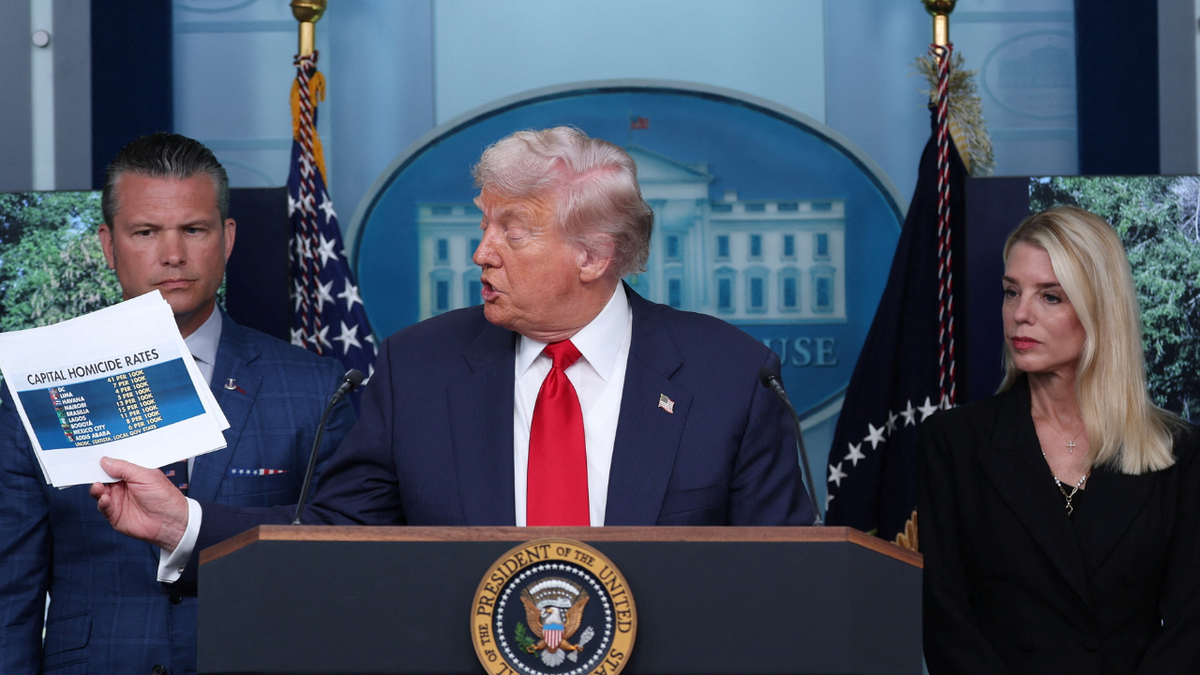
The fragile silence across the Persian Gulf is not a peace; it is a tactical pause. On Friday, President Donald Trump rejected Tehran’s latest overture to end a conflict that has already redefined global energy markets and pushed American executive power to its breaking point. Speaking from the South Lawn, Trump made it clear that the Iranian proposal, delivered through Pakistani mediators, failed to meet his baseline for a permanent settlement. "They’re asking for things I can’t agree to," he told reporters, signaling that the U.S. naval blockade will remain in place and the threat of "blasting the hell out of them" is back on the table.
The standoff centers on a fundamental disagreement over sequence and survival. Iran’s new offer reportedly suggests a simultaneous de-escalation: Tehran would reopen the Strait of Hormuz while the U.S. Navy stands down its blockade. Furthermore, the Iranian delegation signaled a willingness to put their nuclear program back on the negotiating table in exchange for immediate sanctions relief. To the White House, this looks like a stall tactic. To Tehran, it is the only way to prevent total economic collapse without total surrender.
The Arithmetic of Blockade and Brinkmanship
Since hostilities erupted on February 28, 2026, the global economy has been held hostage by a 21-mile-wide stretch of water. The closure of the Strait of Hormuz sent Brent crude screaming toward $130 a barrel, a shockwave that felt like a physical blow to Western consumers. Trump’s counter-move—a total naval blockade of Iranian ports—has been equally devastating. Inflation in Iran has reportedly surged past 50%, and the country is grappling with rolling blackouts and a scarcity of basic goods.
Trump’s rejection of the "simultaneous" approach is a calculated bet on the "Maximum Pressure 2.0" strategy. The administration’s logic is blunt: Why give up the leverage of the blockade for a promise of future nuclear talks? The White House wants the nuclear issue settled first, or at least concurrently with ironclad guarantees that can't be walked back once the tankers start moving again.
The War Powers Loophole
While the geopolitical chess match plays out in Islamabad and Muscat, a quieter constitutional crisis is unfolding in Washington. Friday marked the 60-day deadline under the War Powers Act of 1973, which theoretically requires a president to seek congressional authorization for ongoing hostilities.
The administration has bypassed this hurdle with a legal maneuver that has left constitutional scholars fuming. By declaring that the April 7 ceasefire "terminated" the initial hostilities, the White House argues the 60-day clock has effectively reset to zero. It is a bold, perhaps cynical, interpretation of the law. If the ceasefire is the end of one war, then any resumption of fire is a "new" engagement, granting the executive branch another two months of unilateral action.
A Fractured Leadership in Tehran
One of the more overlooked factors in this deadlock is the internal volatility within the Iranian regime. Trump pointedly noted that the Iranian leadership is "disjointed" and "not getting along with each other." This isn't just typical rhetoric.
In the wake of the initial U.S. strikes in February, the power balance in Tehran has shifted. The traditional diplomatic corps, led by Foreign Minister Abbas Araghchi, is trying to find a face-saving exit that restores the economy. Simultaneously, hardliners within the Islamic Revolutionary Guard Corps (IRGC) are digging in, literally. Intelligence reports suggest the IRGC is moving missile batteries into reinforced underground bunkers, preparing for a "short and powerful" wave of U.S. strikes they believe is inevitable.
This internal friction makes any proposal coming out of Tehran suspect. If the Supreme Leader cannot guarantee the IRGC will respect the terms of a maritime security framework, any deal signed in Pakistan is worthless.
The Nuclear Red Line
At the heart of the "Operation Epic Fury" campaign is the goal of permanent nuclear disarmament. Trump’s administration has moved the goalposts beyond the 2015 agreement. They are no longer looking for a "freeze" or a "pause." They are demanding a full dismantling of enrichment capabilities.
Iran’s latest proposal offered to discuss the nuclear program, but only after the economic pressure was lifted. This is the "things I can't agree to" that Trump referenced. The U.S. position is that the nuclear program is the source of the instability, not a bargaining chip to be traded for the right to sell oil.
The Military Contingency
The shadow of the "short and powerful" strike looms over every phone call. Defense Secretary Pete Hegseth and Central Command have reportedly briefed the President on a target list designed to "finish them forever"—a phrase that likely refers to the total destruction of Iran’s remaining nuclear infrastructure and its coastal defense network.
The U.S. has already spent an estimated $25 billion on this conflict. That figure does not include the cost of repairing bases in the region that were hit by Iranian drone and missile swarms in March. The appetite for a prolonged ground war is non-existent, but the appetite for a decisive, high-intensity air campaign is growing among the President's inner circle.
The Cost of the Status Quo
The current state of "no war, no peace" is unsustainable for both sides. For the U.S., the naval blockade is a massive drain on resources and a constant point of friction with allies like China, who are desperate for the Strait to reopen. For Iran, the status quo is a slow-motion collapse of the state itself.
Pakistan remains the primary channel for these talks, but the distance between the two sides isn't just measured in geography. It is measured in a fundamental lack of trust. Trump believes he can break the regime’s will through economic strangulation and the threat of overwhelming force. Tehran believes it can outlast the American political cycle by holding the world’s energy supply at knifepoint.
Neither side is currently incentivized to blink. The rejection of this latest proposal suggests that the ceasefire, while currently holding, is more of a reloading period than a ramp to peace. The "termination" of hostilities is a legal fiction; the reality is a region braced for the next explosion.
If the White House decides the reset clock is the only way to avoid a Congressional veto, the next phase of this war won't be fought with proposals. It will be fought with the munitions currently being moved into position across the Gulf.


