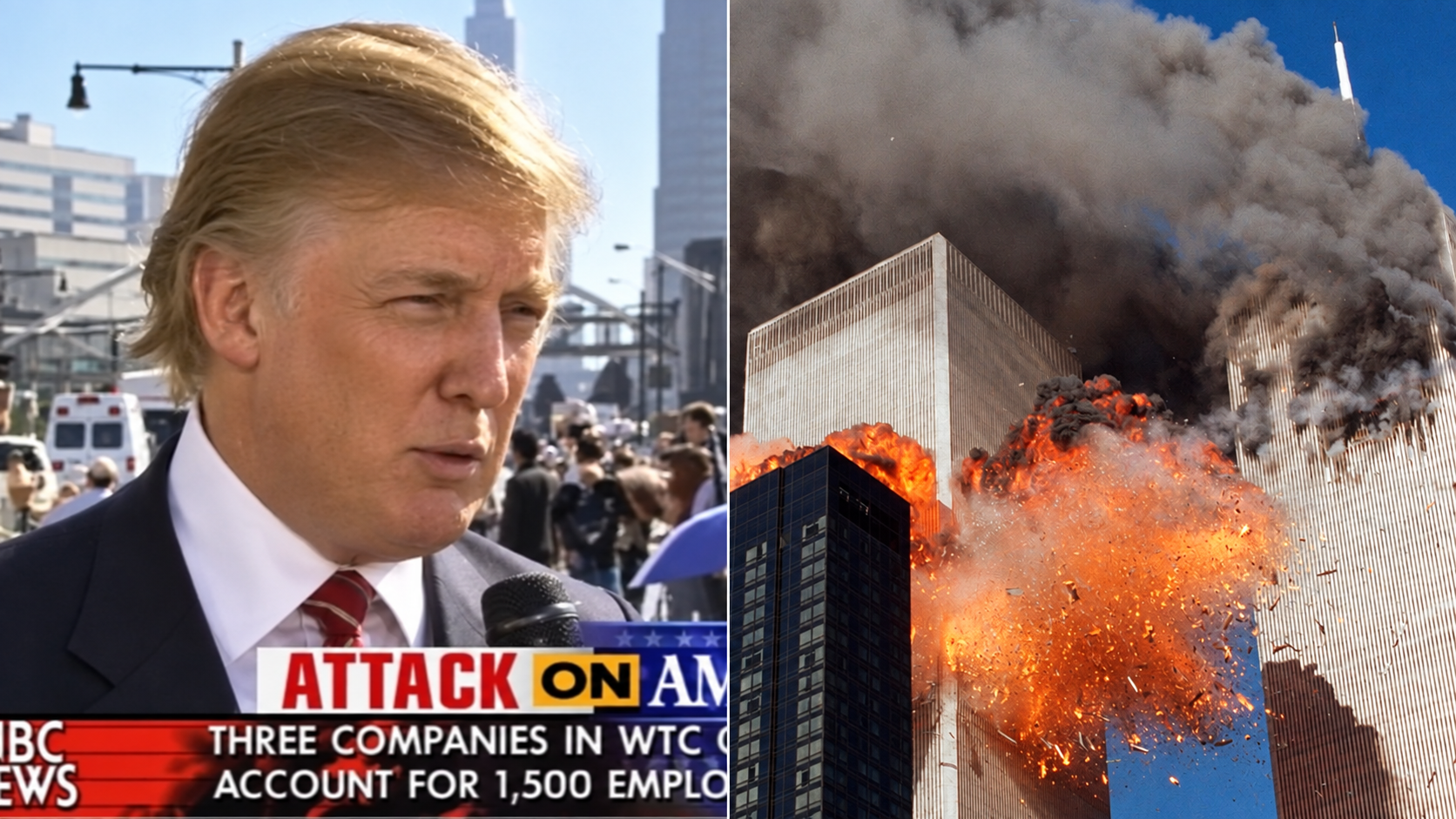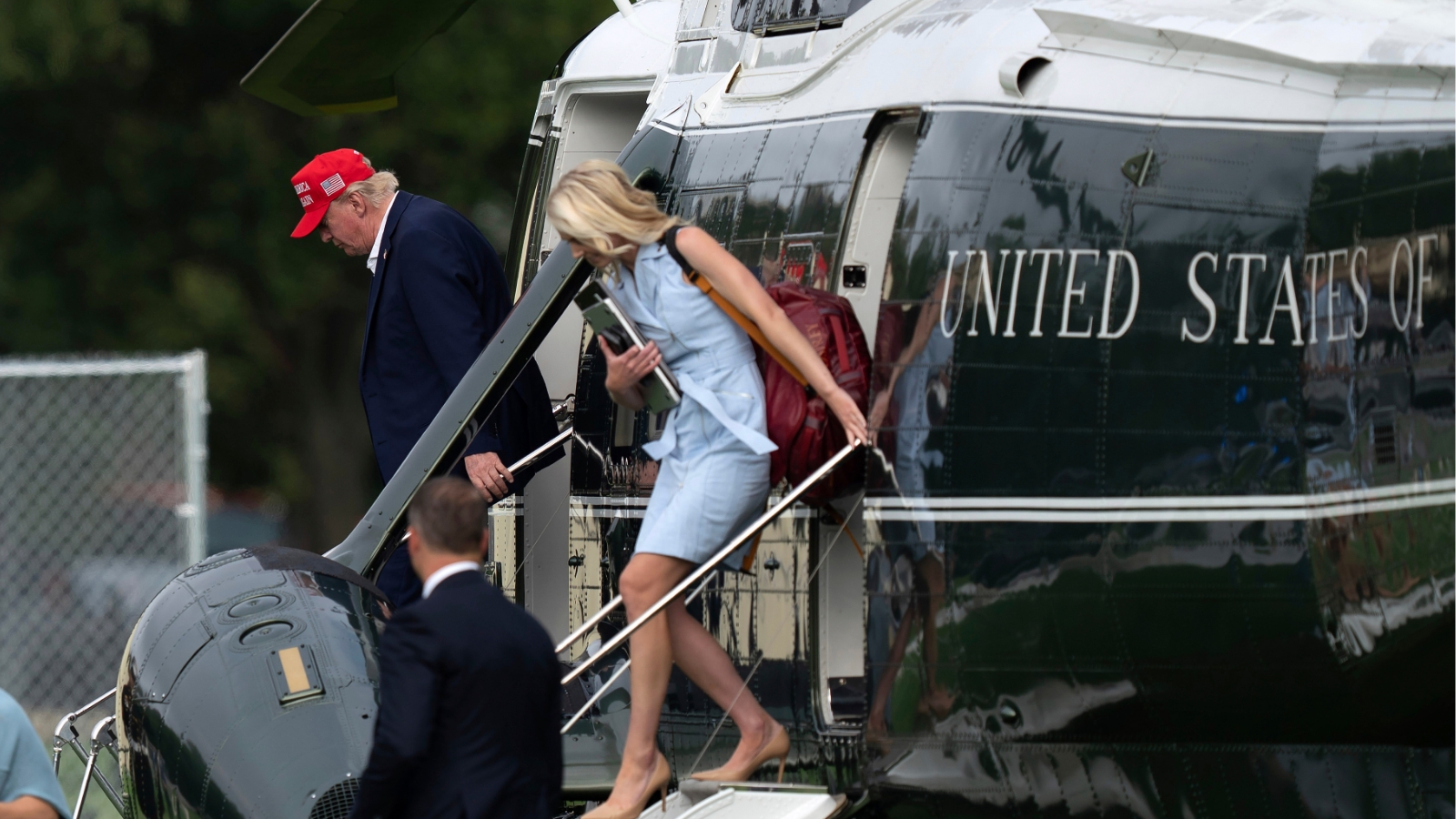
Twenty-five years after the towers fell, the architecture of national memory remains fragile enough to bend under the weight of political theater. During an address honoring emergency responders on the White House Ellipse, Donald Trump offered a startling revision of his September 11, 2001, experience. He told the crowd that two anonymous, powerfully built firefighters physically grabbed him under the arms near One Liberty Plaza, lifting him off the ground and running to safety as the skyscraper supposedly creaked toward a collapse.
It was a dramatic cinematic flourish added to a narrative that has expanded over decades. Fact-checkers immediately dismantled the claim, pointing out that historical records, fire department logs, and photographic evidence place Trump miles away in Midtown Manhattan on the day of the attacks. Yet the immediate cycle of condemnation and defense misses the larger journalistic imperative. The story is less about a provable historical falsehood and more about why certain figures compulsively mythologize their proximity to historic trauma.
To understand the mechanics of this recurring narrative, one must examine how Trump has historically framed his involvement in Lower Manhattan. In the immediate aftermath of the disaster, local media reports captured him near the periphery, giving brief interviews and noting that he had sent construction personnel to the site. Over the years, those early accounts transformed. The businessman who watched from afar evolved into a hands-on coordinator of recovery operations, and eventually, into a direct participant requiring emergency extraction by first responders.
Memory is notoriously malleable, especially under the pressure of public adulation and political grievance. When public figures recount personal histories under the harsh glare of modern media, details tend to migrate toward self-aggrandizement. The transition from a bystander observing structural damage to a protagonist being physically hoisted to safety by heroic firefighters represents a classic escalation of personal lore. Every time the story is retold to a sympathetic audience, the stakes grow higher, the obstacles become more perilous, and the teller occupies a more central position in the tragedy.
The reaction from veteran emergency personnel reveals a deep cultural divide over who owns the narrative of that day. Retired New York City Fire Department battalion chief Richard Alles noted that months of exhaustive recovery operations yielded no record or sighting of Trump orchestrating recovery crews or commanding a hundred workers on the pile. For the firefighters and police officers who spent weeks breathing toxic dust in the ruins, the unauthorized borrowing of harrowing survival tropes feels like an appropriation of collective sacrifice. The rescue of civilians from collapsing structures belongs strictly to the ledger of genuine terror and miraculous escape, not political anecdote.
When confronted with missing documentation, the standard defensive playbook activates. Representatives from the administration dismissed the journalistic scrutiny, framing the fact-checks as institutional hostility designed to diminish a patriotic tribute. This counter-strategy relies on an established erosion of public trust in legacy media. By casting the verification process as an partisan attack, the underlying factual discrepancies are washed away in a broader cultural grievance about who gets to define truth.
The enduring tragedy of September 11 lies not just in the lives lost or the structural steel melted, but in how seamlessly national grief can be repurposed for contemporary political positioning. When a historic tragedy becomes a stage prop, the specific facts of who stood where matter less than the emotional resonance of the performance. The firefighters who actually carried people out of the collapsing towers left behind a legacy written in blood and exhaustion, requiring no retrospective embellishment to secure their place in history.