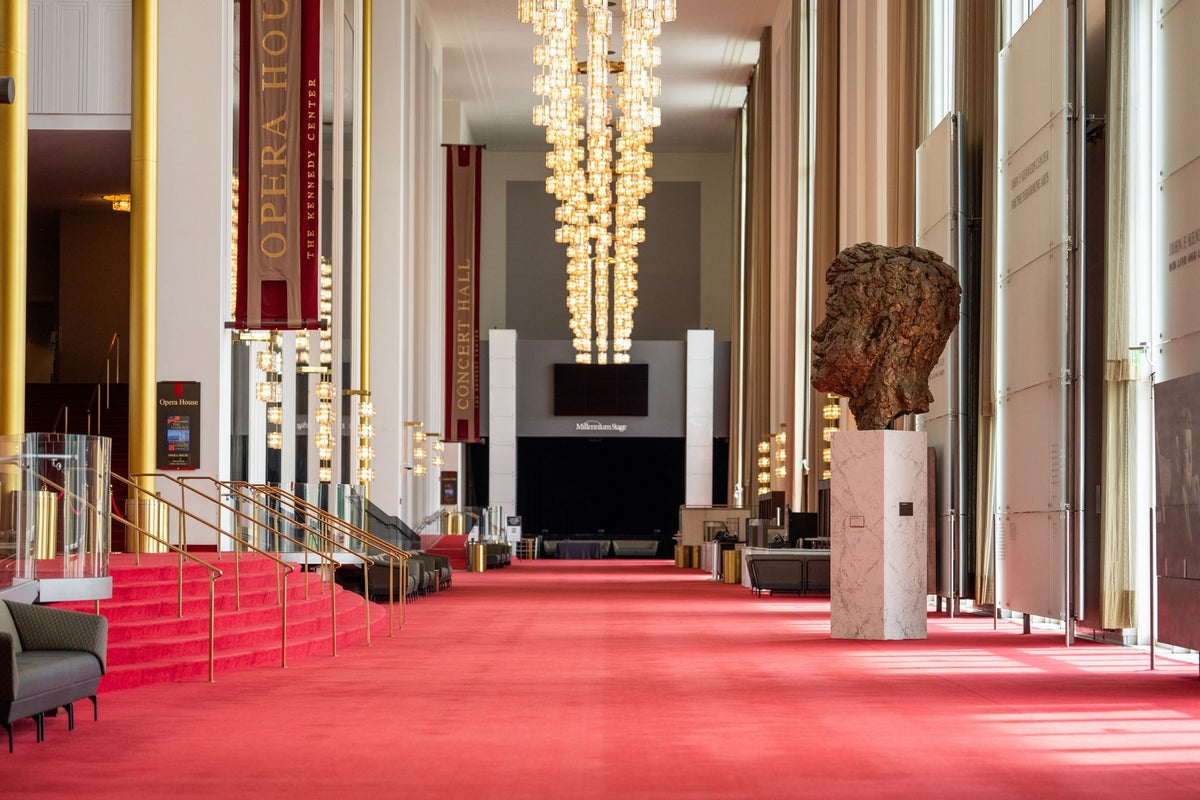
The federal injunction blocking the two-year closure of the Kennedy Center for the Performing Arts exposes a critical vulnerability in institutional operations: a legal mandate to remain open does not automatically restore a shattered operational pipeline. While management has technically complied with the court order by keeping its physical doors open after July 5, 2026, the stages remain dark. This operational state illustrates the disconnect between legal compliance and the structural realities of live entertainment economics. The venue is caught in a self-inflicted bottleneck where fixed overhead persists, but programmatic revenue has been systematically eliminated.
Deconstructing this gridlock requires evaluating three distinct operational mechanisms that prevent an immediate resumption of activities.
The Lead Time Dynamic in High-Value Programming
Live entertainment inventory cannot be manufactured on short notice. Large-scale theatrical runs, touring Broadway productions, and international ballet companies operate on a strict booking horizon ranging from 12 to 24 months.
When the institution’s leadership approved a full two-year shutdown in March 2026, they systematically cleared the booking ledger. Reversing that choice is not an administrative toggle. The current programming void is a structural reality governed by two core supply-chain friction points.
- Tour Route Sequencing: Touring productions optimize profitability by chaining geographic appearances to minimize transportation costs. Once the Washington, D.C., anchor was removed from regional tour maps earlier this year, booking agents routed productions to competing regional venues. The institution cannot simply reclaim these dates because the supply chain has reconfigured around its absence.
- Capital Risk Mitigation: Producers require significant lead times to raise capital, coordinate rehearsals, and secure talent contracts. With the venue's operational future subject to ongoing litigation and shifting board policies, external stakeholders face high counterparty risk. Industry agents are unwilling to commit high-value intellectual property to a venue with unstable operational continuity.
The Cost Function of Programmatic Dormancy
Maintaining an open building with minimal programming creates severe structural inefficiencies. The institution is currently running an operational model that isolates fixed maintenance costs from variable performance income. This operational imbalance operates under an upside-down fiscal framework.
The facility must continue to fund baseline building systems, climate control for preservation standards, security, and administrative compliance. These fixed costs are sticky and cannot be scaled down. Meanwhile, variable revenue streams—primarily ticket sales, parking fees, concessions, and merchandise commissions—have dropped to near zero.
The current schedule relies on minimal-cost alternatives such as outdoor film screenings and youth music workshops. While these activities satisfy the literal definition of public access under the preliminary injunction, they generate negligible cash inflow. The financial deficit is further worsened by the ongoing contract status of the resident National Symphony Orchestra. The orchestra represents a massive fixed labor cost that remains unextended and unapproved for a new season budget, freezing the institution's most accessible programming asset.
Labor Depreciation and Organizational Capital
An arts institution relies heavily on specialized labor capital, including lighting designers, stage managers, audio engineers, and artistic curators. The aggressive staff reductions executed in anticipation of the July 2026 closure destroyed this institutional knowledge base.
A performing arts venue cannot scale production quality without an established operational infrastructure. The talent drain creates a clear operational constraint: even if a major production became available immediately, the venue lacks the internal technical staff to safely and efficiently execute the staging, rigging, and logistical coordination. Re-hiring and training qualified production personnel introduces an additional lag of several months, compounding the delays dictated by the booking cycle.
The Strategic Options Ahead
Management plans to present three distinct structural paths to the board of trustees in mid-July 2026. Each path carries specific economic tradeoffs.
The first option is a full shutdown, which remains management's preferred operational route for physical infrastructure optimization but faces immense legal friction. The second option involves a partial closure, isolating specific zones for capital repairs while maintaining constrained public access in unaffected spaces. The third option utilizes a highly structured, phased renovation model that performs critical infrastructure stabilization overnight or during off-peak windows while aggressively rebuilding a full performance calendar.
The institution's survival depends on choosing the third path. To resolve the current gridlock, leadership must immediately decouple its infrastructure decisions from its programming strategy. The executive team must authorize emergency funding to stabilize the National Symphony Orchestra's budget, allowing the venue to utilize its internal resident talent to fill the empty stages immediately without relying on external touring schedules.
Furthermore, management must establish an escrow-backed performance guarantee program to offset the counterparty risk perceived by external booking agents. By legally guaranteeing financial payouts to external production companies if further judicial actions interrupt operations, the institution can begin rebuilding its 2027 and 2028 booking pipeline. Remaining open in prose while staying dark in practice will ultimately bankrupt the institution's brand equity and donor base long before the renovations can even begin.