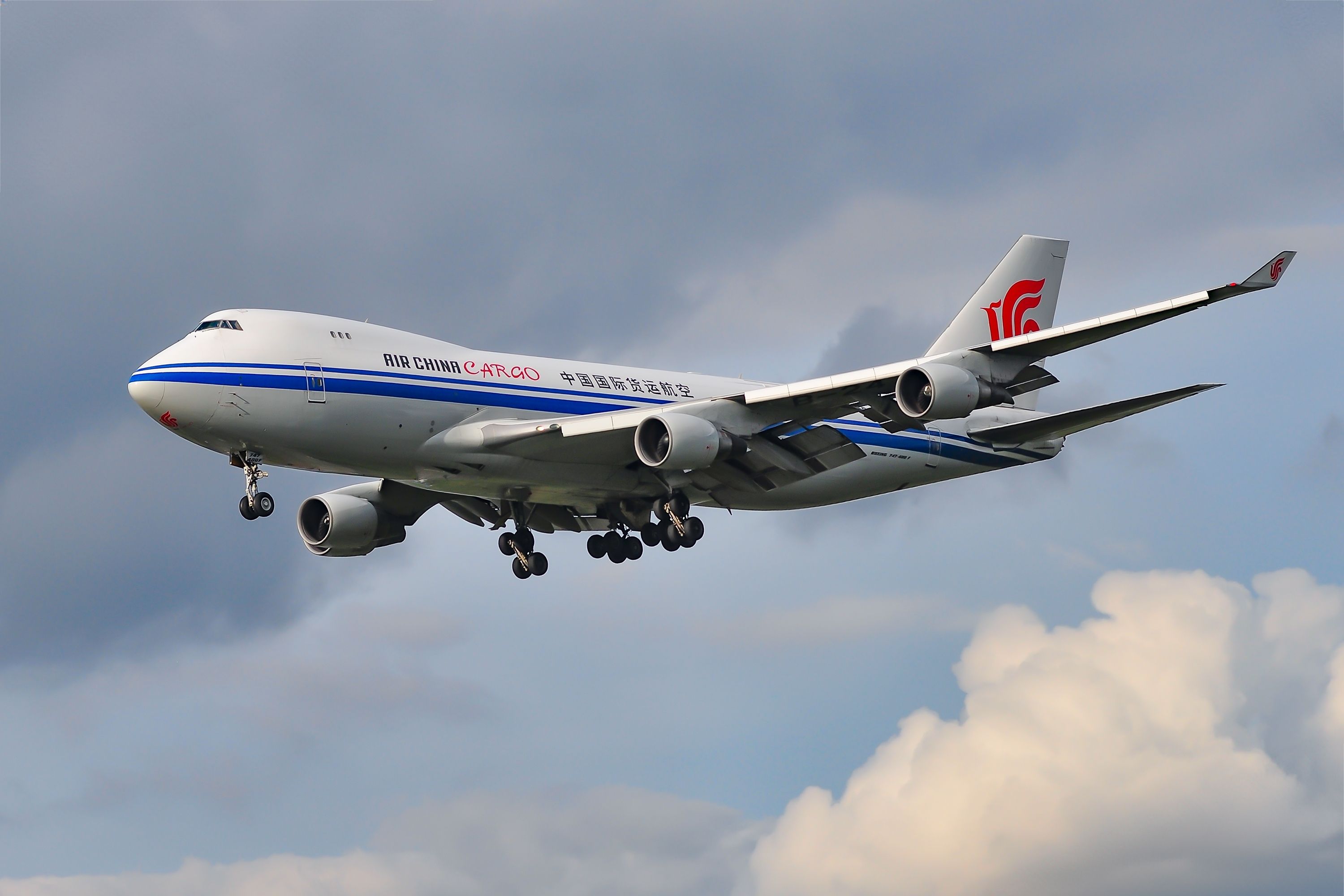
Air China is finally back on the Beijing-Delhi route, and honestly, it’s about time. If you’ve tried to fly between these two capitals lately, you know the drill: soul-crushing layovers in Bangkok, Singapore, or Hong Kong that turn a six-hour hop into a fifteen-hour marathon. The Chinese Embassy just confirmed that direct services are resuming, but don’t mistake this for just another airline schedule update. This isn't just about saving a few hours of transit time; it’s a massive signal that the deep freeze in India-China relations is starting to thaw in ways that actually matter for your wallet and your travel plans.
The Long Road Back to Direct Skies
It’s been a rough four years. Between the pandemic and the 2020 border tensions in Galwan, direct flights basically became a myth. We saw a brief flicker of hope in late 2025 when a few routes like Kolkata to Guangzhou and Shanghai to Delhi started showing up on departure boards again. But the Beijing-Delhi leg is the big one. It’s the political and commercial heartbeat of the bilateral relationship.
The Chinese Embassy spokesperson, Yu Jing, didn't hold back on X, calling the move a "big green light" for cooperation. When diplomats start using words like "Trust" and "Trade" in the same sentence as "Air China," they aren’t just talking about seat capacity. They’re telling us that the patrolling agreements reached back in October 2024 at the Line of Actual Control (LAC) are finally translating into real-world mobility.
Why Your Flight Options are About to Explode
If you’re a frequent flyer, you’ve probably noticed that ticket prices for indirect routes have been astronomical. Lack of competition does that. Now, the floodgates are opening. Air China isn't the only player hitting the tarmac.
IndiGo is already aggressively moving into the space with plans for New Delhi to Shanghai and their existing Kolkata-Guangzhou daily runs. Air India also threw its hat back in the ring, restarting the Delhi-Shanghai route this February after a six-year hiatus.
What does this mean for you?
- Lower Fares: More direct seats mean the middleman airlines in Southeast Asia lose their leverage.
- Better Timing: No more 3:00 AM layovers in Changi or Suvarnabhumi.
- Business Velocity: For tech and manufacturing pros, being able to do a site visit in Beijing and be back in Delhi within 48 hours changes the math on supply chain management.
It is More Than Just Tourism
Let's be real—the "Trade, Tourism, Trust" slogan sounds catchy, but the trade part is the heavy lifter here. India’s trade deficit with China recently crossed the $100 billion mark. While that sounds like a scary number, the reality on the ground is that Indian manufacturers are desperate for cost-effective raw materials and high-tech components.
Direct flights facilitate the "people-to-people" exchange that actually closes deals. You can’t negotiate a complex joint venture over a choppy Zoom call as effectively as you can over a meal in Sanlitun or Connaught Place. With the Indian government recently recalibrating FDI rules to allow easier minority ownership for companies from land-bordering nations, the timing of these flights is suspiciously perfect. It’s a coordinated effort to get the gears of the Asian economy grinding again.
The Logistics You Need to Know
If you're planning to book, keep in mind that "resumed" doesn't always mean "daily" right out of the gate. Initial schedules for these restored routes often start at three times a week before scaling up based on demand.
- Check the Terminal: In Delhi, most of these international flags operate out of Terminal 3, but always double-check your booking as carriers shuffle slots.
- Visa Processing: While flights are back, visa rules haven't fully reverted to the pre-2020 "easy mode." Give yourself an extra two weeks for processing.
- Connecting Flights: Beijing Capital International (PEK) is a massive hub. If you're heading to Japan or Korea, using the Beijing-Delhi direct link as a leg can often be cheaper than traditional routes.
What This Says About the Future
Some people think this is just a temporary patch-up. I disagree. The "calibration" we're seeing in 2026 feels more permanent. Both nations are staring down a volatile global trade environment—thanks to shifting US tariffs—and they've realized they need each other as a hedge.
When you see Air China’s tail fin at IGI Airport, you’re looking at a $100 billion trade relationship getting its wings back. It’s a practical, unsentimental move by two giants who’ve decided that being able to talk (and fly) is better than the alternative.
If you’re looking to travel, start monitoring the booking apps now. The "early bird" phase of these resumed routes usually features introductory pricing that won't last once the corporate travel departments get their hands on the inventory. Check Air China’s official site alongside IndiGo’s new Shanghai schedules to find the best overlap for your next trip.


