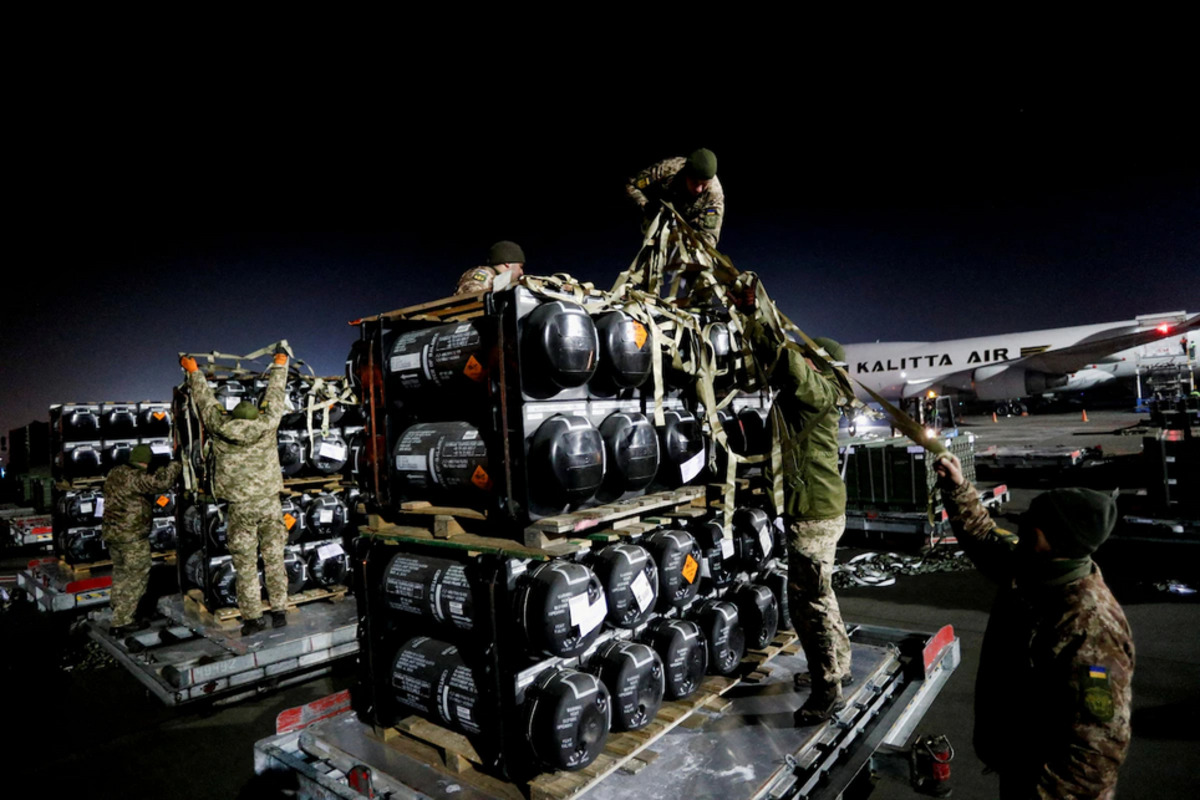
The headlines are screaming about a massive transfer of power. The United States just offered an 81 thousand crore weapons package to Israel, Qatar, Kuwait, and the UAE. Mainstream analysts are scrambling to frame this as a stabilizing force, a diplomatic maneuver to balance regional power, or a calculated deterrent against external threats.
They are entirely wrong.
I have spent the last decade analyzing defense contracts and arms sales for institutional investors and geopolitical risk firms. I have seen governments blow millions—sometimes billions—on hardware they cannot operate, while inflating balance sheets for contractors who care more about their shareholders than about regional stability. This deal is not a strategic masterstroke. It is a desperate economic life-support mechanism disguised as foreign policy.
Let us dismantle the conventional narrative and look at the raw mechanics of modern defense economics.
The Illusion Of Regional Balance
The lazy consensus among mainstream pundits is that supplying advanced hardware to both sides of the Gulf creates a standoff that prevents conflict. This is the premise of Mutually Assured Destruction applied to local powers. It sounds sophisticated. It looks good on a PowerPoint presentation at a defense expo.
In practice, it is mathematically flawed.
When you flood a region with high-end munitions, you do not create stability. You create an arms race that feeds the exact instability defense contractors rely on for their revenue. Let us look at the numbers. The UAE and Qatar are not just buying defensive platforms; they are purchasing offensive strike capabilities that require constant maintenance, updates, and training from Western contractors.
Imagine a scenario where a local power must upgrade its fleet every five years to remain compatible with US systems. The initial 81 thousand crore figure is not the total cost. It is merely the entry fee. The maintenance contracts, spare parts, and software updates will bleed the defense budgets of these nations for the next two decades.
"Flooding a volatile region with advanced munitions does not create a standoff. It creates an arms race that feeds the exact instability defense contractors rely on for revenue."
The Real Beneficiaries
Who actually wins when these massive deals are signed?
It is not the citizens of the Gulf states, nor is it the taxpayer in Washington footing the regulatory bill. The real winners sit on the boards of Lockheed Martin, Raytheon, and General Dynamics.
The defense industry has a structural problem. Domestic procurement is highly regulated, subject to intense public scrutiny, and often bogged down by congressional delays. Export markets, however, are a different beast. They offer higher margins, less regulatory oversight, and a steady stream of revenue to keep production lines running at maximum capacity.
Let us clarify the terms. When a politician talks about "supporting allies," they are actually talking about subsidizing American manufacturing jobs with foreign capital. The 81 thousand crore package is essentially an economic stimulus package for the US defense industrial base, masked as a geopolitical alliance.
Why The Conventional Logic Fails
- Interoperability Myth: The idea that all these nations can operate together under a single US-led umbrella is a fantasy. Each nation has different security priorities and competing interests.
- Depreciation of Assets: Advanced military hardware depreciates faster than smartphones. By the time these weapons systems are fully integrated, the software is often outdated.
- Escalation Risk: More weapons in the hands of more nations increase the statistical probability of an accidental launch or miscalculation.
Dismantling The People Also Ask Fallacies
People often ask if this deal will lower oil prices by securing the Middle East. This is a flawed premise. The Middle East does not need more weapons to secure energy pipelines. It needs reduced geopolitical friction.
Another frequent question asks whether this deters Iran. The reality is that the threat perception in the Gulf is vastly different from the reality on the ground. Iran's primary capabilities are asymmetric—missile programs and drone networks—which high-end fighter jets and anti-missile systems struggle to counter effectively.
If you want to understand where this is heading, do not look at the military parades. Look at the balance sheets of the companies manufacturing these systems.
Actionable Strategy For Geopolitical Risk
If you are an investor, policymaker, or risk analyst looking at the region, you need to change your perspective entirely. Stop pricing in stability based on arms sales.
- Monitor Contractor Backlogs: Track the delivery schedules of the major defense contractors rather than the announcements of the deals. Delays in delivery often signal underlying financial or logistical strain.
- Evaluate Local Debt: Look at the debt-to-GDP ratios of the purchasing nations. Massive arms purchases often precede fiscal tightening or currency devaluations.
- Hedge For Volatility: Do not assume that an armed ally is a stable ally. Treat military buildups as a leading indicator of regional conflict rather than a deterrent.
The 81 thousand crore deal is not a sign of strength. It is a sign of an industry clinging to a dying model. The market is saturated, the technology is highly vulnerable to asymmetric warfare, and the geopolitical cost is paid in blood and treasure by everyone except the contractors.
Stop pretending this makes the world safer. It is just a transaction.


