The British government just hit a grim milestone. As of today, March 17, 2026, 100,000 UK nationals have been flown out of the Middle East since the current conflict with Iran exploded on February 28. If you’re thinking this sounds like one of the largest peacetime evacuations in British history, you’re right. It’s massive. It dwarfs the 2021 Kabul airlift and has turned hubs like Dubai and Muscat into staging grounds for a desperate race against time.
Foreign Secretary Yvette Cooper confirmed the figure in a statement to Parliament, making it clear that the operation isn't over. With roughly 300,000 British citizens originally estimated to be in the Gulf region when the missiles started flying, there's still a huge number of people waiting for a way out. Meanwhile, you can explore other stories here: The Calculated Silence Behind the June Strikes on Iran.
The chaos of closed skies
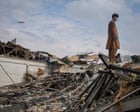
The problem isn't just the sheer number of people. It’s the geography. When the US and Israel launched Operation Epic Fury—the strikes that killed Supreme Leader Ali Khamenei—Iran didn't just sit back. They unleashed a barrage of over 3,000 drones and 900 missiles across 13 countries. Suddenly, places that felt like safe, luxury holiday spots or stable expat hubs became targets.
Airspace across the Gulf hasn't been this unpredictable in decades. Major airports in Dubai, Abu Dhabi, and Doha have faced rolling closures. If you were a transit passenger at Heathrow or Dubai when this kicked off, you likely found yourself sleeping on a terminal floor or scrambling for a hotel room that wasn't there. To understand the complete picture, check out the detailed report by Associated Press.
The Foreign Office (FCDO) had to get creative. They’ve been running a registration scheme where 102,000 people signed up almost overnight. It's the only way the government can actually track who is where and who needs the most help.
How the evacuation actually works
Don't picture a line of military C-130s for everyone. While the RAF is very much involved—Typhoons and F-35s are literally shooting down drones over Jordan and Iraq to keep the corridors open—the "airlift" for civilians is a mix of commercial muscle and government charters.
- Rapid Deployment Teams: The UK sent specialized teams to Muscat and Dubai to work directly with airlines. They’re the ones on the ground triaging the most vulnerable.
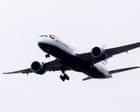
- Chartered Flights: When British Airways or Virgin Atlantic couldn't fly their usual routes, the government stepped in to charter extra planes, primarily out of Oman and the UAE.
- The Cyprus Connection: RAF Akrotiri on Cyprus has become the nerve center. Even after an Iranian "Shahed" drone struck the runway there on March 1, the base remained operational. It’s the primary jumping-off point for British military assets and a safe haven for evacuated families of service members.
I've seen some people online grumbling about "tax exiles" in Dubai getting a free ride home. Honestly, that’s a bit of a reach. Most of the people being moved are families on holiday, business travelers, or people who have lived and worked in the region for years and suddenly found themselves in a war zone. The government’s priority is simple: get them out before the Strait of Hormuz or the major airports become completely inaccessible.
Why the UK is playing defense
You might wonder why Keir Starmer didn't join the initial US strikes. It’s been a point of massive friction with Donald Trump, who famously mocked Starmer’s caution. But the UK’s stance has been tactical. By refusing to join the "offensive" part of the war, the British government hoped to keep its citizens in the Gulf from becoming even bigger targets.
It didn't entirely work. Iran has still targeted infrastructure near British interests, including a strike within 200 meters of UK personnel in Bahrain. But by focusing on "defensive" operations—basically acting as a high-tech shield—the RAF has been able to keep some semblance of a flight path open for these 100,000 people to get home.
What you need to do if you’re still there
If you’re one of the 200,000 Britons still in the region, the situation is delicate. The Foreign Office advice is changing by the hour. Here’s the reality on the ground right now:
- Register immediately: If you haven't put your name on the FCDO list, do it now. They can’t help you if they don't know you exist.
- Shelter in place: Unless you have a confirmed seat on a flight, don't just head to the airport. Many facilities are operating on skeleton crews or are closed to the public.
- Check your insurance: Standard travel insurance is notoriously finicky during a war. Most policies won't cover you if you traveled after the "Do Not Travel" warnings were issued.
The conflict shows no signs of a quick resolution. With Lebanon now heavily impacted and one in seven Lebanese civilians displaced, the humanitarian crisis is broadening. The UK has already pledged an extra £5 million in aid, but that’s a drop in the ocean compared to the logistics of moving another 100,000 people.
Keep your passport ready and your phone charged. If you’re in Bahrain, Kuwait, Qatar, or the UAE, monitor the official FCDO travel advice daily. Your best bet is to stay in touch with your airline and wait for the "go" signal from the rapid deployment teams. The goal is to get home, not to get stuck in a terminal during a missile alert.