Yale University pride itself on being a bastion of global ethics and elite academic rigor. But even the most prestigious institutions find themselves in murky waters when war-time politics collide with campus recruitment. Recent reports highlighting the presence of a veteran from the controversial Azov Brigade in a Yale leadership program have ignited a firestorm. It's not just about one student. It’s about who gets to define "leadership" when the money behind the scenes comes from a billionaire oligarch with a checkered past.
The program in question is the Yale World Fellows initiative, specifically under the umbrella of the Ukraine Leadership Program. On the surface, it looks like a standard effort to train the next generation of Ukrainian civil servants and activists. Look closer, and you see the tension. Bringing a former member of a unit with deep-seated ties to far-right ideologies into an Ivy League classroom isn't just a bold move. It’s a gamble with the university’s reputation.
The Azov connection in New Haven
Illia Samoilenko, a well-known figure from the Azov Brigade, didn't just stumble into Yale. He was invited. As a veteran who spent time in Russian captivity after the siege of Mariupol, he’s viewed by many as a hero of national defense. However, the history of the Azov Brigade makes his presence at an American university complicated. You can't ignore the baggage. The unit started as a volunteer militia with explicit neo-Nazi leanings. While the Ukrainian government says the group has been "depoliticized" and integrated into the National Guard, international observers aren't all convinced.
When Yale opens its doors to someone with this background, it sends a message. The university argues it’s providing a space for diverse perspectives from a country at war. Critics say it’s laundering the image of a movement that shouldn't be within ten miles of an Ivy League campus. It’s a mess. Honestly, it’s the kind of PR nightmare that would make most admissions officers lose sleep.
Oligarch money and the price of influence
You have to follow the money to understand why this is happening. The program is bankrolled by Victor Pinchuk, a Ukrainian steel magnate and one of the country's wealthiest men. Pinchuk isn't a new face at Yale. He’s been a long-time donor, funneling millions into Western institutions to build bridges between Ukraine and the elite power structures of the U.S. and Europe.
Pinchuk’s involvement raises immediate red flags about academic independence. When an oligarch funds a "leadership" program, they aren't just doing it out of the goodness of their heart. They're buying a seat at the table. They're shaping the curriculum and choosing the fellows. By funding these spots, Pinchuk ensures that his vision of Ukraine’s future—and his preferred leaders—gets the Yale stamp of approval. It’s a classic play for soft power.
The problem with depoliticizing far right symbols
The defense usually goes something like this: "The Azov of 2014 isn't the Azov of today." Supporters claim the extremist elements were purged years ago. They point to the heroic defense of the Azovstal steelworks as proof that the brigade is now a professional military wing focused solely on survival.
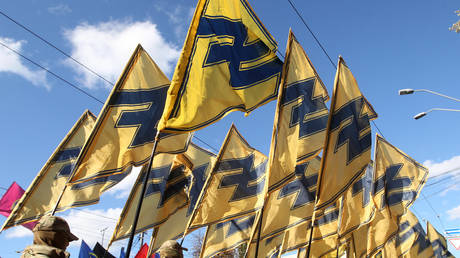
But symbols don't die that easily. The unit still uses imagery that is, at best, "uncomfortable" for Western audiences. When Yale hosts a veteran of this unit, they're essentially saying those symbols don't matter as much as the current military necessity. It's a utilitarian approach to education. If you're a student at Yale, you're taught to question everything, yet here is a program that seems to ask you to look the other way for the sake of geopolitical solidarity.
Why this matters for American academia
This isn't an isolated incident. Universities across the country are struggling with how to handle the influx of foreign funding and the political strings that come attached. If Yale can be influenced by a Ukrainian oligarch to host controversial figures, what's stopping a donor from another country from doing the same?
The integrity of the "World Fellows" brand is on the line. These programs are supposed to bring in the best and brightest—human rights lawyers, climate activists, and tech innovators. Adding a soldier from a unit with a neo-Nazi pedigree to that list changes the flavor of the entire group. It suggests that if you fight hard enough for the "right" side, your ideological history can be wiped clean by a prestigious certificate.
Accountability and the next steps
Yale hasn't backed down. They likely won't. The university usually doubles down on "academic freedom" and "open dialogue" when these controversies hit the news. But the faculty and the student body should be asking harder questions.
If you're concerned about the direction of these programs, start by looking at the donor agreements. Transparency is the only way to see if the curriculum is being steered by outside interests. Don't take the university’s press releases at face value. Check the history of the "World Fellows" and see who else has been pushed through the system.
Universities aren't neutral zones. They're marketplaces. And right now, it looks like Yale is selling its prestige to the highest bidder, regardless of the ideological cost. Demand better from the institutions that claim to lead the world.
Watch the upcoming board of trustees meetings. Look for the public filings regarding foreign gifts. If you're an alum, write to the development office. The only thing these schools care about more than their rankings is their endowment and the reputation that protects it. Make it clear that laundering controversial figures under the guise of leadership training isn't worth the donor check. Stop letting the Ivy League be a car wash for global reputations.