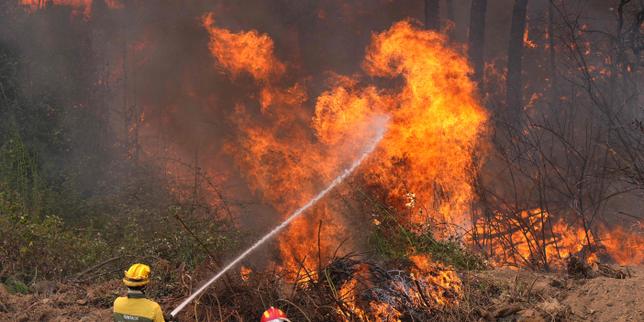
Flames don't care about municipal boundaries. When the destructive wildfires tore through the western outskirts of Madrid, they exposed terrifying vulnerabilities in how modern European cities handle sudden rural-urban fringe fires. Pictures and footage broadcasted across global networks showed smoke choking major commuter arteries, orange skies casting an apocalyptic glow over residential developments, and exhausted firefighters battling walls of intense heat just miles from densely populated neighborhoods.
You've probably seen the dramatic photos. But those striking snapshots miss the structural reality of what went wrong on the ground.
The Reality of Wildland Urban Interfaces
Wildland urban interfaces represent the ultimate modern planning nightmare. When cities sprawl outward into dry pine forests and scrubland, they create a ticking clock. Western Madrid sits right on the edge of massive natural terrain zones that bake under intense summer heatwaves.
Dry vegetation combined with erratic winds creates an unpredictable beast. When a spark catches, it moves fast.
Let's look at the actual mechanics of what happened during the Madrid-area blazes. Emergency services faced rapid crown fires that jumped natural firebreaks and suburban roads with ease. Wind speeds frequently exceeded 40 kilometers per hour, pushing embers hundreds of meters ahead of the main front. This isn't just a local Spanish issue. It's a blueprint for what's happening globally as climate patterns shift.
Urban planners often assume concrete blocks and paved driveways will stop a wildfire. They won't. Radiant heat alone can shatter double-paned windows and ignite patio furniture long before the actual flames touch a house.
Why Traditional Firefighting Falls Short
For decades, response playbooks relied on heavy air tankers and ground crews flooding the sector. That strategy works fine in remote forests. It fails miserably when houses, cars, and power lines enter the mix.
Firefighters in western Madrid had to constantly pivot between protecting human lives, evacuating panicked neighborhoods, and attempting to flank a massive fire front. Resources stretch thin immediately.
- Water supplies drop as thousands of residents simultaneously run taps to wet their roofs.
- Narrow suburban streets trap evacuation traffic, turning escape routes into parking lots.
- Downed power lines spark secondary ignition points faster than crews can contain them.
These aren't hypothetical problems. They happened in real-time, broadcasted live to millions of screens. If you live anywhere near a brush-heavy suburban border, these images should make you deeply uncomfortable.
What Actually Works When the Smoke Clears
Rethinking defense starts long before a fire ever ignites. Communities clinging to natural greenbelts need strict defensible space mandates. That means clearing dead brush, choosing fire-resistant building materials like metal roofing and stucco, and burying overhead power lines.
Waiting for the smoke to appear on the horizon means you've already lost.
Local authorities in the region are currently forced to rethink zoning laws. Sprawl can no longer push blindly into high-risk wildfire zones without massive infrastructure upgrades. Smart cities integrate automated sprinkler grids, high-capacity water reservoirs dedicated solely to emergency services, and AI-driven smoke detection cameras that catch flare-ups within seconds rather than minutes.
Check your own local risk profile today. Clear the dry leaves from your gutters, create a defensible zone around your property, and have a hard evacuation bag packed. The images coming out of western Madrid serve as a stark warning to anyone ignoring the changing reality of our environment.