The Trump administration just rolled out what Treasury Secretary Scott Bessent labeled an "economic D-Day" against Tehran. It sounds aggressive. Nearly sixty entities, individuals, and vessels across sectors like shipping, gold, aviation, and digital assets got hit with fresh U.S. Treasury restrictions. Yet, beneath the martial rhetoric, reality looks a bit different. Washington held back on the most lethal financial weapon available: targeting major foreign banks, specifically those in China.
If you look past the headlines, you will see an administration trying to thread a very narrow needle. They want to choke off Iran's remaining revenue streams without triggering a broader economic shock or angering Beijing right before crucial diplomatic summits. But can a warning shot really do the work of a full blockade? Let's break down what is actually happening behind the scenes. For a different view, see: this related article.
Mapping the Financial Shadow Networks
The core objective of this latest push is straightforward. Washington wants to sever every single economic lifeline keeping the Iranian regime afloat. Months into a grinding conflict that has battered regional shipping and pushed energy prices upward, the White House is desperate to force Tehran back to the negotiating table.
To do this, the Treasury Department claims it has mapped out every node, facilitator, and shadow-fleet vessel used to evade restrictions. Companies operating through places like Hong Kong, the United Arab Emirates, and Singapore found themselves directly in the crosshairs. Similar insight regarding this has been provided by NPR.
- Nearly 60 targets added to the sanctions list.
- Five key economic sectors placed on notice: digital assets, technology, gold, aviation, and shipping.
- Direct diplomatic outreach launched to pressure foreign capitals into compliance.
Treasury officials insisted during their briefing that no nation is above the reach of American secondary sanctions. But when reporters pressed for specifics on a hard deadline or immediate penalties for non-compliant countries, the answers turned fuzzy.
The China Factor and Why Washington Blinked
China remains the elephant in the room. For years, Beijing has stood as the primary buyer of Iranian crude oil. Even though an active U.S. naval blockade has severely crimped those physical oil flows in recent weeks, the financial channels supporting the trade have largely escaped direct, sweeping designations.
Why did the Treasury stop short of sanctioning major Chinese financial institutions? Economics and timing. President Donald Trump faces a delicate summit with Chinese President Xi Jinping. Slamming major Chinese banks with secondary penalties could blow up those upcoming talks and invite immediate retaliation, particularly regarding critical mineral exports that American industries desperately need.
Max Meizlish, a former Treasury official tracking these developments, pointed out that previous attempts to shame or pressure Beijing and other regional partners have frequently fallen flat. Without punishing the financial institutions actually clearing the transactions, threats begin to sound hollow. Beijing's foreign ministry wasted no time pushing back, noting publicly that pressure tactics do not help and that China will take necessary steps to protect its own commercial interests.
Living in a Survival Economy
Iran is not a newcomer to this playbook. Decades of isolation have forced Tehran to construct a resilient "survival economy" engineered to absorb external shocks. Iranian officials were quick to dismiss the new American announcements as empty theater. Iranian Deputy Foreign Minister Kazem Gharibabadi publicly questioned whether the grand mobilization of U.S. agencies signaled a true victory or an admission of policy failure.
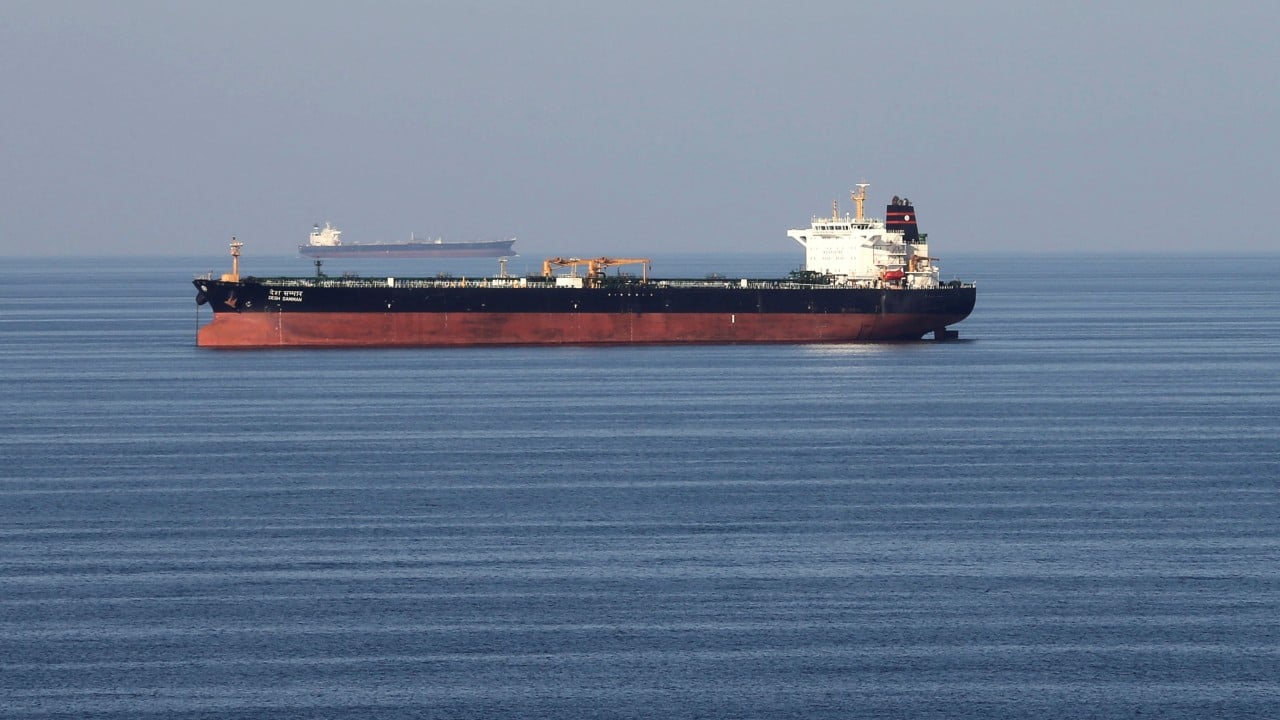
Meanwhile, shipping lanes through the Strait of Hormuz remain a flashpoint. Tehran continues to enforce its own rules on regional maritime traffic, issuing warnings to vessels and keeping tensions high. Energy markets barely flinched at the Treasury's announcement, signaling that commodities traders view the "economic D-Day" as political posturing rather than an immediate supply catastrophe.
The administration insists that patience is wearing thin and that more designations are coming down the pipeline. Yet until Washington proves willing to absorb the diplomatic fallout of targeting major global banks, Tehran's shadow networks will find a way to keep the lights on.