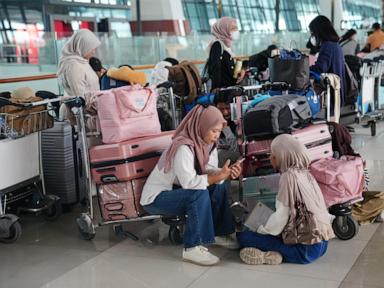
The sliding paper door of the old home in Kagurazaka used to whisper against its wooden tracks every evening at six. For forty years, Kenji knew the sound by heart. It meant the neighborhood was settling down. The butcher was closing his shutters. The neighborhood association was sweeping the moss off the stone steps. Then came the plastic wheels.
They rattled across the asphalt at two in the morning, dragging heavy suitcases over grooves that had known only the quiet shuffle of clogs or the soft tread of sneakers. You might also find this related coverage interesting: What Your Old School Map Lied To You About.
Tokyo is a city built on the alchemy of density. It houses nearly fourteen million people within its metropolitan core, yet it functions because of an unspoken contract of shared silence, mutual observance, and deep-rooted neighborhood stewardship. Everyone knows everyone, or at least everyone knows how to stay out of everyone else's way. But over the past few years, a phantom friction entered that ancient machinery.
The suitcases belonged to strangers. They arrived by the thousands, clutching smartphones with glowing screens, hunting for lockboxes hidden behind electrical meters. They were tourists, drawn by the irresistible gravity of a weak yen and a global appetite for the city's neon-lit mystique. They meant no harm. They wanted steaming bowls of ramen, late-night convenience store egg salad sandwiches, and a quiet place to sleep. As highlighted in recent reports by Lonely Planet, the implications are worth noting.
Yet, the homes they rented were not hotels. They were nestled deep in residential zones, where the walls are thin and the garbage collection schedule is governed by a complex sociological calendar that takes years to master.
Consider what happens when a neighborhood’s memory is replaced by a rotating door.
In Tokyo, short-term rentals—often operating under the radar or stretching the limits of the Inns and Hotels Act—began multiplying in alleyways that had never seen a commercial enterprise. The complaints trickled in slowly at first, then rushed like a burst pipe. Residents found sake cans jammed into mailboxes. They watched bewildered travelers struggling to separate burnable trash from non-burnable plastics, eventually giving up and leaving entire garbage bags on curbsides where they baked in the summer humidity. Stairwells became chaotic corridors of rolling luggage. Emergency vehicles lost precious minutes trying to navigate narrow streets blocked by lost travelers staring blankly at digital maps.
The breaking point was not dramatic. It was quiet. It was an elderly resident unable to sleep because of the midnight furniture-dragging upstairs, coupled with the realization that the person upstairs had no face, no name, and would be gone by Tuesday, replaced by someone else on Wednesday.
Local governments faced a stark choice. Protect the sacred fabric of neighborhood life or let the invisible hand of global tourism rewrite the DNA of the city.
The response was swift, sweeping, and absolute. Key Tokyo tourist hotspots and local wards began slamming the door on unregulated short-term rentals, implementing strict bans, mandatory registration caps, and heavy fines for platforms that failed to police their listings. It is a harsh corrective, and for the independent traveler who dreamed of living like a local in a residential district, it feels like a tragedy.
But perspective requires proximity. To understand the ban is to understand that Tokyo’s charm is not a static stage set designed for consumption. It is a living, breathing organism maintained by the very people who are now locking their doors against the midnight suitcases.
The paper door in Kagurazaka is quiet again. The plastic wheels are gone. In their place, the familiar sweep of a broom against stone returns to the morning air, reminding anyone who listens that a city is never just a destination. It is someone's home.