The Ghost in the Supply Chain
Somewhere between the sun-drenched industrial hubs of Italy and the expectant distribution centers of Poland, twelve tons of chocolate simply ceased to exist.
It wasn’t a heist involving Hollywood explosions or high-tech laser grids. There were no masked acrobats or getaway speedboats. Instead, the theft of nearly a quarter-million KitKat bars was an exercise in the mundane. It was a crime of paperwork, patience, and the invisible vulnerabilities of a global logistics network that we usually only notice when it breaks.
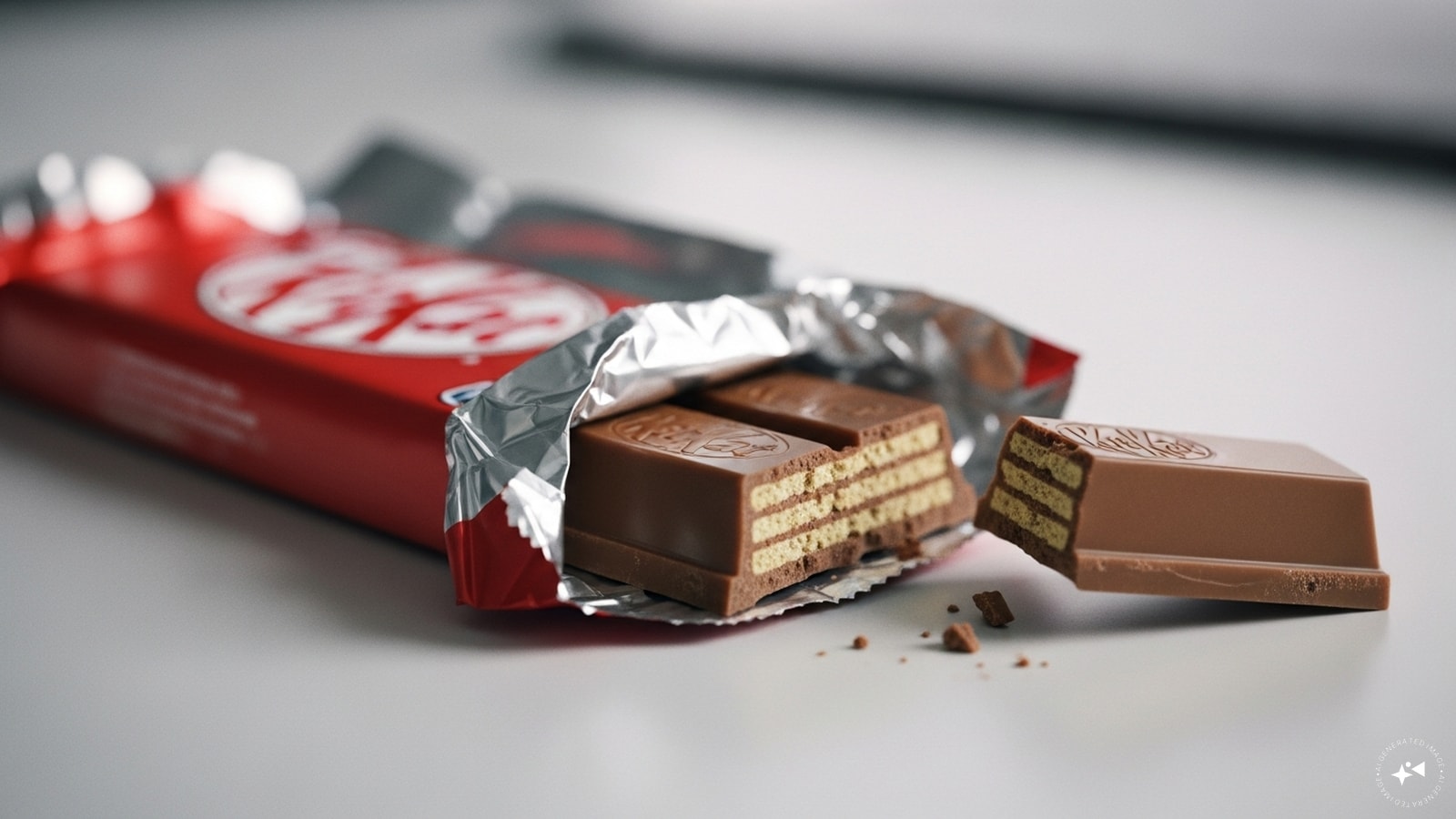
Imagine a single driver. Let’s call him Marek, though in the actual police reports, the name on the fraudulent documents was likely a ghost. Marek pulls his heavy-duty rig into a loading bay under the amber glow of warehouse lights. He checks his clipboard. He exchanges a few words with a tired dispatcher about the weather in the Alps. He waits for the rhythmic thud of pallets being slotted into his trailer—the weight of thousands of wafers wrapped in iconic red foil.
Then, he drives out of the gate. He turns left instead of right. And just like that, the "Have a Break" promise of an entire region evaporates into the black market.
The Weight of the Absence
Twelve tons is a difficult number to visualize. It is roughly the weight of two adult African elephants. It is the weight of six mid-sized SUVs. When converted into the currency of a child’s lunchbox or an office worker’s 3:00 PM ritual, it represents hundreds of thousands of individual moments of small, sugary relief.
Nestlé, a titan of the global food industry, confirmed the loss with the kind of practiced brevity usually reserved for quarterly earnings reports. But the dry statement belies a fascinating, frantic reality. To steal twelve tons of chocolate is not a crime of passion. It is an logistical operation that requires a destination, a buyer, and a refrigerated space where the evidence doesn't melt.
Sugar is a surprisingly liquid currency.
Unlike stolen diamonds or high-end art, a KitKat is anonymous. It has no serial number etched into its wafer. Once the outer shipping crates are discarded, those bars can be funneled into independent convenience stores, flea markets, or small-scale wholesalers across the European continent. The thief doesn’t need a fence; they just need a hungry, unsuspecting public that doesn't ask why the price is twenty cents lower than the supermarket down the street.
The Architecture of a Modern Heist
We often think of "Theft" as a physical act—a smashed window, a jimmied lock. In the modern business world, theft is increasingly a matter of identity.
The perpetrator likely utilized a "fictitious carrier" scheme. It’s a sophisticated sleight of hand. The criminals find a legitimate transport job posted on a digital freight exchange—the Tinder of the shipping world where companies post "Loads" and drivers post "Trucks." They intercept the bid using stolen credentials or a beautifully forged company profile. They look legitimate. They sound legitimate. They have the right insurance papers, all photocopied and doctored to perfection.
By the time the Polish warehouse realizes the truck is six hours late, the real "Marek" has already transferred the pallets to a second, untraceable vehicle in a quiet parking lot outside of Verona.
Consider the psychological state of the warehouse worker who loaded that truck. They did everything by the book. They checked the ID. They signed the manifest. They watched the taillights fade into the distance, never suspecting they were participating in a multimillion-euro disappearance act. There is a specific, hollow type of dread that settles in the gut of a logistics manager when they realize they didn't just lose a shipment—they handed it over willingly.
The Fragility of the Everyday
This isn't just a story about candy. It is a story about the radical trust required to keep the world fed.
We live in an era of "Just-in-Time" delivery. We expect the shelves to be stocked because we believe in the integrity of the line. We believe that the truck leaving Italy will arrive in Poland because that is how the world is supposed to work. When twelve tons of chocolate vanish, it creates a microscopic tear in that fabric of trust.
For Nestlé, the loss is a rounding error on a balance sheet. For the insurance companies, it’s a standard claim process. But for the consumer, it’s a reminder that the things we take for granted—the snacks, the staples, the small comforts—are always just one fraudulent signature away from vanishing.
There is a strange, dark irony in the KitKat slogan during a crisis like this. The thieves took the break. They took thousands of them.
Somewhere in a warehouse that doesn't appear on any map, crates are being opened. The red foil glints under fluorescent lights. The snapped wafers make that familiar, sharp sound. The world continues to turn, the trucks continue to roll, and the search for the twelve-ton ghost continues through a paper trail that leads nowhere.
The most successful crimes aren't the ones that end in a shootout. They are the ones that leave behind nothing but an empty space on a shelf and a confused dispatcher staring at a phone that refuses to ring.