Washington just took the gloves off. By slapping sanctions on Hengli Petrochemical, the US Treasury Department didn't just target another company; it signaled a massive shift in how it polices the "ghost fleet" of tankers keeping Iran's economy on life support. This isn't your typical slap on the wrist for a small-time middleman. Hengli is a giant, and the implications of this move are already rattling supply chains from Dalian to Dubai.
You have to understand the scale here to see why this matters. For years, the US mostly played a game of whack-a-mole with tiny, independent "teapot" refineries in China. These smaller players were easy to ignore or replace. But Hengli operates a massive 400,000 barrel-per-day refining complex in Dalian. It’s one of the crown jewels of China’s private sector. By blacklisting a player of this magnitude, the US is telling Beijing that no company is "too big to sanction" when it comes to Iranian crude.
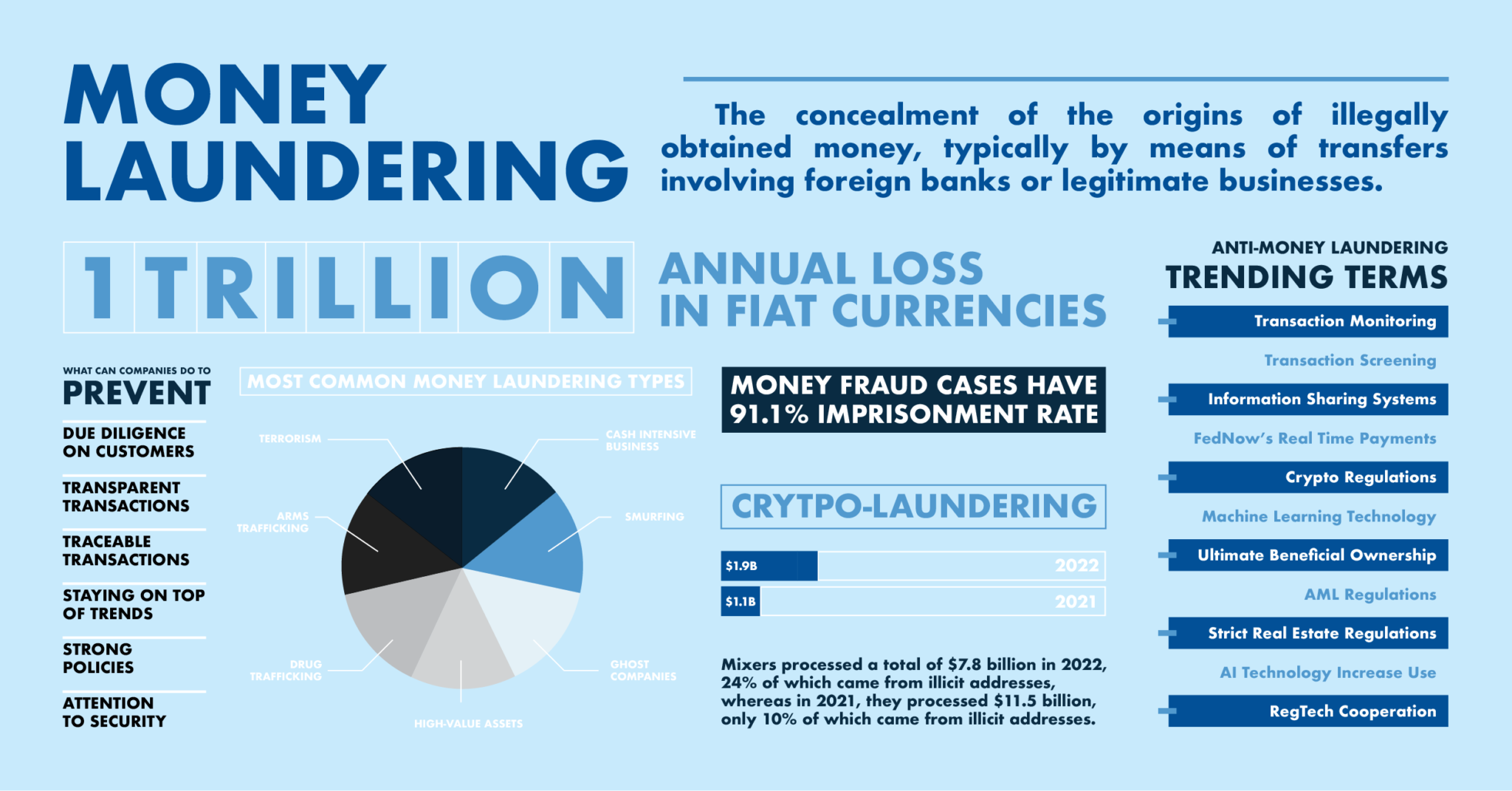
The Trillion Dollar Game of Hide and Seek
The official data from China’s General Administration of Customs often shows zero oil coming in from Iran. Don't let that fool you. In reality, China has been swallowing up about 90% of Iran's oil exports as of late 2025. It’s a massive operation where Iranian crude gets trans-shipped at sea, rebranded as "Malaysian" or "Indonesian," and then sold to Chinese refiners at a steep discount—sometimes $10 cheaper per barrel than the global benchmark.
The US Treasury alleges that Hengli didn't just dabble in this; they claim the firm bought billions of dollars’ worth of Iranian petroleum. Hengli, for its part, flatly denies this. They say their suppliers promised the oil was "clean" and that they have enough inventory to keep the lights on for at least three months. Honestly, they don't have much of a choice but to say that. Their shares already tanked by the 10% daily limit on the Shanghai Stock Exchange the moment the news broke.
Why This Escalation is Different
Historically, the US was hesitant to go after the big fish because of the potential blowback on global energy prices. But several factors changed the calculus in 2026:
- Failed Peace Offers: Recent diplomatic overtures between the West and Iran have largely stalled, leaving the US with few levers other than financial strangulation.
- Supply Chain Leverage: Unlike the state-owned giants like Sinopec or PetroChina, private refiners like Hengli are more exposed to the dollar-based financial system.
- The Trump Factor: With President Donald Trump’s visit to Beijing looming in May 2026, many analysts see these sanctions as a "bargaining chip." It’s a classic leverage play.
Ripple Effects Beyond the Gas Pump
If you think this is just about oil prices, think again. Hengli is a linchpin in the global polyester and textile industry. They are a massive producer of Purified Terephthalic Acid (PTA) and Monoethylene Glycol (MEG). These are the building blocks for everything from the shirt on your back to the plastic bottles in your fridge.
Since the sanctions hit, the market has gone into a tailspin. PTA operating rates in China have plummeted to a three-year low of 65%. When a giant like Hengli gets cut off from international banking, every downstream manufacturer that buys from them suddenly has a compliance nightmare on their hands. Two major clients have already reportedly canceled orders because they can’t risk "secondary sanctions" for doing business with a blacklisted entity.
The Real Cost of "Cheap" Oil
For Chinese refiners, Iranian oil was a competitive advantage. It was cheap, abundant, and settled in Chinese Yuan, bypassing the US dollar entirely. But that advantage comes with a massive hidden cost. When the US Treasury puts you on the SDN List (Specially Designated Nationals), you're effectively radioactive in the global economy.
- You can't use SWIFT for payments.
- Shipping companies won't touch your cargo.
- Insurance firms won't cover your facilities.
Hengli is trying to pivot by restructuring its Singapore-based trading arm, reducing its stake from 100% to just 5% to try and "un-taint" the unit. Most traders I’ve talked to are skeptical. The US government isn't stupid; they look at who actually pulls the strings, not just whose name is on the registration papers.
What Happens Next for Global Energy
The "maximum pressure" campaign is back with a vengeance, and it’s creating a more fragmented energy market. China isn't going to stop buying Iranian oil—it’s too vital for their energy security. Instead, they’ll likely double down on the Yuan-settled trade and find even more creative ways to mask the origin of their barrels.
We’re seeing a split where the world’s energy trade is breaking into two distinct systems: one that follows US rules and one that operates in the shadows. This move against Hengli forces other large private refiners like Zhejiang Petrochemical to look over their shoulders. If you’re a stakeholder in the petrochemical sector, now’s the time to audit your supply chain.
Check your suppliers’ "Letters of Origin" with a microscope. Don't just take their word for it that the crude is Malaysian. If the price looks too good to be true, it probably comes with a side of US Treasury scrutiny. The era of the "blind eye" is over. Start looking for alternative feedstock sources now, because the compliance net is only getting tighter as the 2026 geopolitical showdown heats up.