The idea that the US-Japan alliance is just a dusty Cold War relic is dead. If you’ve been watching the East China Sea lately, you know the stakes have shifted from theoretical "deterrence" to actual, high-stakes maneuvering. Beijing isn't just testing the waters; they're trying to see if the door to the Pacific is locked.
For decades, the deal was simple: the US provides the "spear" (offensive power) and Japan provides the "shield" (defense and bases). But that division of labor is gone. As of 2026, Japan is arming up with long-range Tomahawk missiles and a record $58 billion defense budget, while Washington is scrambling to modernize a command structure that hasn't changed since the 1960s.
Is the US actually prepared to defend Japan? The short answer is yes, but the way that defense looks is changing faster than the headlines can keep up.
Article 5 and the Senkaku Flashpoint
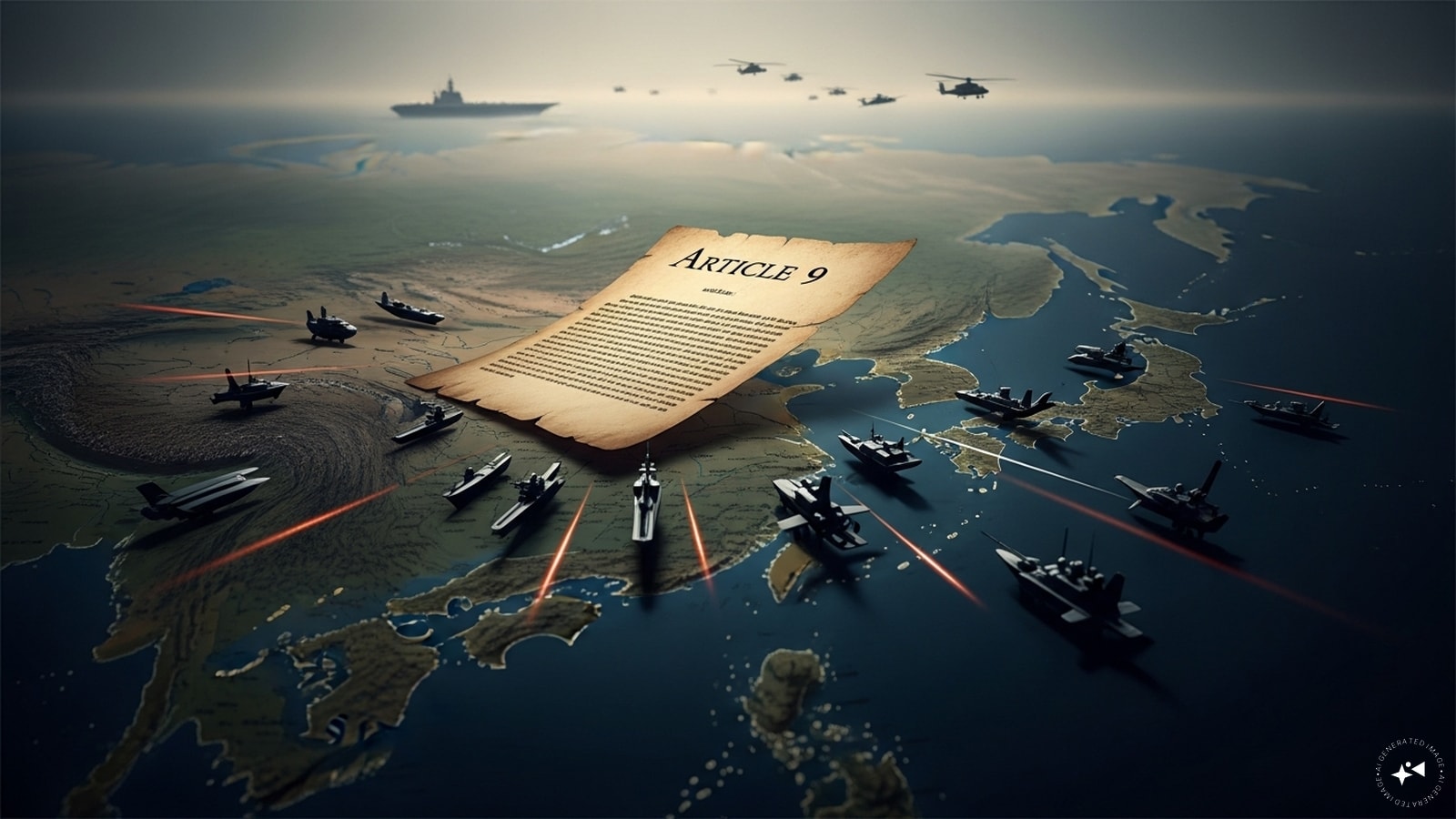
The heart of this entire relationship is Article 5 of the 1960 Treaty of Mutual Cooperation and Security. It says that an attack on "the territories under the administration of Japan" is an attack on the US.
For years, the big question was whether this applied to a few uninhabited rocks in the East China Sea called the Senkaku Islands. China calls them the Diaoyu and claims them as their own. While the US doesn't take an official stance on who owns the rocks, it has been crystal clear since the Obama era: Japan administers them, so if China moves on them, the US is legally obligated to step in.
But here’s the catch. China prefers "gray zone" tactics—actions that are aggressive but fall just below the threshold of "armed attack." We're talking about swarms of fishing vessels, coast guard "bumps," and laser-dazzling Japanese pilots. If a Chinese maritime militia ship rams a Japanese vessel, does that trigger a US carrier strike group? That's the ambiguity Beijing is exploiting, and it’s what keeps planners in Tokyo up at night.
The 2026 Reality Check
In early 2026, the US military presence in Japan took a weird turn. While the rhetoric about the Indo-Pacific is louder than ever, the actual boots on the ground are being pulled in different directions. In March 2026, orders were issued to move the 31st Marine Expeditionary Unit from Okinawa to the Middle East to deal with escalating tensions with Iran.
This kind of "swing force" movement makes Tokyo nervous. If the US is distracted in the Strait of Hormuz, is the "cornerstone" of Pacific security still solid?
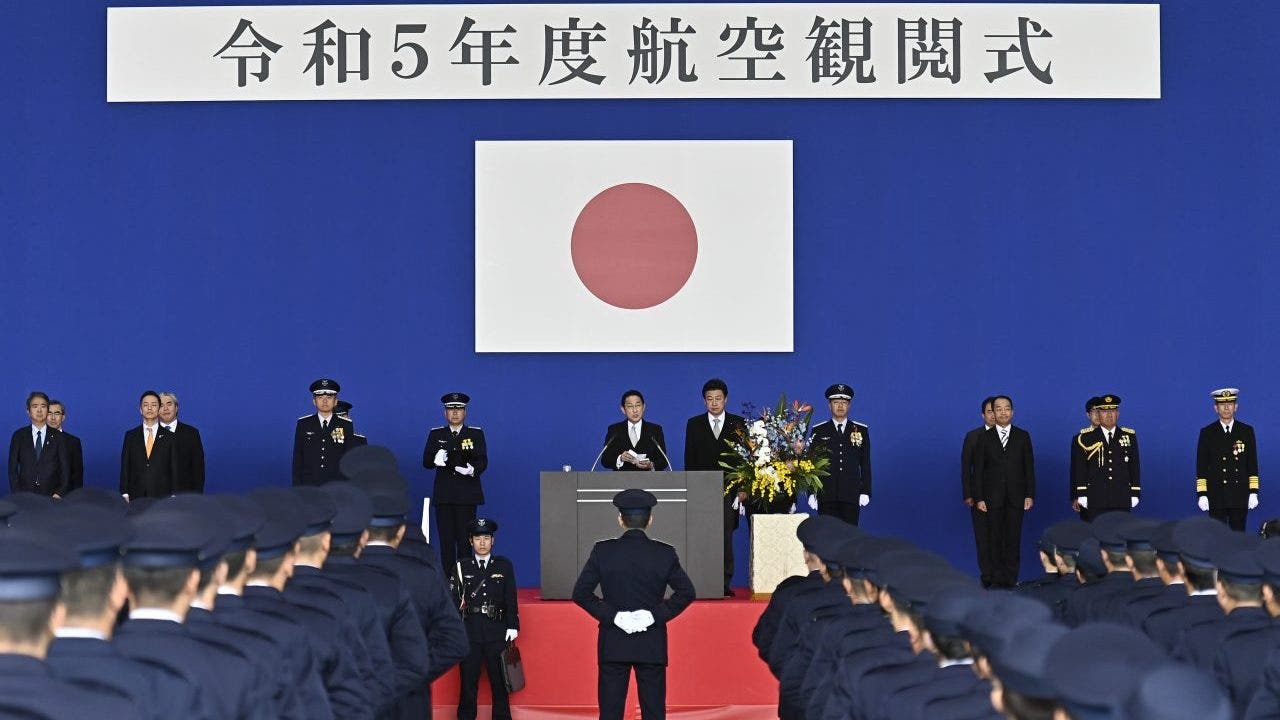
To compensate, the alliance is undergoing its biggest structural upgrade in sixty years. As of March 2025, Japan launched its Joint Operations Command (JJOC) to centralize its own military branches. Meanwhile, the US is transforming U.S. Forces Japan (USFJ) from a boring administrative office at Yokota Air Base into a real warfighting headquarters.
Basically, instead of Tokyo having to call Hawaii (Indo-Pacific Command) every time a crisis happens, they’ll have a high-ranking US general right there with the authority to move assets in real-time. It’s about shortening the "kill chain"—the time it takes to detect a threat and hit back.
Japan is No Longer Just a Shield
You can't talk about this treaty without mentioning Japan’s massive shift in strategy. For the first time in the post-war era, Japan is buying "counterstrike" capabilities. We're talking about missiles that can reach mainland China.
Why does this matter for the treaty? Because it changes the power dynamic. Japan is no longer just a passive host for US bases; it's becoming a regional power player.
- The Budget: The 9.04 trillion yen ($58 billion) budget for fiscal 2026 is a monster.
- The Gear: They’re investing in hypersonic guided missiles and rebranding the Air Self-Defense Force as the Air and Space Self-Defense Force.
- The Survival Situation: In late 2025, Japanese leadership suggested that an attack on Taiwan could be legally classified as a "survival-threatening situation" for Japan. This is huge. It means Japan could use its military to help the US defend Taiwan even if Japan itself isn't hit first.
The Friction Points Nobody Likes to Talk About
It’s not all handshakes and joint exercises. There’s a lot of friction under the surface.
- Okinawa: This tiny island hosts about 70% of the US military presence in Japan. The local population is tired of the noise, the accidents, and being the primary target if a war starts.
- The Bill: The current "Host Nation Support" deal expires in 2026. Japan pays about $1.9 billion a year to keep US troops there. Washington always wants more; Tokyo argues they’re already the most generous host in the world.
- Command Gaps: Even with the new headquarters, there’s still no "Combined Command" like there is in South Korea. The US and Japan will still be two separate militaries trying to stay in sync, which is risky when missiles move at Mach 5.
What You Should Watch For
Don't look at the big political speeches; look at the logistics. If you see more US Marines moving from Okinawa to Guam or Northern Australia, that’s not a retreat—it’s a move toward "distributed lethality." They’re spreading out so a single Chinese missile strike can’t wipe out the whole force.
Also, watch the "2+2" ministerial meetings. If they start talking about integrated air and missile defense (IAMD), it means the two countries are literally merging their radar and interceptor networks. That’s the ultimate sign of commitment.
The US-Japan treaty is currently the only thing standing between the status quo and a Chinese-dominated Pacific. It’s not just a piece of paper; it’s a living, breathing military machine that’s currently being overhauled while the engine is still running.
If you’re tracking regional security, your next step is to look at the specific deployment of the new Marine Littoral Regiments in the Ryukyu Islands. These units are designed specifically to sink ships from the shore, and they’re the clearest indicator that the US is doubling down on its promise to Japan. The "spear and shield" is gone. Welcome to the era of the "integrated blade."