The headlines coming out of Europe and Washington sound like a massive geopolitical breakthrough. Donald Trump and Iranian negotiators just virtually signed an interim memorandum of understanding to halt the 2026 Iran war, promising to lift naval blockades and open the Strait of Hormuz. Stock markets are jumping. Global oil prices are dropping.
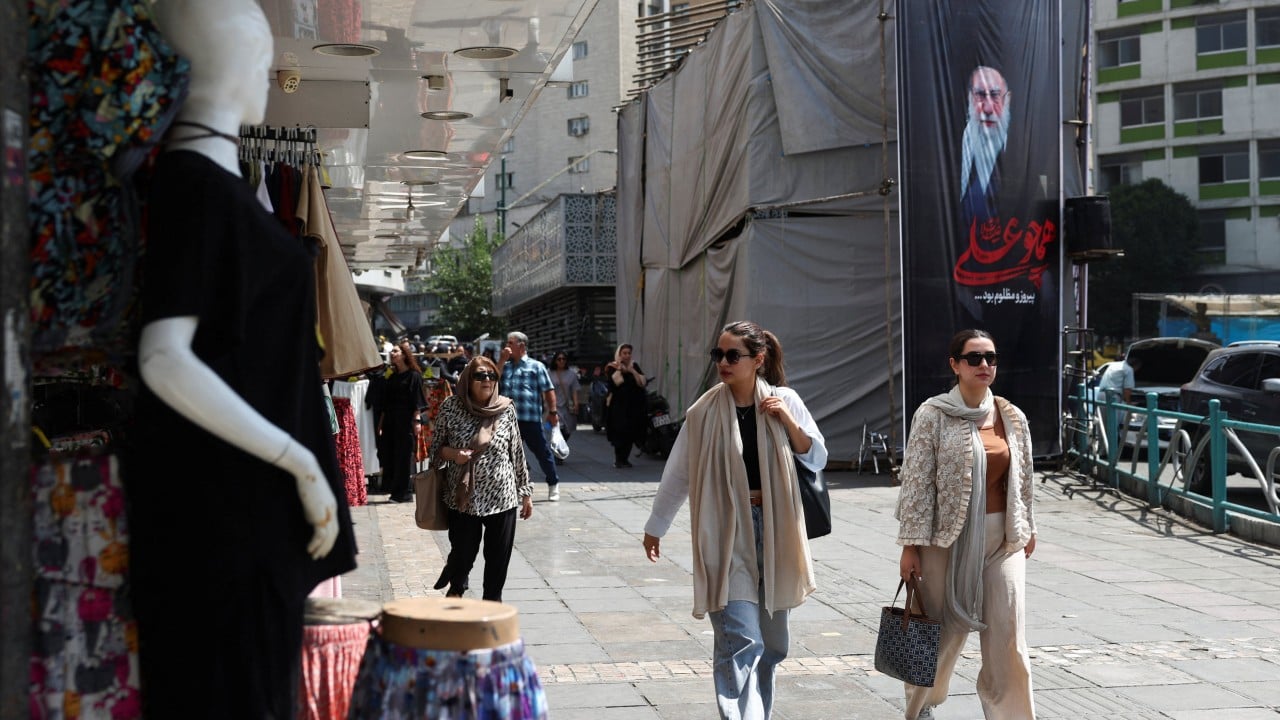
But if you talk to anyone living in Tehran right now, nobody is pouring champagne.
The disconnect between diplomatic theater and reality on the ground is staggering. For the average Iranian, geopolitical deals don't put meat on the table or stabilize a currency that has spent years in freefall. People aren't thinking about regional frameworks or Phase 2 negotiation timelines. They're trying to figure out how to pay for cheese, eggs, and rent before prices tick up again tomorrow morning.
The Myth of Immediate Economic Relief
Western analysts love talking about the macroeconomic wins of this memorandum. They point to the promised U.S. Treasury waivers for crude oil already loaded on tankers, the eventual unfreezing of restricted foreign assets, and vague discussions of a $300 billion regional development fund.
It looks great on a screen. In the real world, it's a completely different story.
The core issue is that this deal creates a 60-day window for further negotiations. It doesn't instantly repair a domestic economy shattered by intense military strikes, hyperinflation, and decades of structural mismanagement. Vice President J.D. Vance explicitly stated that releasing frozen assets remains conditional on verified steps, meaning cash isn't suddenly flooding into Iranian banks to lower the cost of living.
When a currency slides by single-digit percentages in a matter of weeks, businesses don't lower prices based on a preliminary signature in Geneva. They hoard inventory. Importers stop taking risks. The local merchant isn't looking at the G7 summit; they're looking at their daily cash register.
Why Survival Mode Outlasts Diplomatic Deals
To understand why the local population remains deeply skeptical, look at how the average family has had to adapt just to get by. Over 90% of the population has transitioned into what can only be described as absolute survival mode.
Middle-class families have watched their life savings evaporate. Buying a home is a distant dream for young couples. Even basic dietary staples have become luxury items, forcing families to cut back on protein and fresh produce.
Domestic Inflation Reality vs. Diplomatic Promises
- Official promises: Sanctions waivers, oil flow resumption, asset unfreezing.
- Street level reality: Fixed wages, soaring grocery bills, hoarding of basic goods.
- Institutional distrust: High skepticism that any incoming funds will trickle down to citizens.
There is a deep-seated belief that even if billions of dollars in frozen assets are eventually released, the money won't reach the people who need it most. History shows that state funds under pressure usually go toward stabilizing state infrastructure, security apparatuses, and regional proxy networks rather than public welfare or consumer subsidies.
The Enforcement Trap and Future Uncertainty
Another reason for the muted response is the fragile nature of the ceasefire itself. The April ceasefire mediated by Pakistan was violated multiple times by both sides before being extended. This new June agreement is built on equally shaky ground.
Contentious issues like the complete dismantlement of Iran's enriched uranium stockpile and the future of its missile program have been pushed down the road into the 60-day negotiation phase. The U.S. expects full compliance under threat of renewed military action, while hardliners within Iran remain highly vocal against making deep compromises.
This creates a climate of extreme volatility. When the future of your country's security depends on a highly unstable 60-day clock, you don't make long-term business investments. You don't hire new employees. You buy gold, you hold hard currency if you can find it, and you wait to see if the bombs start falling again in August.
What Needs to Change for Real Recovery
For this peace deal to mean anything to ordinary citizens, the economic benefits have to bypass the usual state bottlenecks and directly impact daily living costs.
- Immediate Currency Stabilization: The central bank needs to use any early financial relief to stabilize the rial, giving local merchants the confidence to halt daily price hikes.
- Import Simplification for Essentials: Direct pathways must be opened for medicine and food imports, removing the bureaucratic red tape that drives up consumer prices.
- Transparent Asset Allocation: Clear, public accounting of how unfrozen funds are utilized domestically would help bridge the massive trust gap between the population and the state.
Without these direct steps, the Geneva signing ceremony remains an abstract political game. The global economy might get cheaper gas, but the people living under the reality of the regime will continue doing exactly what they've done for years: surviving day by day, completely independent of the promises made on the world stage.