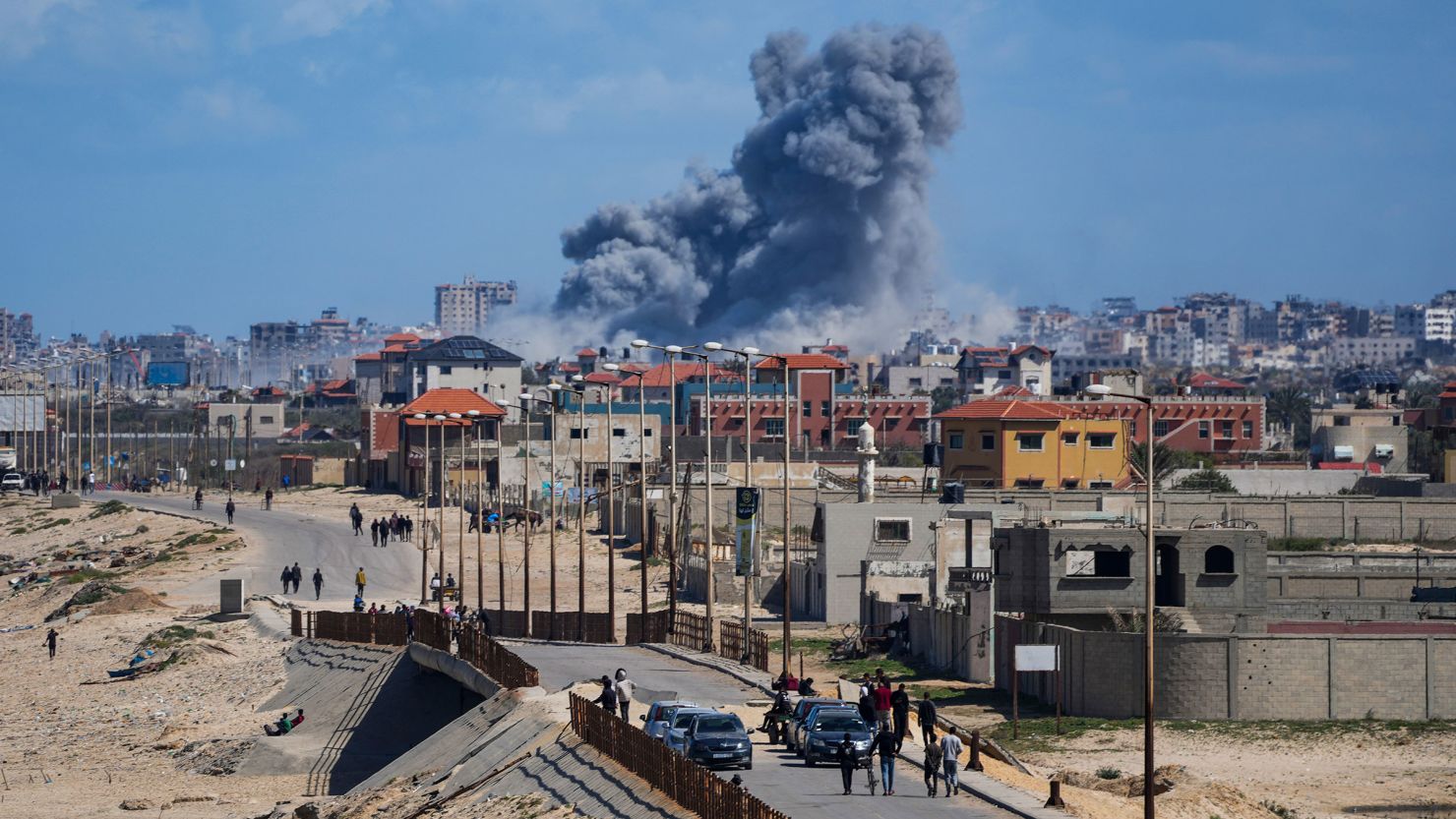
The world is holding its breath as Islamabad transforms into a high-security fortress for what might be the most consequential diplomatic gamble of the decade. This isn't just another photo op in a neutral capital. It's a raw, last-ditch effort to stop a regional war that has already pushed the global economy to the brink of collapse. If you've looked at your gas bill or the price of groceries lately, you know exactly why these talks matter.
The stakes couldn't be higher. For the first time since the 2026 Iran war broke out, high-level delegations from Washington and Tehran are sitting in the same room. Pakistan, playing the unlikely role of the "honest broker," has managed to drag both sides to the table after weeks of brutal exchanges and a crippling blockade of the Strait of Hormuz.
The players at the table
Don't expect minor bureaucrats to handle this. The White House is sending Vice President JD Vance to lead the American team. Joining him are Steve Witkoff and Jared Kushner, signaling that President Trump wants a deal, and he wants it fast. This isn't about traditional diplomacy; it's about a transactional, "make-or-break" approach to foreign policy.
On the other side, Iran is sending its heavy hitters. Foreign Minister Abbas Araghchi and Parliament Speaker Mohammad Bagher Ghalibaf are leading the charge. These aren't just diplomats; they're the architects of Iran's wartime strategy. They're coming with a 10-point proposal that essentially demands the US pack up and leave the Middle East in exchange for reopening the world's most vital oil artery.
What the US wants
- Nuclear Hard Stops: A total freeze and removal of enriched material.
- Strait of Hormuz: Immediate and unconditional reopening to global shipping.
- Missile Caps: Real limits on Iran’s ballistic capabilities.
- Regional Pullback: Ending support for proxy groups in Lebanon and Yemen.
What Iran demands
- Total Sanctions Relief: Not just a pause, but a complete removal of primary and secondary sanctions.
- Asset Unfreezing: Immediate access to billions in frozen funds abroad.
- US Withdrawal: A timeline for US combat forces to exit regional bases.
- War Reparations: Compensation for damages incurred during the conflict.
Why Islamabad is the only choice
You might wonder why a city like Islamabad was chosen over traditional hubs like Geneva or Muscat. Honestly, it's about proximity and leverage. Pakistan has a unique, albeit messy, relationship with both powers. It shares a border with Iran and has decades of complicated military and intelligence ties with the US.
Prime Minister Shehbaz Sharif and Army Chief Asim Munir have positioned Pakistan as the only entity capable of providing a "diplomatic fig leaf." It allows both sides to step back from the edge without looking like they’ve surrendered. But let’s be real: Islamabad is also a "fortress" right now. The Red Zone is sealed, the Serena Hotel is cleared of guests, and a public holiday has been declared just to keep the streets empty. They can't afford a single security lapse.
The Lebanon problem
The biggest threat to these negotiations isn't what’s happening in Islamabad, but what’s happening in Beirut. While Pakistan brokered a ceasefire, the US and Israel insist that Lebanon is a separate theater. Iran disagrees. President Masoud Pezeshkian has already warned that if bombs keep falling on Lebanon, the talks are "meaningless."
This is the classic diplomatic trap. One side sees a unified regional conflict; the other sees isolated fires that can be put out one by one. If Israel continues its bombardment, the Iranian delegation might just walk out before the first pot of tea is served. It’s a fragile peace held together by Scotch tape and prayers.
What this means for you
If these talks fail, we aren't just looking at more headlines. We're looking at a permanent energy crisis. The Strait of Hormuz handles 20% of the world's oil supply. With it closed, the global economy is basically suffocating. Success in Islamabad means a return to some semblance of market stability. Failure means a guaranteed global recession and potentially a wider, more direct conflict involving more than just the current combatants.
The distrust is thick enough to cut with a knife. The Iranian National Security Council says they’re entering talks with "complete distrust," and the US team is under pressure from a president who is famously impatient for results.
Moving forward
Watch the headlines over the next 48 hours for three specific signals:
- The Lebanon Linkage: See if the US makes any private concessions regarding Israeli operations to keep Iran at the table.
- The "10-Point" Compromise: Look for any signs that the US is willing to discuss a timeline for sanctions relief in exchange for a temporary reopening of the Strait.
- The Role of the Gulf: Saudi and Qatari delegations are in town for "sideline talks." Their involvement usually means money is being discussed as a sweetener for any potential deal.
Keep your eyes on the Serena Hotel and the Prime Minister’s Secretariat. The next few days in Islamabad will determine if 2026 goes down in history as the year the world stepped back from the brink, or the year the fire truly spread.