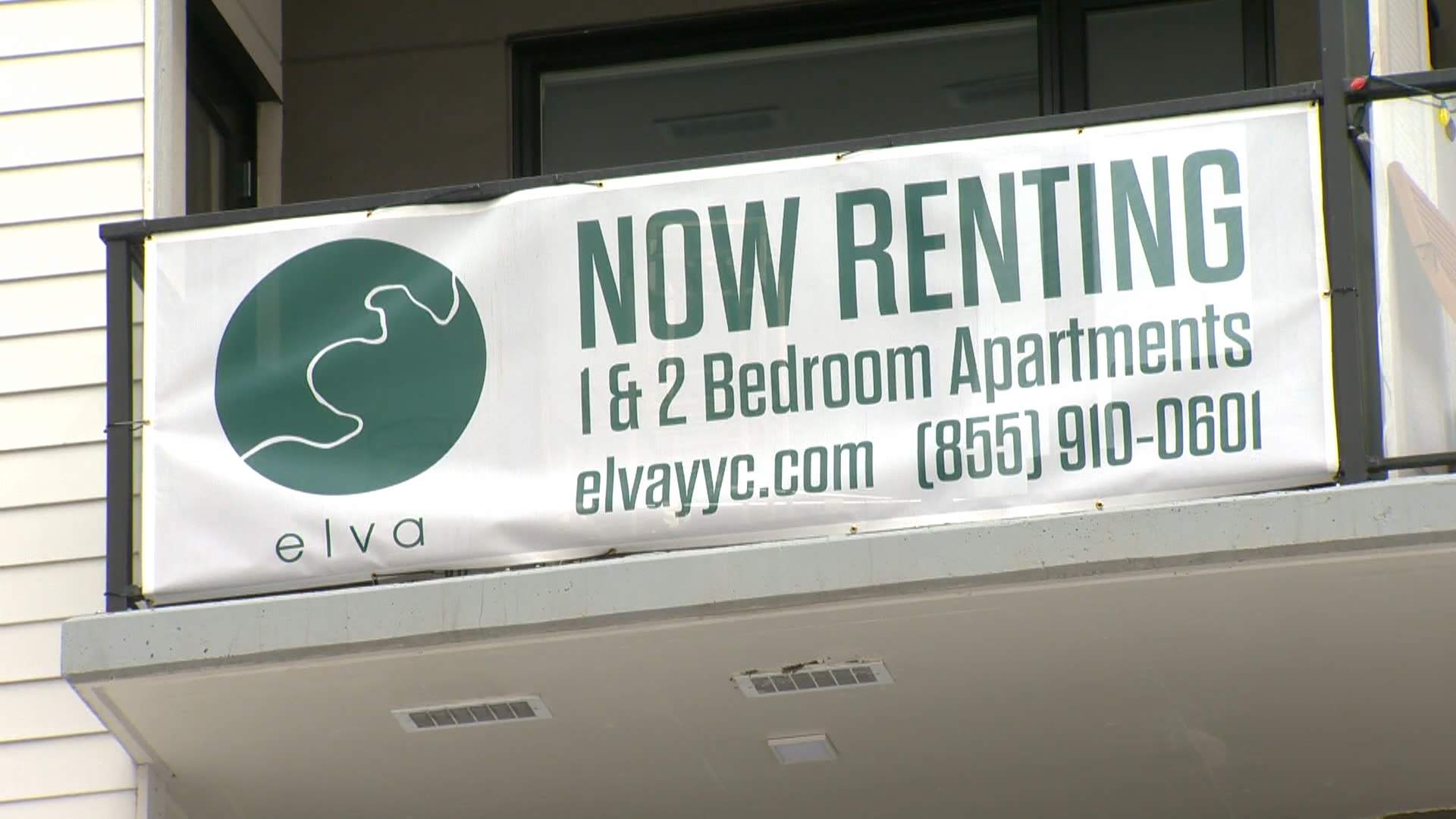
Every month, a quiet ritual plays out across millions of doorsteps. It begins with the heavy thud of an envelope hitting the floor or the silent ping of a banking app notification. For a brief second, your breath catches. You look at the number. More than half of what you earned over the last four weeks—gone before it even touches your savings account.
This is the reality of modern renting. It is an exhausting, hyper-vigilant existence where a single unexpected repair or an arbitrary notice to vacate can uproot your children, your career, and your sanity.
Now, consider a different room.
Imagine a grand chamber lined with polished oak, echoing with centuries of institutional weight. Here, the laws governing that stressful monthly ritual are debated, drafted, and codified into stone. The people sitting in these green leather chairs are tasked with balancing the scales between those who pay rent and those who collect it. But a stark, structural distortion undermines this entire process.
The people writing the rules of the rental market are, overwhelmingly, the ones collecting the checks.
When parliamentarians hold deep financial stakes in the very market they are regulating, a quiet crisis of representation occurs. It is not necessarily a story of overt corruption or villainous backroom deals. It is something far more insidious: a profound, systemic empathy gap. When the lawmakers look at a housing bill, they do not see the terror of an unfair eviction. They see a dip in their quarterly investment yields.
The Divided House
The numbers paint a stark picture of this legislative imbalance. Housing advocates have long pointed out that a massive percentage of Members of Parliament own secondary properties, generating significant income from residential tenancies. While roughly one-third of the general population rents their home, the proportion of renters inside the halls of government is virtually non-existent.
This is a classic conflict of interest hidden in plain sight.
If a politician held millions of dollars in oil stocks while drafting environmental regulations, public outcry would be deafening. Yet, when it comes to the most fundamental human need—shelter—society treats real estate portfolios as a normal, even commendable, badge of financial success for public servants.
To understand how this alters reality, look at a hypothetical scenario involving two people: Sarah and Thomas.
Sarah is a schoolteacher renting a two-bedroom apartment. When her boiler breaks in the dead of winter, she spends three weeks shivering, sending increasingly desperate emails to a property management company that views her as a line item on a spreadsheet. She cannot easily leave because the vacancy rate is under one percent, and moving costs would wipe out her emergency fund.
Thomas is an MP sitting on a committee reviewing tenant protection laws. He also happens to own four residential rental properties in the capital. When a bill comes forward to cap annual rent increases or ban no-fault evictions, Thomas does not think of Sarah. He thinks of his rising mortgage interest rates. He thinks of the maintenance costs on his properties. He instinctively views the legislation through the eyes of the provider, not the user.
When the legislature is packed with Thomases, Sarah's voice does not just get outvoted. It becomes entirely unintelligible to the people in power.
The Myth of the Neutral Lawmaker
Society likes to believe that elected officials can magically compartmentalize their personal wealth when they step onto the parliament floor. We are told that rigorous debate and a sense of public duty will naturally lead to balanced outcomes.
But human psychology does not work that way.
Our lived experiences dictate our blind spots. A wealthy property owner cannot truly comprehend the visceral panic of receiving a letter that gives you sixty days to pack up your life. They do not know what it feels like to browse local listings and realize that every available apartment costs hundreds of dollars more than you can afford. To them, housing is an asset class. To the tenant, it is survival.
This cognitive disconnect shapes the very language of political debate.
Lawmakers routinely talk about "fostering investment" and "ensuring market liquidity" when discussing housing policy. They warn that treating tenants too kindly will scare off landlords and dry up the housing supply. This language is a shield. It reframes a deeply emotional, human crisis into a sterile economic equation, sanitizing the human suffering caused by a broken system.
The Cost of the Gap
Because of this lopsided representation, the legal landscape remains heavily tilted. Tenants are left to navigate a labyrinth of bureaucracy just to enforce basic rights, while landlords retain powerful levers of control.
Consider how easily a landlord can reclaim a property under the guise of "renovations" or "personal use," only to list it a month later at double the price. Tenants know this happens constantly. They see the loopholes because they fall through them. But the legislative fixes for these loopholes move at a glacial pace, stalled by committee rewrites and endless consultations with property-owner lobby groups.
The real danger is a total erosion of trust in democratic institutions. When a massive demographic segment looks at their government and sees a landlord cartel, the social contract begins to fray. People stop believing that the system can fix their problems. They stop believing that voting matters.
We are left with a society deeply divided by a fence of property titles. On one side are those who view a house as a home—a place of safety, memory, and stability. On the other side are those who view it as a wealth-generation engine, protected by the very laws they write.
The heavy envelope will keep hitting the floor every month. The banking apps will keep pinging. And until the people inside the oak-lined chambers know what it feels like to watch their hard-earned income vanish into someone else's mortgage, the scales will remain broken.