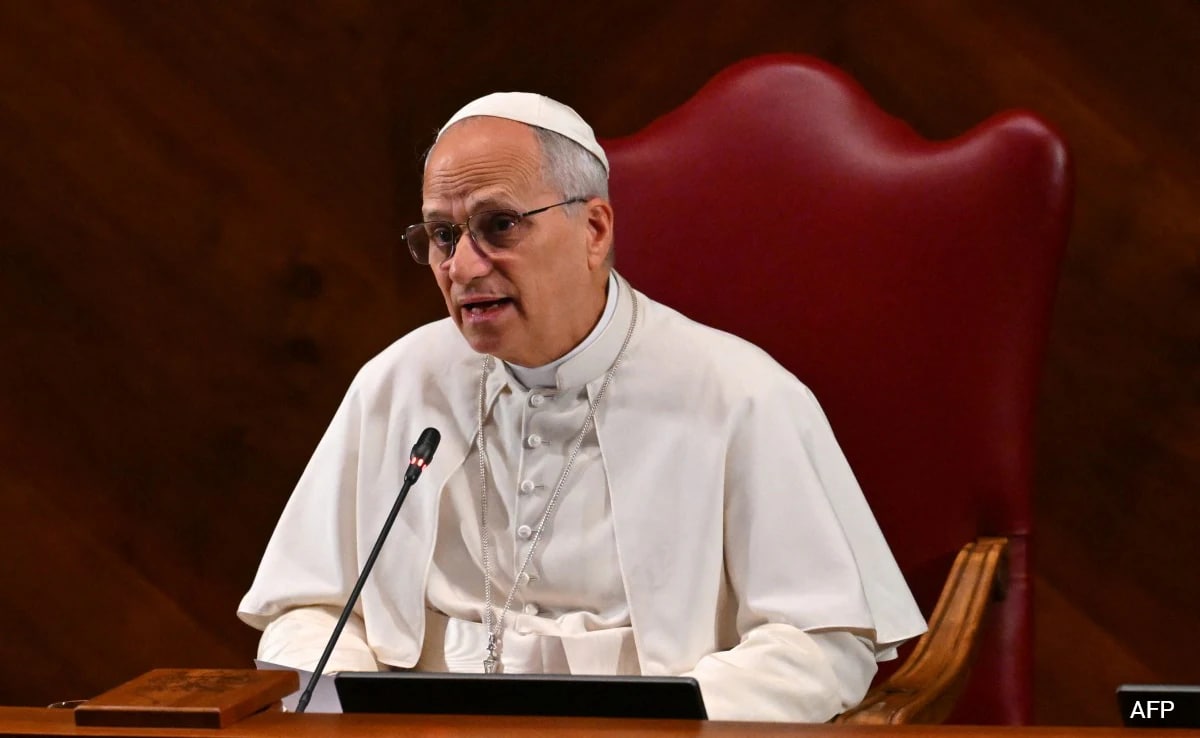
Pope Leo just made a move that’s shaking up the American Catholic pews. He didn't pick a lifelong academic or a career bureaucrat for the latest opening in the U.S. hierarchy. Instead, he reached back into the roots of the migrant experience. He appointed a man who once crossed the border without papers to serve as a high-ranking leader in the American Church. This isn't just a personnel change. It's a loud, clear message about where the Vatican thinks the future of American faith actually lies.
You’ve probably seen the headlines. Most of them focus on the shock value. But if you look at the numbers, this was almost inevitable. The U.S. Catholic Church is leaning heavily on its Hispanic members to keep the lights on. Without the massive influx of immigrants over the last few decades, many dioceses would be looking at empty buildings. By elevating someone who lived the "undocumented" reality, the Pope is validating the lives of millions who usually feel like they're living in the shadows.
From the Border to the Altar
The story of the new Bishop isn't a fairy tale. It’s a gritty account of survival that mirrors the trek thousands make every single year. He didn't arrive with a visa or a job offer waiting for him. He came because he had to. He worked the kind of jobs most of us ignore—manual labor, service industry, the backbone of the economy. He wasn't always a "Your Excellency." For a long time, he was just another person trying to stay under the radar of immigration enforcement.
This background changes everything about how he'll lead. Most bishops talk about poverty from a distance. They read reports. They see spreadsheets. This man felt the heat of the sun and the cold fear of a knock on the door. When he talks about "welcoming the stranger," it isn't a theological abstraction. It’s his autobiography.
The Logistics of a Radical Choice
The Vatican’s vetting process, known as the processus, is usually shrouded in secrecy. It involves dozens of interviews and deep background checks. Normally, any "legal irregularity" in a candidate’s past would be a massive red flag. It would be enough to bury a promotion before it even started.
Pope Leo is clearly throwing that old playbook out the window. By pushing this through, the Vatican is signaling that moral character and shared experience carry more weight than past administrative status. It’s a gamble. It’s also a direct challenge to the political climate in the United States, where the "undocumented" label is often used as a permanent mark of shame.
Why the US Church Needs This Right Now
Let’s be honest about the state of the Church in America. It’s graying. It’s shrinking in some of its traditional strongholds in the Northeast and Midwest. Meanwhile, the South and West are booming, driven largely by Latino families. There’s a massive disconnect between the people in the pews and the men in the miters.
- Over 40 percent of U.S. Catholics are Hispanic.
- Among Catholics under 30, that number jumps even higher.
- Yet, the leadership remains disproportionately white and suburban.
This appointment bridges that gap. It tells a young kid in a migrant camp or a strawberry field that the highest levels of power aren't closed off. It’s the ultimate "one of us" moment for a community that has often been told they don't belong.
The Political Firestorm That Follows
You can’t make a move like this without stepping on some toes. Hardline immigration critics are already calling this a political stunt. They argue that the Church is "rewarding" someone who broke the law. But the Church operates on a different timeline than a four-year election cycle. For the Vatican, the "law of the land" is always secondary to the "law of the Gospel."
Pope Leo has been vocal about this since day one. He’s visited border towns. He’s washed the feet of refugees. He’s clearly tired of the Church being seen as a country club for the comfortable. By appointing a former undocumented migrant, he’s making the Church's stance on immigration an undeniable reality rather than a nice-sounding suggestion.
A New Kind of Diplomacy
This isn't just about the pulpit. Bishops hold significant social and political capital in their cities. They meet with governors. They talk to CEOs. When this Bishop walks into a room with a local politician to discuss housing or labor rights, he brings a level of credibility that can't be coached. He knows the loopholes used to exploit workers because he saw them firsthand. He knows the fear of the healthcare system because he lived it.
He’s going to be a nightmare for politicians who like to use "faith values" as a shield for anti-immigrant policies. You can't tell a Bishop he doesn't understand the "real world" when he's spent more time in the trenches than most of the people in the legislature.
What This Means for Your Local Parish
Don’t think this stays at the top level. This appointment is a green light for priests and lay leaders across the country. It encourages them to be bolder. If the Pope is willing to go this far, it means the local soup kitchen or the parish legal aid clinic is doing the right work.
It also changes the conversation around vocations. For years, the Church has wondered why more young men aren't becoming priests. Maybe it’s because the Church wasn't looking in the right places. By celebrating this Bishop’s path, the Vatican is telling every immigrant family that their sons are valued, regardless of how they got here.
The Risk of a Backlash
There’s a real danger of further fracturing an already divided American Church. Some donors might pull their funding. Some parishioners might walk across the street to a more conservative congregation. It’s a price the Vatican seems willing to pay. They’re trading the comfort of the few for the inclusion of the many.
Moving Toward a More Authentic Leadership
The Church is at a crossroads. It can either become a museum of European heritage or a living, breathing house for the global poor. Pope Leo chose the latter. This appointment isn't a mistake or a clerical oversight. It’s a deliberate strike against the idea that your past defines your worth in the eyes of God—or the Church.
If you want to see how this plays out, watch the next few regional meetings of the U.S. Conference of Catholic Bishops. The energy in the room is about to shift. The voices at the table are getting grittier, more diverse, and a lot less concerned with keeping the status quo.
The era of the "safe" appointment is over. The Church is finally starting to look like the people it serves. It’s about time.
Stop looking for the Church in the old cathedrals of the North. Look for it in the communities where people are struggling, working, and hoping for a better life. That’s where the real power is shifting. If you're involved in your local parish, start asking how your leadership reflects the actual demographics of your neighborhood. If it doesn't, you're looking at a relic, not a future. Support the initiatives that prioritize the marginalized. That’s clearly where the boss in Rome is putting his money.