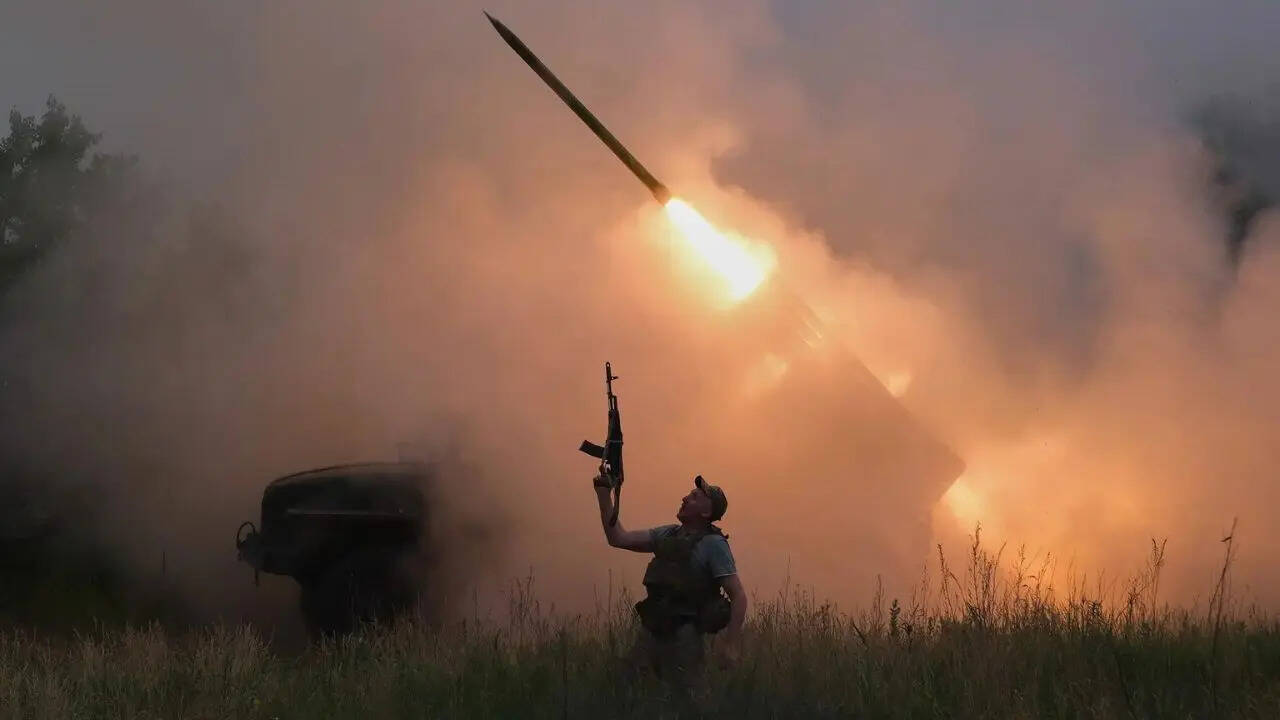
The sky over Russia turned into a shooting gallery for thirteen hours straight as Ukraine launched one of its most aggressive long-range drone assaults of the entire war.
According to the Russian Defense Ministry, air defense units intercepted and destroyed 339 Ukrainian fixed-wing unmanned aerial vehicles (UAVs) in a single day. The sheer scale of the operation reveals a conflict that has evolved far beyond trench warfare. We are looking at fully automated, industrial-scale attrition. Discover more on a similar issue: this related article.
While hundreds of drones rained down on thirteen different Russian regions, Ukrainian President Volodymyr Zelenskyy was making another desperate public plea for peace. He demanded an immediate end to the conflict, stating that Russia must stop its attacks on life.
But the reality on the ground shows a massive disconnect between diplomatic statements and military strategy. Zelenskyy talks about peace, yet his military is executing the largest aerial saturation campaigns Moscow has seen. Russian President Vladimir Putin dismissed the diplomatic overtures immediately, ignoring an open letter sent by the Ukrainian leader. More analysis by The Washington Post highlights similar perspectives on the subject.
The Logistics Behind the 339 Drone Blitz
You don't just pull 339 long-range attack drones out of a garage overnight. A strike of this magnitude requires deep supply chains, complex flight routing, and sophisticated electronic warfare coordination to bypass Russian jamming networks.
The Russian Defense Ministry confirmed that the interceptions spanned from central Russia all the way to northwestern regions like Leningrad and Pskov. Drones even penetrated the airspace around Moscow, forcing civilian flight operations to halt completely. Local authorities had to issue four separate suspension orders at major transit hubs, including the resort city of Sochi along the Black Sea.
This geographic spread tells us exactly what Ukraine is trying to achieve. They aren't trying to level a single base. They are trying to force Russia to spread its expensive air defense systems thin.
Think about the math here. If Ukraine flies cheap, prop-driven drones deep into Russian territory, Russia has to counter them with multi-million-dollar surface-to-air missiles or expose vital infrastructure. It's a game of economic attrition that Ukraine is playing aggressively. By forcing civilian airports to shut down and keeping air defense crews on high alert across a dozen provinces, Ukraine disrupts daily life inside Russia and forces Moscow to expend finite ammunition.
Why Diplomatic Open Letters Mean Nothing Right Now
While the drones were flying, the diplomatic front remained totally deadlocked. Zelenskyy warned that any manifestation of injustice against Ukraine would receive a just response, calling it time to end the war.
Honestly, the rhetoric doesn't match the strategic reality. Just weeks prior, Kyiv attempted a unilateral ceasefire, which Moscow flatly ignored, claiming Ukraine failed to abide by its own terms. The mutual distrust is so deep that public letters and media declarations are basically just theater for international observers.
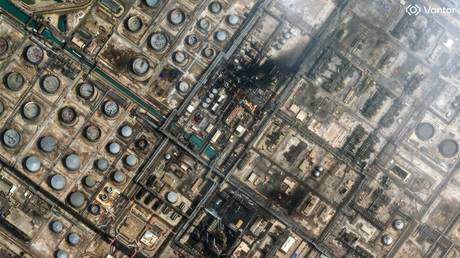
Putin's outright refusal to engage with Zelenskyy's latest letter stems from a position of stubbornness. Russia still occupies roughly 20% of Ukrainian territory. They are banking on their larger army and industrial capacity to outlast Western military aid to Ukraine. On the flip side, Ukraine cannot accept a peace deal that formalizes the theft of its land, especially while they still possess the teeth to strike deep inside Russian borders, like recent drone strikes hitting oil terminals in St. Petersburg.
So the war grinds on because neither side has a political reason to stop. Ukraine uses drones to prove they can hurt Russia at home. Russia uses missile strikes to terrorize Ukrainian cities. Just hours after the drone swarms were downed, Russian strikes hit targets in Zaporizhzhia and other provinces, killing civilians and leaving rescue crews digging through the rubble.
The Breaking Point of Commercial Tech in Modern Warfare
What we are seeing is the absolute peak of drone warfare, but it's also exposing the limits of the technology. Flying 339 drones and having the vast majority of them shot down or jammed shows that defensive tech is catching up to the offensive drone boom.
Early in the war, small, agile drones caught armies off guard. Now, electronic warfare trucks, automated anti-aircraft guns, and layered radar networks dominate the airspace. If you're relying entirely on saturation tactics, you have to accept that 90% of your fleet might get wiped out before reaching the target. The goal isn't a perfect strike rate anymore; it's simply overwhelming the defense until one or two drones slip through to hit a fuel depot or a radar station.
For anyone tracking this conflict, the next steps won't be found in peace summits or open letters. Watch the manufacturing data and the shipping lanes. The side that can produce cheap guidance systems and autonomous chips faster will hold the upper hand. Until Western allies either fully unchain Ukraine's long-range missile capabilities or Russia runs out of hardware, these massive drone swarms are simply the new, terrifying baseline of modern combat.