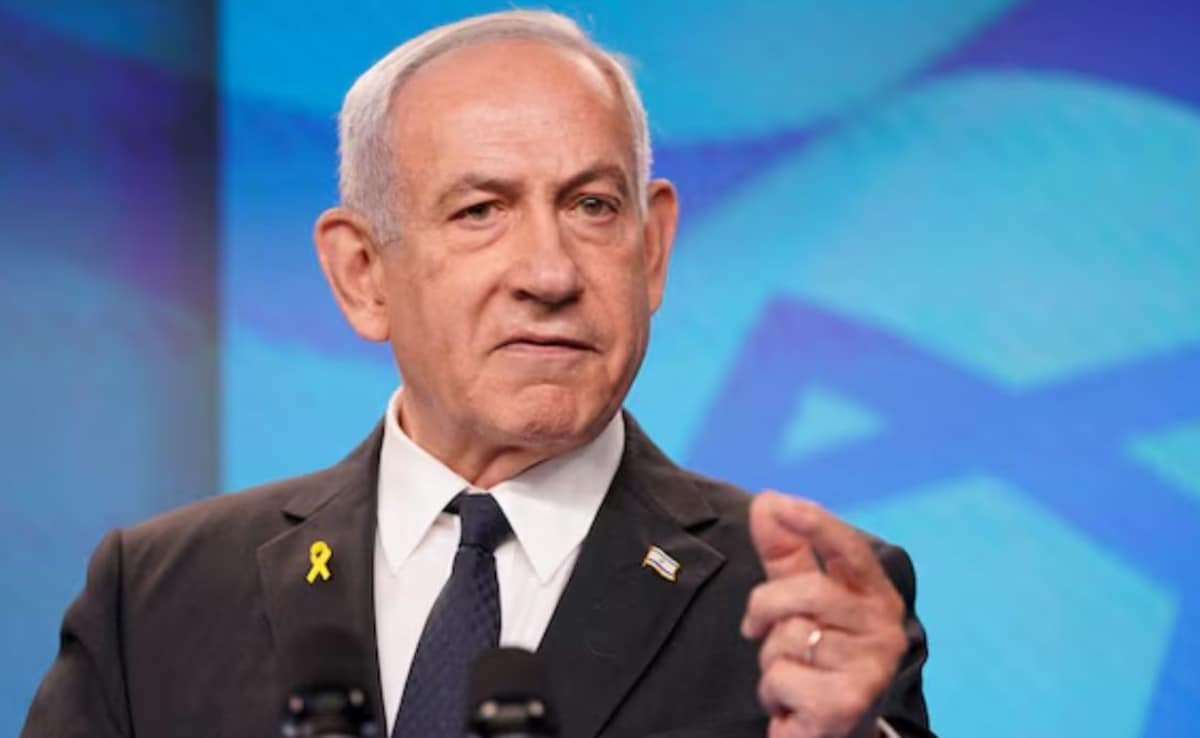
The fog of war usually hides troop movements, but in the Middle East, it’s currently hiding a high-stakes diplomatic shouting match. On Wednesday, Benjamin Netanyahu’s office dropped a bombshell: the Prime Minister supposedly flew into the United Arab Emirates under a veil of total secrecy during the heat of "Operation Roaring Lion"—Israel’s current military campaign against Iran. If you believe the Prime Minister’s Office (PMO), it was a "historic breakthrough." If you believe the UAE, it never happened.
This isn’t just a "he-said, she-said" spat between two allies. It's a window into how the regional power map is being redrawn while missiles are still in the air.
The Mystery Flight to Al Ain
According to the Israeli narrative, Netanyahu met with UAE President Sheikh Mohammed bin Zayed Al Nahyan (MBZ) on March 26. They reportedly huddled for hours in Al Ain, a quiet oasis city far from the glitzy skyscrapers of Dubai. Ziv Agmon, a former PMO spokesperson, didn't hold back on Facebook, claiming MBZ personally drove Netanyahu from the tarmac to the palace.
Then came the hammer blow from Abu Dhabi. The UAE Foreign Ministry called the reports "baseless" and "unfounded." They were blunt. Their message was simple: our relationship with Israel is public, based on the Abraham Accords, and we don't do "under-the-table" deals.
So, who’s lying? Honestly, both sides have plenty of reasons to spin this. Netanyahu needs to show the Israeli public that he isn't isolated, even while fighting a multi-front war. Meanwhile, the UAE is walking a tightrope. They want Israeli security tech, but they don't want to be the primary target for Iranian retaliation.
Iron Dome in the Desert
While the visit itself is being debated, the military cooperation behind it is much harder to hide. US Ambassador Mike Huckabee recently confirmed something massive: Israel has actually deployed Iron Dome batteries on Emirati soil.
Think about that for a second. Israeli soldiers and technicians are currently in the UAE, operating one of the world's most advanced defense systems to protect Gulf infrastructure from Iranian drones.
It’s a massive shift. For years, the idea of Israeli boots—even in a defensive capacity—anywhere in the Arabian Peninsula was a fantasy. Now, it's a necessity. The Wall Street Journal even reported that the UAE carried out its own strikes on Iranian assets, like the Lavan Island refinery, in early April.
Why the Secrecy Matters
You might wonder why the UAE is so adamant about denying a meeting that would seemingly show strength. The answer is simple: Iran.
Tehran is watching. Iranian Foreign Minister Abbas Araghchi already took to X (formerly Twitter) to warn Gulf states that "collusion" with Israel is an "unforgivable gamble." By keeping these meetings "secret" or denying them altogether, the UAE keeps a shred of plausible deniability. They can claim they’re just following the 2020 normalization rules while secretly coordinating air strikes and intelligence sharing with Mossad chief David Barnea.
The Breakdown of the Old Guard
This friction is happening at a time when the old regional alliances are crumbling. Just this month, the UAE officially left OPEC. By walking away from the Saudi-led oil cartel, Abu Dhabi is signaling that it’s looking out for its own interests first.
Israel and the UAE are now tied at the hip, largely due to their shared reliance on the Trump administration’s regional strategy. They’ve moved past the "getting to know you" phase of the Abraham Accords. They’re now in a full-blown military marriage of convenience.
The Real Stakes for You
If you're following this, don't get bogged down in whether Netanyahu actually sat in MBZ’s car. Look at the hardware. Look at the Iron Dome batteries in the desert and the joint intelligence operations. That’s the real story.
- Security is the new currency. The UAE is prioritizing survival over traditional Arab solidarity.
- Israel is no longer a pariah. In the halls of power in Abu Dhabi, Netanyahu is a strategic partner, even if they won't admit it to the press.
- Iran is losing the regional PR war. Despite their threats, the "axis of resistance" hasn't stopped the Gulf from leaning into Israeli defense tech.
Watch the official UAE news agency (WAM) for any "clarifications" in the coming days. If the UAE suddenly announces a new public cooperation agreement, you’ll know the "secret" visit was the real catalyst. For now, keep an eye on the flight paths between Tel Aviv and Abu Dhabi. The radar tells a story that the diplomats won't.