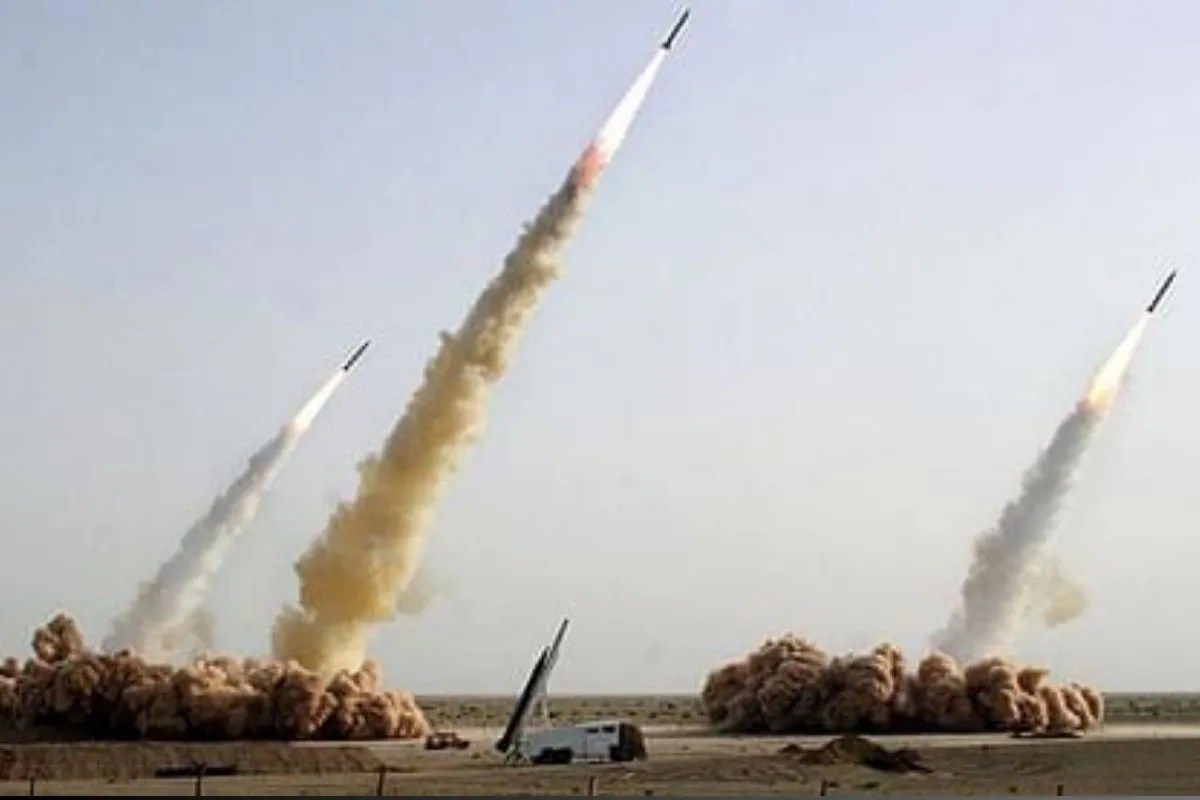
Media outlets panicked when headlines claimed Iran targeted American bases across the UAE and Jordan in a sudden, coordinated strike. Headlines screamed escalation. Analysts predicted immediate global conflict. Mainstream coverage painted a picture of direct, unchecked Iranian aggression pushing the region into total war.
They got it dead wrong.
The standard narrative treats every drone launch and proxy skirmish as a brand-new threat to sovereign nations. That is lazy analysis. What actually unfolded across those desert airspaces was not a dramatic shift in tactical dominance; it was a desperate, highly calculated ritual of political theater designed to signal strength without risking complete self-destruction. Treating proxy harassment as an unprecedented military breakthrough misinterprets modern Middle Eastern doctrine. It misleads the public, inflates threat levels artificially, and plays directly into the propaganda hand of the state actors launching the attacks.
The Mirage of Proxies and the Reality of Strategic Deterrence
Sensational headlines make money by selling panic. They want readers to believe that inexpensive foreign-made drones can instantly dismantle multi-billion-dollar defense networks protecting Western bases.
I have tracked defense posture shifts in regional capitals during periods of high tension. Millions of dollars are routinely wasted because intelligence operators and media mouthpieces react to cheap distractions rather than actual strategic shifts. When news organizations report that an attack in Jordan or the Emirates proves American air defenses are useless, they ignore basic military physics.
An air defense network does not exist to intercept every single piece of low-flying metal; it exists to preserve strategic assets, human life, and strike capability. Drone swarm tactics are designed to force an asymmetry of cost. When a sovereign nation fires a multi-million-dollar interceptor missile to destroy a cheap composite drone loaded with crude explosives, the drone owner wins the financial math even if the target remains untouched.
Calling this a direct, devastating strike on the sovereignty of the UAE or Jordan obscures the underlying reality:
- Proxies operate as sacrificial buffers so state sponsors can deny direct involvement when plans fail.
- Tactical incursions test reaction times, radar blind spots, and interceptor depletion rates, not territorial capture capabilities.
- The geography of defense in the Gulf relies on defense-in-depth, meaning interceptions happen where damage is minimized, not at the precise boundary of national airspace.
By framing these events as unilateral direct strikes rather than calculated friction, mainstream media validates the illusion of power that proxy networks desperately try to project.
Dissecting the False Assumption of Host Airspace Fragility
A major misconception dominating current defense coverage is that host nations like Jordan or the UAE are passive victims caught completely helpless between foreign powers.
This view is profoundly flawed. Host nations choose to host allied forces because it integrates their national defense directly into a global umbrella. Jordan and the UAE are not military bystanders; they maintain sophisticated, layered defense networks and intelligence operations designed specifically to track low-altitude threats long before they reach high-value assets.
When an attack occurs, media commentators immediately ask if host nations can survive the pressure. They ask the wrong question entirely.
The real question is why western audiences keep falling for the myth of regional vulnerability. Jordan's security architecture, for example, is specifically calibrated for border surveillance and interdiction in harsh terrain. The UAE possesses some of the most advanced integrated air and missile defense hardware on Earth. Attacks hitting peripheral structures or falling harmlessly into open desert do not signify system failure; they demonstrate that integrated defense systems prioritize high-value targets over empty terrain.
Consider the operational calculus:
| Aspect | Media Narrative | Operational Reality |
|---|---|---|
| Drone Strikes | Irresistible, cheap super-weapons crushing standard defense networks | Low-cost probes meant to drain missile stockpiles and score PR points |
| Host Nation Status | Helpless victims vulnerable to instant regional collapse | Active security partners using strategic depth to manage regional risk |
| Interception Failure | Total failure of western security shields | Calculated prioritization of high-value defense sectors over open land |
Imagine a scenario where a defense network intercepts every incoming object indiscriminately, regardless of trajectory. Within forty-eight hours, the defense network runs out of interceptor missiles, leaving multi-billion-dollar command hubs completely exposed to actual, high-yield ballistic threats. Indiscriminate defense is gross tactical negligence. What lazy observers view as a breach is often a deliberate system choice to let non-critical threats land in non-critical zones.
The Cost of Overreacting to Cheap Asymmetry
Treating low-cost proxy strikes as world-ending events creates massive policy failures. When military leadership yields to media panic, they spend resources in the worst possible way.
The playbook for dealing with asymmetric regional threats is fundamentally broken because it responds to low-cost harassment with high-cost escalation.
- A cheap drone crosses a border.
- Panic ensues on international news cycles.
- Politicians demand immediate, expensive troop deployments and expensive missile battery relocations.
- The attacking entity spends a few thousand dollars; the defending coalition spends tens of millions reacting.
This cycle drains readiness. The downside to calling out this reality is uncomfortable: it means accepting that small-scale attacks, minimal material damage, and regional noise will continue to happen. It means acknowledging that absolute, zero-risk security in a contested operational theater is a fantasy. Policymakers hate admitting this because voters want absolute guarantees, but pretending guarantees exist only invites strategic exhaustion.
Instead of panicking every time a drone appears on radar, military doctrine must accept low-level noise while ruthlessly protecting critical nodes. The objective is not to eliminate every minor threat; the objective is to make direct military action against core assets so costly that no rational actor attempts it.
The media sold a story of direct regional dominance through cheap strikes. The mechanics prove something else entirely: a noisy, calculated maneuver by an actor that knows a direct, open confrontation against integrated defenses would mean total annihilation. Stop buying the panic.