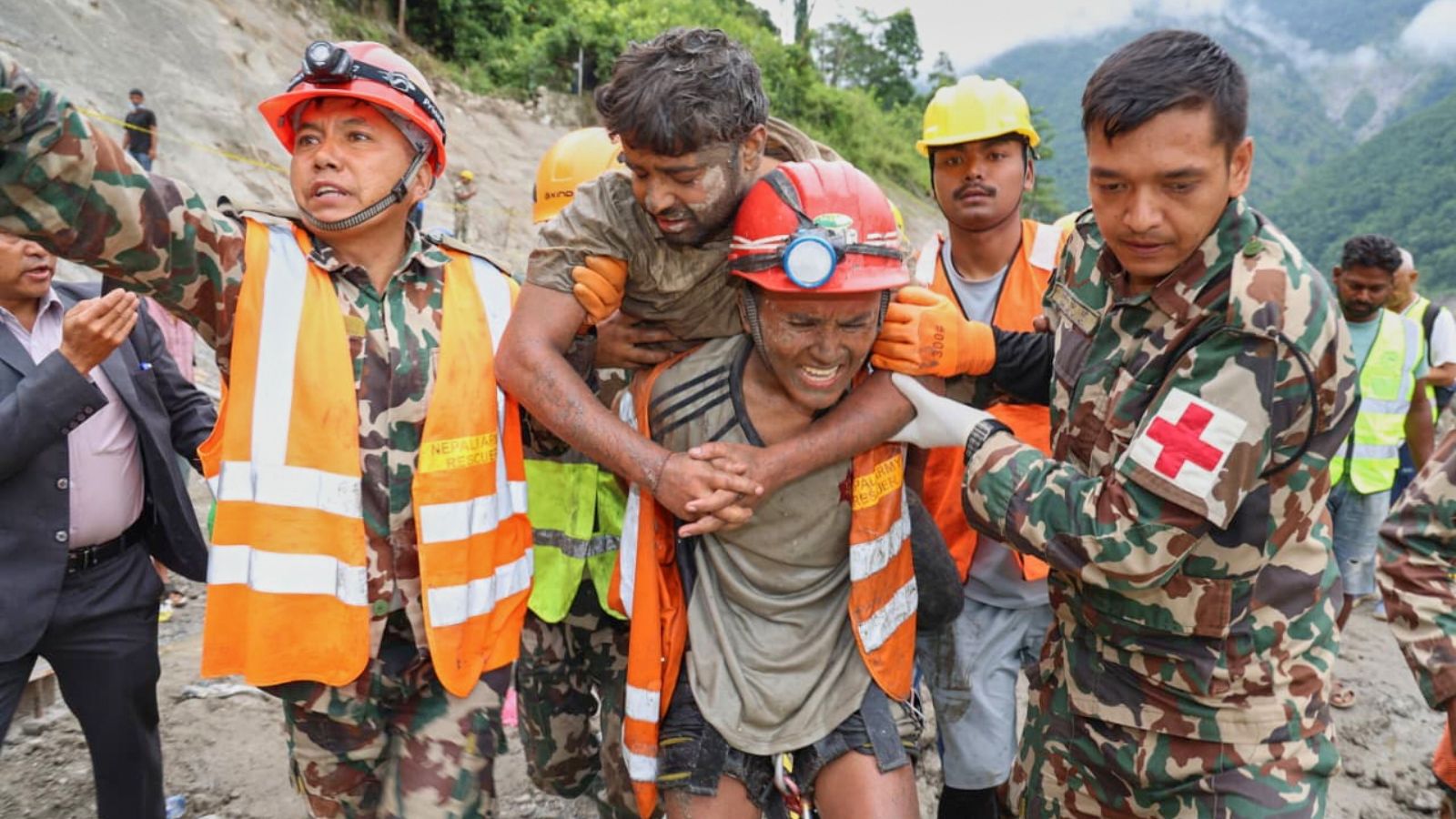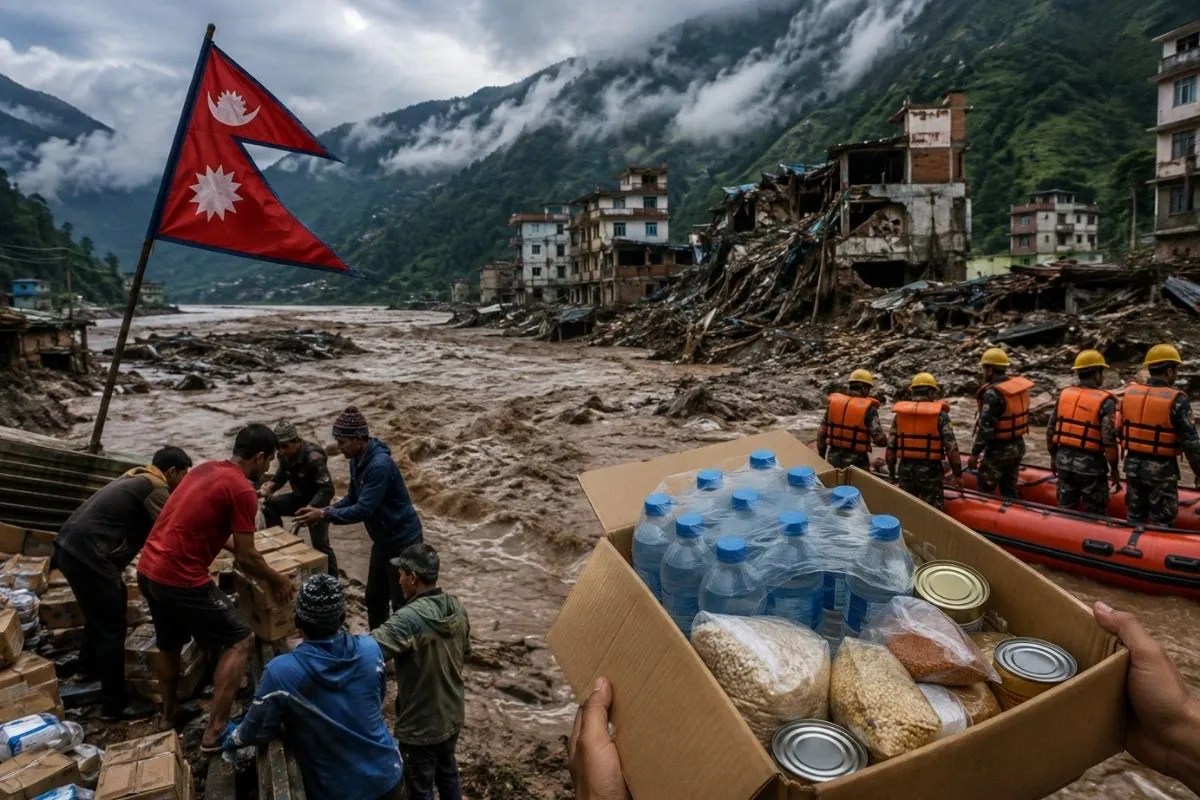
Rescue teams pulled two men alive from a blocked hydropower tunnel in Nepal nine days after catastrophic flash floods struck the region. The disaster, triggered by a glacial collapse near the Nepal-China border, sent massive walls of mud, rock, and water tearing down Himalayan river valleys. Hundreds of workers went missing across multiple project sites, with many feared trapped in vast underground water tunnels.
Then came the breakthrough at the Trishuli 3A hydropower project. Rescuers heard voices calling out from deep within the passage. That moment transformed a grim recovery mission into an active search for survivors.
The Ordeal Inside Trishuli 3A
Sanjay Shah and Kabir Maharjan spent more than a week isolated 170 meters underground. When the flash flood hit on August 26, Shah was working in the facility's control room. Instead of fleeing immediately, he tried to warn others. That delay cost him his clear path to safety as tons of debris sealed the tunnel exits.
To survive the pitch-black darkness, Shah spent his time chanting mantras and conserving his energy. He managed to communicate intermittently with a few nearby coworkers by shouting through the damp chambers.
When military rescue units finally broke through and called inside, Shah's immediate response was a mix of exhaustion and disbelief. His very first question upon emerging into the daylight was simple: "What day is it?"
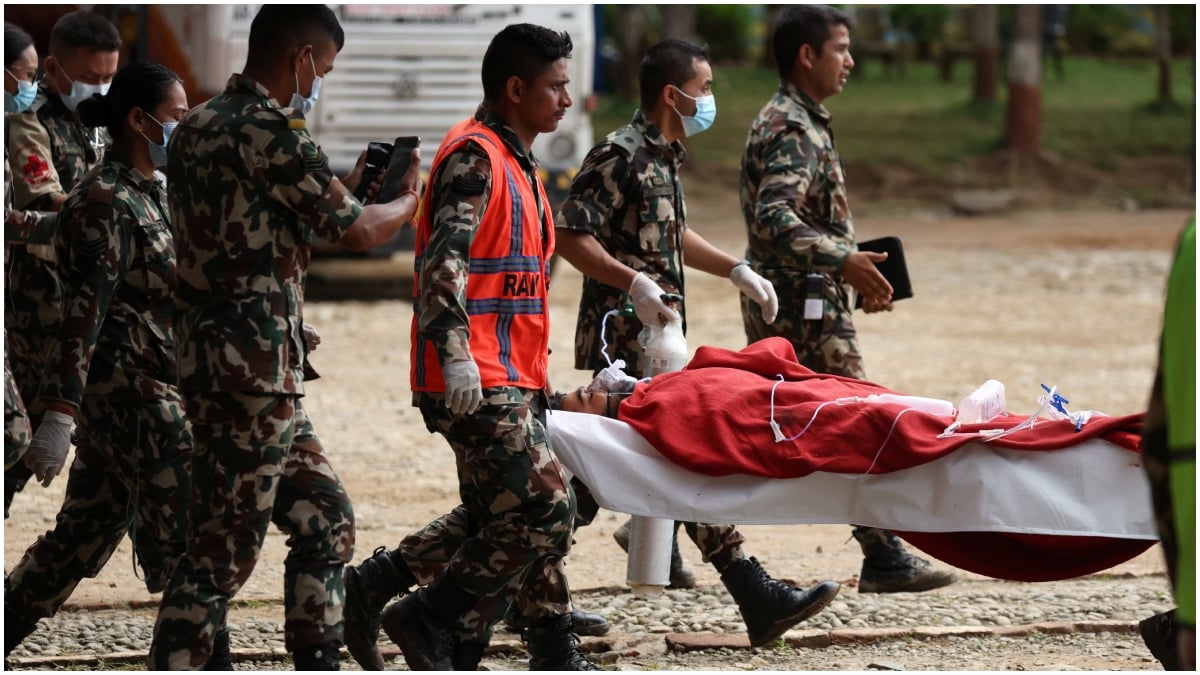
Both men were found in stable condition, covered in mud, and were swiftly evacuated to military and local hospitals for medical evaluation. Their survival points to the presence of vital air pockets trapped inside the massive engineering tunnels, giving authorities a narrow window of hope for others.
The Scale of the Himalayan Crisis
The disaster's toll is staggering. Official figures place the death toll above 1,250 in Nepal alone, with thousands more listed as missing. Twelve different hydropower projects suffered heavy structural damage when the sudden surge swept through.
Working in these environments is brutal. Specialist engineering units, international support teams, and local military personnel have spent days battling unstable slopes, torrential rains, and massive boulders the size of houses. Heavy machinery struggled just to locate the tunnel entrances because thick layers of sludge completely reshaped the landscape.
Engineers note that these specific water tunnels are massive—often large enough to drive trucks through. That structural volume is precisely what saved Shah and Maharjan, creating pockets where breathable air remained trapped long after the floodwaters rushed past.
What Happens Next in the Search Operations
Emergency crews are refusing to slow down. Hearing human voices from deep inside Trishuli 3A has galvanized the teams working across other compromised sites like Rasuwagadhi and Chilime.
Specialized audio equipment, drones, and small bore-hole cameras are being deployed to scan blocked subterranean chambers where dozens of other workers are believed to be sheltered. While the risks of secondary mudslides and tunnel collapses remain dangerously high, the successful extraction of Shah and Maharjan proves that survival is possible even after a week underground.
Families continue to wait outside medical centers and project offices in Kathmandu, holding onto the fragile hope that more pockets of air have kept their loved ones alive. Rescue operations continue around the clock as teams race against time to clear the remaining blockages.