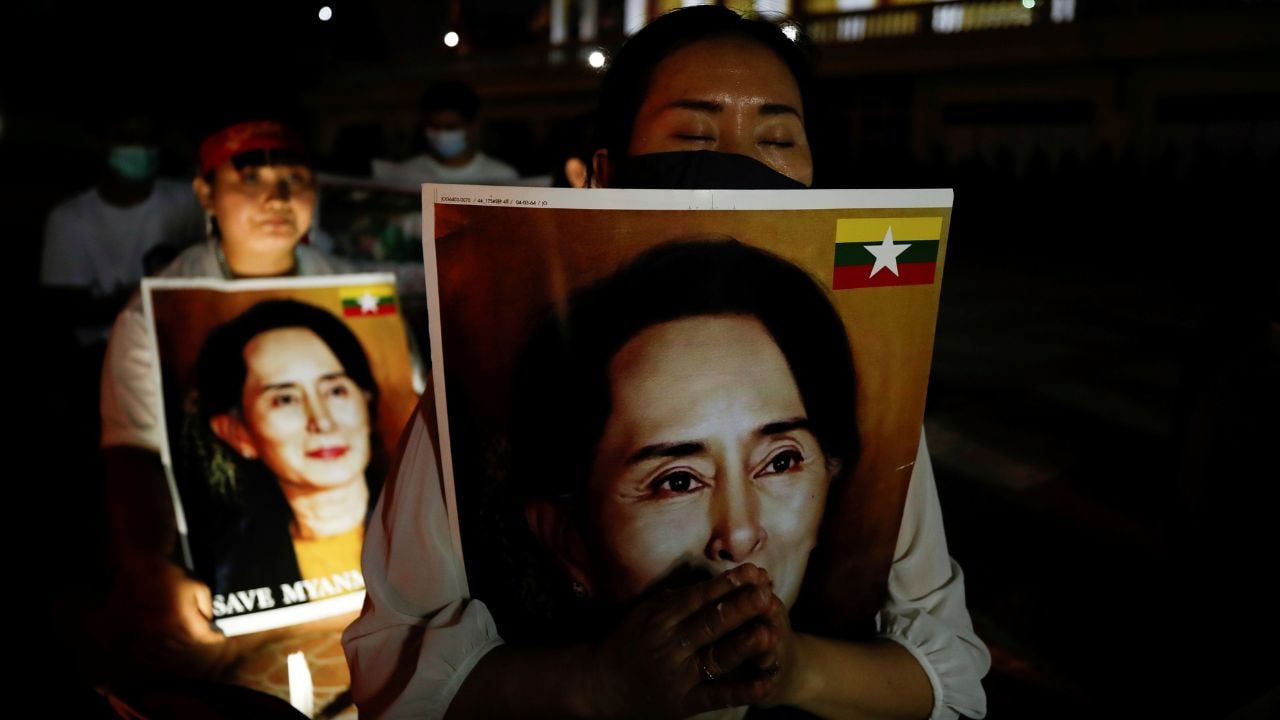
Myanmar's military junta just handed out a "pardon" that feels more like a PR stunt than a legal breakthrough. They've trimmed six years off Aung San Suu Kyi’s massive prison sentence and granted amnesty to former President Win Myint. It sounds like progress if you only read the headlines. It isn't. Suu Kyi still faces 27 years behind bars, and the country remains locked in a brutal civil war that the generals are slowly losing.
I’ve watched this cycle before. The military gets squeezed by international sanctions or loses ground to resistance fighters, so they dangle a few concessions to see if the world bites. This latest move coincided with a religious holiday, a classic timing tactic used to mask political desperation with "mercy."
Suu Kyi was originally hit with a staggering 33 years on charges ranging from corruption to illegally possessing walkie-talkies. The court proceedings were held in secret. No media. No public. Just a military-controlled vacuum. By reducing the sentence to 27 years, the junta hasn't changed the reality that the 78-year-old Nobel laureate is likely intended to spend the rest of her life in custody.
Why the military is moving the goalposts now
The timing here isn't accidental. The State Administration Council (SAC)—that's the official name for the junta—is struggling. They recently extended the state of emergency yet again, admitting they don't have enough control over the country to hold the elections they keep promising. When a regime can't provide security or a functioning economy, they turn to symbolic gestures.
By "freeing" Win Myint and reducing Suu Kyi's time, they're trying to signal a potential opening for dialogue. Don't fall for it. The resistance forces, known as the People's Defense Forces (PDF), along with ethnic armed organizations, have captured significant territory in the north and east. The military is bleeding soldiers and morale. This isn't an act of strength; it’s a plea for a breather.
Most people don't realize how much the internal map of Myanmar has shifted since the 2021 coup. The junta is largely confined to the big cities like Yangon and Naypyidaw. Even there, they aren't safe. Guerrilla tactics and urban bombings have made the generals paranoid. These sentence reductions are a low-cost way to try and appease the Association of Southeast Asian Nations (ASEAN), which has been uncharacteristically firm in barring Myanmar leaders from its summits.
The legal farce and the 19 charges
To understand why a six-year reduction is insulting, you have to look at what they charged her with in the first place. Suu Kyi faced 19 different counts. The military's legal strategy was "throw everything at the wall and see what sticks."
They claimed she accepted gold bars and cash from a former Yangon chief minister. They claimed she violated the Official Secrets Act. They even went after her for how she rented a helicopter. In a real court, these cases would've been laughed out in a day. In Naypyidaw, they served as the foundation for a life sentence.
Win Myint, the former president, saw his sentence reduced by four years. He was originally serving eight. While he's technically "free" from these specific charges, the military has a habit of moving high-profile prisoners to "house arrest" which is just a different kind of cage. It allows the junta to monitor every visitor and control every word they say to the outside world.
Life under the junta in 2026
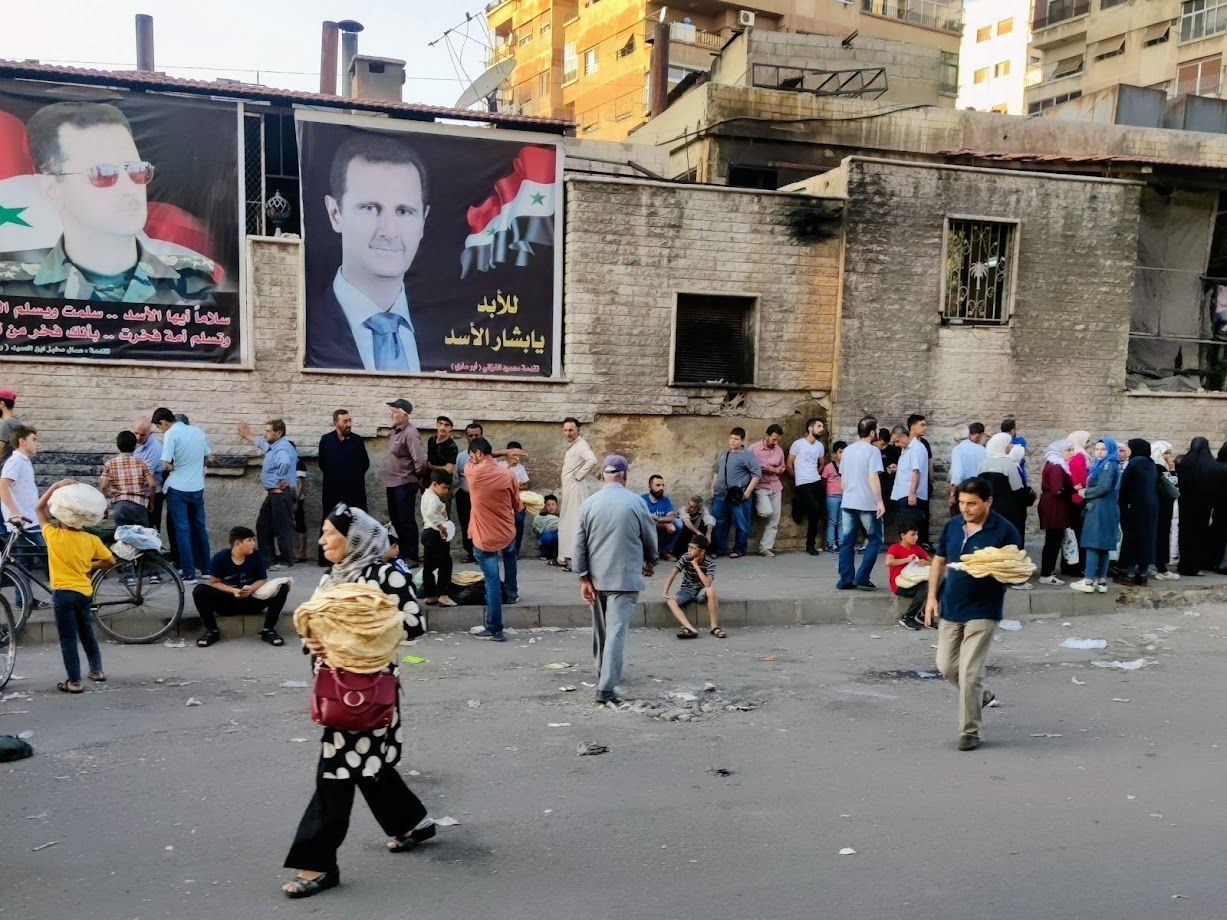
If you're living in Myanmar right now, a headline about a reduced sentence doesn't put food on the table or stop the airstrikes. The kyat (Myanmar's currency) has plummeted. Inflation is out of control. Many young people have fled to the jungle to join the armed resistance because they see no future in a country run by General Min Aung Hlaing.
The resistance isn't just a bunch of ragtag kids anymore. They're coordinated. They're using drones to hit military outposts. They've set up their own administrative systems in "liberated zones." This is why the junta is desperate. They're trying to use Suu Kyi as a bargaining chip, but the genie is out of the bottle. The pro-democracy movement has moved beyond just following one leader; they want a total removal of the military from politics.
What the international community gets wrong
Western governments often react to these "amnesties" with cautious optimism. That's a mistake. Every time a diplomat calls this a "step in the right direction," it gives the junta more time to regroup. The only thing the military respects is leverage.
Sanctions on jet fuel and the banking sector are what actually hurt them. The reduction of a prison sentence for an elderly stateswoman doesn't stop the military from burning villages in the Sagaing region. It doesn't bring back the thousands of people killed since 2021.
We need to stop looking at Myanmar through the lens of "Suu Kyi vs. The Military." That's a 1990s framework. The current conflict is a broad-based revolution. The National Unity Government (NUG), which operates in exile and in hidden pockets of the country, is the entity that actually represents the people's will. They've been clear: no deals with the junta until the military steps back entirely.
What happens next for the resistance
The resistance is likely to ignore this news and keep pushing. They know that if they stop now, the military will just re-arrest everyone the moment the spotlight fades. We've seen this movie before. In 2010, Suu Kyi was released from house arrest to much fanfare, leading to a decade of "semi-democracy" that the military ended the second they felt their power was threatened.
If you want to support the people of Myanmar, don't focus on the junta’s press releases. Focus on the humanitarian aid reaching the borders. Watch the movements of the ethnic armed groups like the Karen National Union or the Kachin Independence Army. They are the ones actually changing the facts on the ground.
The junta is trying to buy time. They're hoping the world gets distracted by other global conflicts and forgets about the 55 million people trapped under their thumb. Reducing a sentence from 33 years to 27 years isn't a reform. It’s a math trick performed by a regime that's running out of options.
Keep an eye on the border trade routes. If the resistance continues to seize customs gates and trade hubs, the junta's ability to pay its soldiers will vanish. That's when we'll see real change, not when a general signs a piece of paper on a holiday. Stop waiting for the military to play fair and start recognizing that the old status quo is dead. The path forward for Myanmar isn't through a negotiated sentence reduction; it’s through the total dismantling of the military's grip on the state.
Watch the drone footage coming out of the border states. That's where the real news is happening. The generals are scared, and they should be.