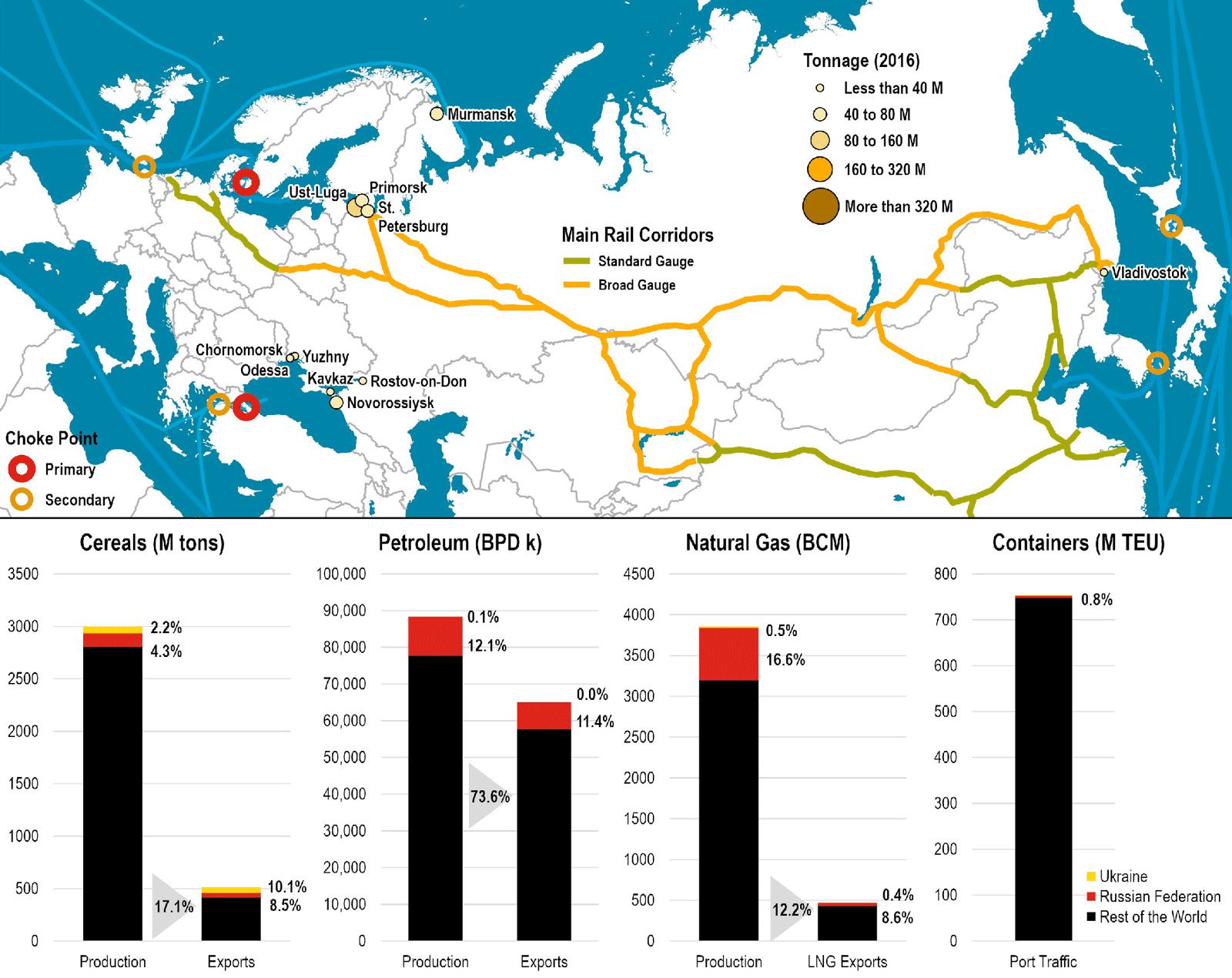
The Strait of Hormuz is a narrow stretch of water that keeps the global economy breathing. It's a choke point. If things go sideways there, your fuel prices at the local pump spike by morning. That’s why the Indian Navy doesn't just sit back and watch. When you hear that the Indian Navy deploys warships for safe passage of Indian vessels in the Strait of Hormuz, it’s not just a routine drill or a show of force. It’s a survival tactic for India’s energy security.
I’ve followed maritime security long enough to know that "safe passage" is often code for "preventing a total economic meltdown." India imports roughly 80% of its oil. A huge chunk of that flows right through this tiny needle’s eye between Oman and Iran. Operation Sankalp, the mission name for these deployments, started back in 2019 after tankers were targeted in the Gulf of Oman. It hasn't stopped since. The Navy isn't just loitering; they're actively escorting tankers and communicating with every Indian-flagged vessel that enters the danger zone.
Why the Strait of Hormuz is a constant headache for Delhi
Geopolitics in the Middle East is messy. You have Iran on one side and the US-aligned Gulf states on the other. When tensions rise between Washington and Tehran, the Strait becomes a chessboard. India usually tries to play both sides, but when its own merchant ships are at risk of being caught in the crossfire—or seized as leverage—neutrality isn't enough. You need steel in the water.
The Indian Navy’s presence serves two purposes. First, it’s a deterrent. Piracy is one thing, but state-sponsored interference is a different beast. Having a stealth frigate or a destroyer nearby makes anyone think twice before boarding a ship. Second, it provides psychological comfort to the crew. Imagine being a merchant sailor on a slow-moving tanker while drones and fast-attack boats buzz around. Seeing the Tricolour on a warship nearby changes the whole vibe on the bridge.
Inside Operation Sankalp and the daily grind at sea
This isn't a one-and-done mission. It’s a continuous rotation. The Navy typically sends its frontline assets—ships like the INS Trikand or INS Sumedha. These vessels aren't just there for looks. They come packed with advanced sensors, helicopters for rapid response, and elite commandos.
The Information Fusion Centre – Indian Ocean Region (IFC-IOR) in Gurugram acts as the brain for these operations. They track every movement. If a ship reports suspicious activity, the warship on station is already moving before the distress call is even finished. It’s a high-stakes game of maritime chess. Most people don't realize that the Navy has escorted thousands of ships and millions of tonnes of cargo through these waters over the last few years.
The shift from piracy to drone warfare
The threat has changed. Ten years ago, we worried about Somali pirates in skiffs. Today, the threat is a suicide drone or a "loitering munition" launched from hundreds of miles away. The Strait of Hormuz is becoming a laboratory for cheap, asymmetric warfare.
This change forced the Indian Navy to upgrade its tech on the fly. You can’t fight a $20,000 drone with a multimillion-dollar missile every time; it’s not sustainable. They’re using electronic warfare suites and close-in weapon systems to create a "bubble" around the merchant ships they protect. It’s exhausting work for the crews. They spend weeks in high-heat, high-tension environments, often without stepping foot on land.
India is no longer just a spectator
For decades, India relied on the US Navy to keep the sea lanes open. Those days are over. Delhi realized that if you want your interests protected, you have to do it yourself. This shift toward "Preferred Security Partner" status in the Indian Ocean is a massive leap in foreign policy.
When the Indian Navy deploys warships for safe passage of Indian vessels in the Strait of Hormuz, they send a message to the world. They’re saying that India has the reach and the will to protect its citizens and its economy far from its own shores. It’s about "strategic autonomy." You don't want to beg a superpower to protect your oil when you have the 4th strongest military on the planet.
Mistakes people make when talking about maritime security
One common mistake is thinking this is an act of aggression against Iran or any other neighbor. It’s actually the opposite. The Navy maintains a very professional, non-confrontational stance. They aren't there to start a war. They’re there to ensure the "freedom of navigation." That’s a fancy way of saying ships should be allowed to go from point A to point B without getting blown up or hijacked.
Another misconception is that this is only about oil. It’s also about the millions of Indian expats living in the Gulf. If the Strait closes, the logistics of a mass evacuation become a nightmare. Keeping the lanes open keeps the lines of communication and supply clear for Indian citizens working in the region.
The logistics of a long-term deployment
You don't just point a ship toward the Gulf and hope for the best. The logistics are insane. You need fuel, food, and spare parts. You need constant satellite links. The Navy uses its own dedicated satellite, GSAT-7 (Rukmini), to stay connected with the naval headquarters.
They also work with international partners. While India often operates independently under Operation Sankalp, they keep an eye on what the Combined Maritime Forces (CMF) and other international task forces are doing. It’s a crowded neighborhood. Knowing who else is in the water is half the battle.
What happens if a ship actually gets seized
We’ve seen it happen. When the MSC Aries was seized recently, it had Indian crew members on board. In these moments, the Navy’s role shifts from patrol to diplomacy and potential rescue. The presence of warships nearby gives Indian diplomats a much stronger hand at the bargaining table. It’s much harder to ignore a country when their destroyers are parked right outside your front door.
Realities of the Persian Gulf environment
The Persian Gulf is one of the harshest places to operate a machine. The salinity is high, which eats through metal. The heat is brutal, often hitting 45°C or higher with 90% humidity. Air conditioning systems on these ships work overtime just to keep the electronics from frying.
The sailors don't get much credit for this. They’re living in a floating tin can in a furnace, watching radar screens for hours on end. It takes a specific kind of mental toughness to stay sharp in those conditions. Every blip on the radar could be a fishing boat or it could be a threat. There’s no room for "my bad."
Your next steps to stay informed
If you want to understand the real impact of these deployments, stop looking at just the headlines. Start tracking the price of Brent Crude oil alongside maritime incidents in the Middle East. You’ll see a direct correlation.
You should also look into the Indian Navy's official social media channels. They often post photos and updates on "Mission Based Deployments." It’s the best way to see the actual scale of the operation without the filter of mainstream media. Check the Ministry of External Affairs briefs after any major incident in the Strait. They usually highlight how the Navy's presence facilitated the release of sailors or the safe movement of cargo.
Understanding this sea power shift is key to knowing where India stands in the new world order. The Indian Navy is the guardian of the nation's energy arteries. Without them, the lights go out. Stay updated on maritime security reports from the International Maritime Bureau to see how these deployments actually lower the risk ratings for Indian shipping. It saves the country millions in insurance premiums alone.