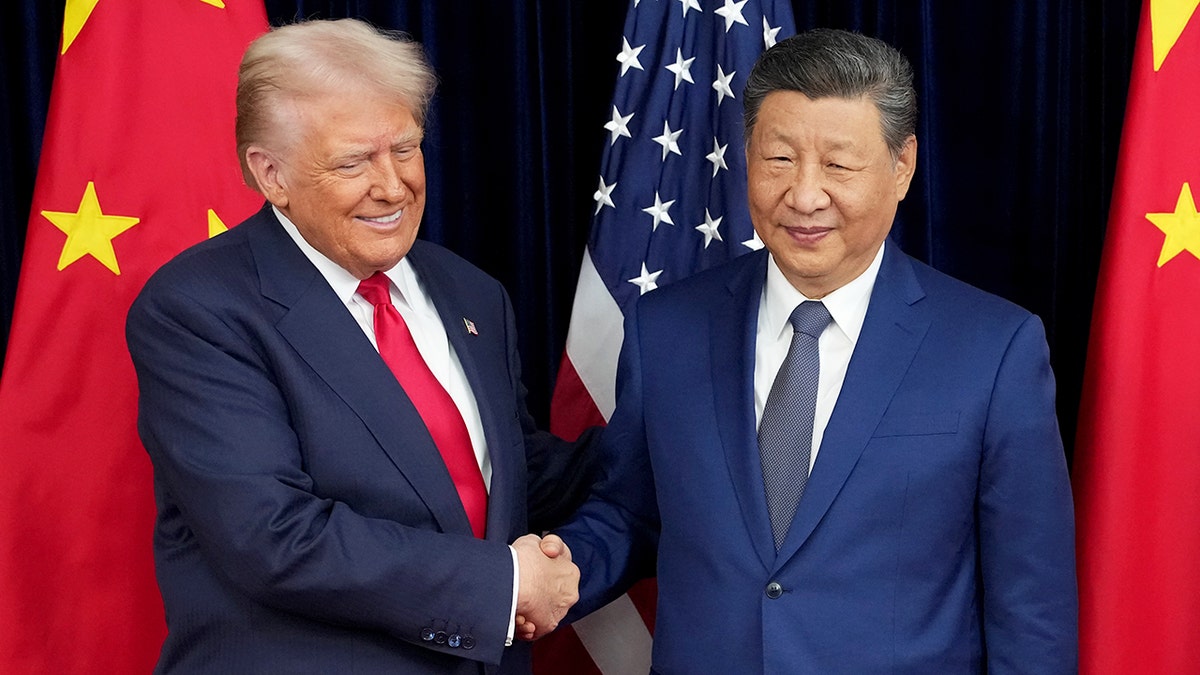
Don't let the red carpets and the $250 billion headline figures fool you. After two days of high-stakes pageantry in Beijing, the reality of Donald Trump’s trade mission is finally leaking out from the Chinese side. China’s commerce ministry just hit the brakes on the hype, calling the series of agricultural, aircraft, and tariff agreements "preliminary." In plain English? They’re non-binding promises, not signed contracts.
If you’re looking for a concrete victory for American manufacturing or a sudden end to the trade deficit, you’re going to be waiting a long time. This wasn't a finished deal. It was a sophisticated photo op where both sides shook hands on things they might do later, if the mood stays right.
The gap between rhetoric and reality
Trump walked through the gardens of Zhongnanhai claiming he’d settled problems other people couldn't solve. He talked up a "fantastic" relationship with Xi Jinping. But as soon as he hopped on Air Force One, Beijing’s tone shifted. The Chinese Commerce Ministry released a statement on its website that was carefully worded to lower expectations.
They’ve agreed to set up an investment board and a trade board. That’s government-speak for "we’ll talk about talking." While Trump touted a sale of 200 Boeing jets, the Chinese side won't confirm a timeline. They’re calling these "arrangements" rather than sales. Analysts who’ve watched these summits for decades know this game. You pile up every potential deal from the last three years, put them in a single folder, and announce a giant number to win the news cycle.
What China actually agreed to do
Beijing isn't giving anything away for free. Their interest in these "preliminary" deals is hyper-specific. They want the U.S. to stop the automatic detention of Chinese dairy and aquatic products. They want to export bonsai trees in growing media. They want the U.S. to recognize Shandong province as free of avian flu so they can ship poultry.
These are tiny, tactical wins for China. In exchange, they’ve offered vague assurances about buying more American beef and soybeans. But there are no volumes listed. No dates. No price tags. It’s a "we’ll see" approach that leaves them total flexibility to walk away if the U.S. doesn't play ball on bigger issues like tech transfers or South China Sea posturing.
The Boeing problem
The jet deal is the perfect example of how these numbers get inflated. Trump claimed 200 planes. That sounds massive. But the industry expected 500. More importantly, we don't know how many of these "new" orders were actually just re-announcements of deals Boeing had already inked months ago. China uses its massive state-run buying power as a political carrot. They dangle the aircraft orders when they want to keep a president happy, but the actual delivery of those planes depends on the "reciprocal" tariff reductions mentioned by the ministry.
Why this isn't the win you were told
A lot of people think these summits change the structural nature of global trade. They don't. The real issues—China’s industrial subsidies, the theft of intellectual property, and the massive trade gap—weren't solved in a rose garden walk.
- The deals are MOUs: Most of these are Memorandums of Understanding. They aren't legally enforceable.
- China’s "Timetable": Xi Jinping made it clear that China will open its markets on its own schedule. He isn't being forced into anything.
- The $250 billion is a mirage: Much of that figure comes from long-term energy projects, like the Alaska LNG pipeline, which might take a decade to build and may never actually happen if gas prices shift.
You shouldn't expect your local grocery store prices to drop or factory jobs to reappear in the Midwest based on this trip. It was a diplomatic "reset" designed to lower the temperature, not a fundamental restructuring of the world's two largest economies.
What you should watch next
If you want to know if these deals are real, stop listening to the speeches and start watching the boards. The newly formed Board of Trade and the Investment Board are where the actual work happens. If those boards don't meet in the next 90 days, the $250 billion figure is dead in the water.
Keep an eye on the "non-tariff barriers." China loves to promise to buy American goods and then use "safety inspections" or "licensing delays" to make sure those goods never actually enter the country. Until the first shipment of U.S. poultry actually clears a Chinese port without a hitch, these deals are just ink on paper.
Don't buy into the "mission accomplished" narrative. We're in a long-term competition, and this week was just one round of shadowboxing. If you’re an investor or a business owner, treat these announcements as signals of intent, not guaranteed revenue. The smart move is to wait for the Chinese Ministry of Finance to issue actual purchase orders. Until then, it’s all just preliminary.