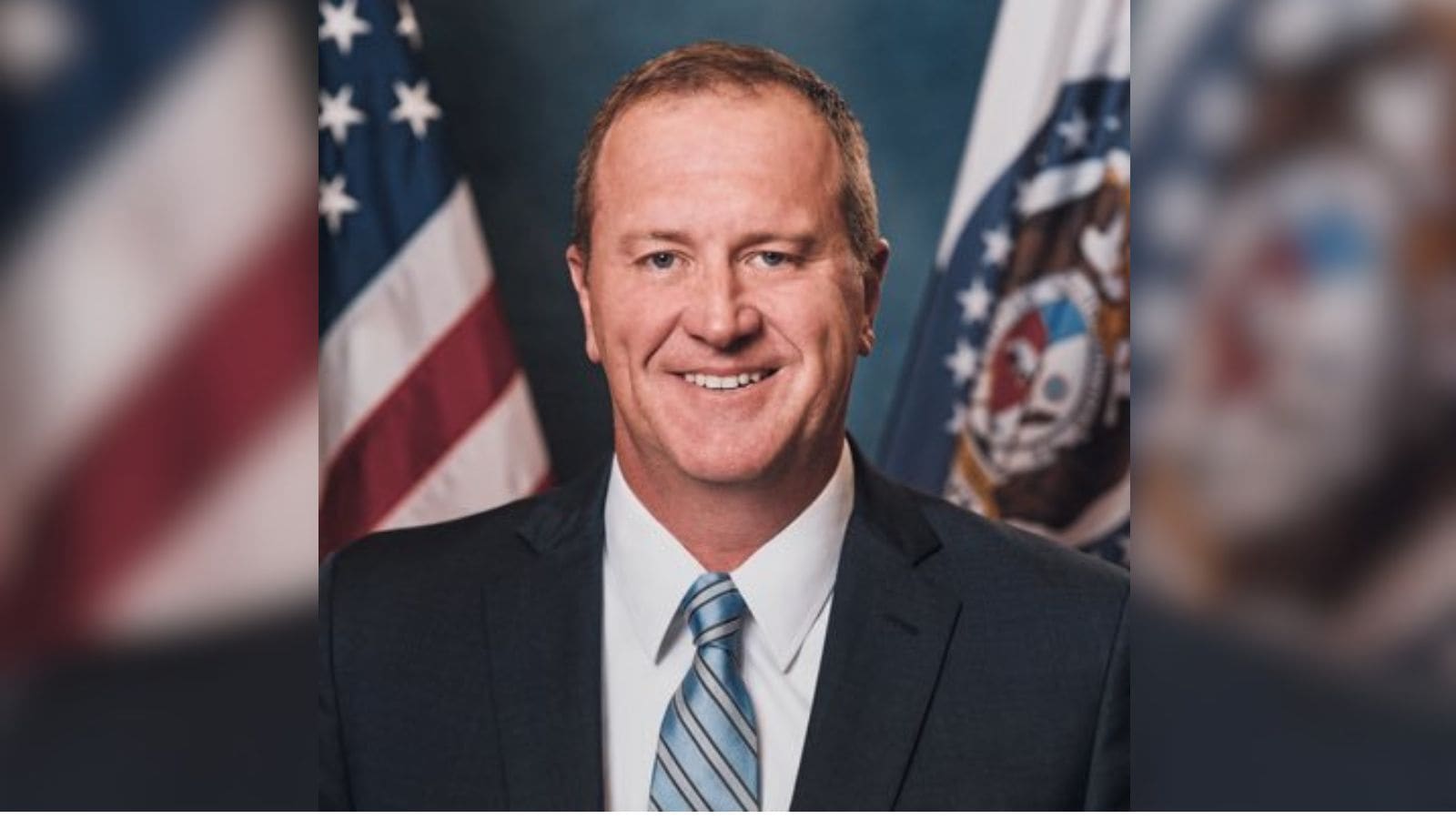
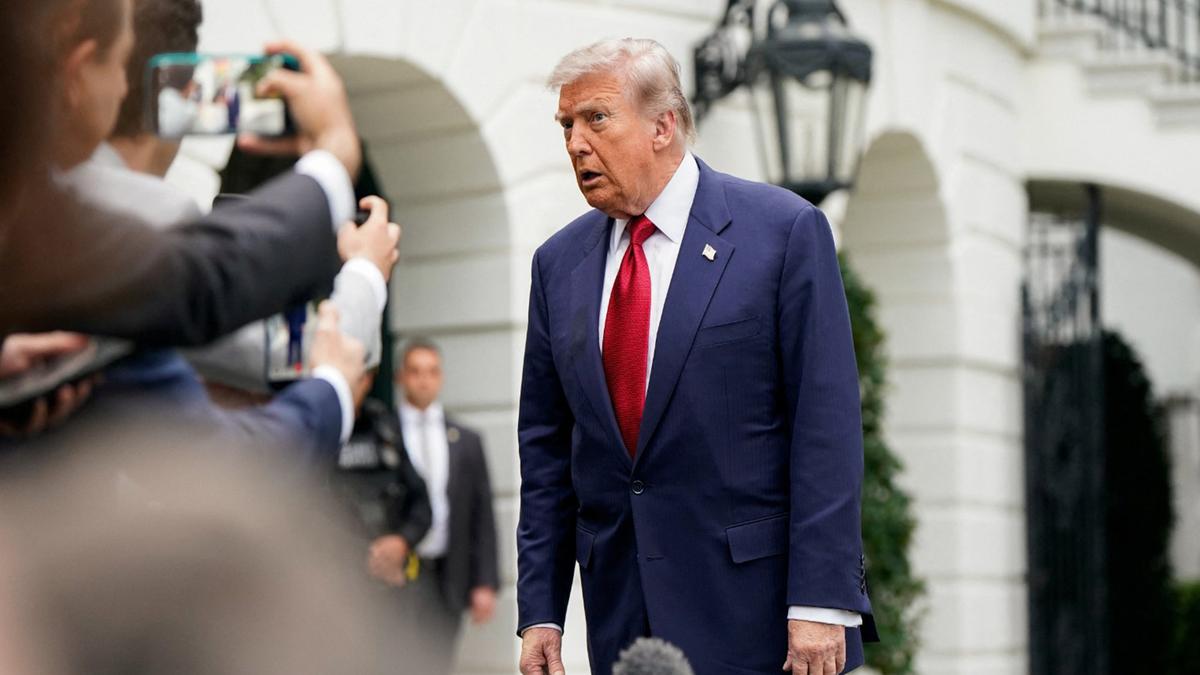
Jensen Huang was on Air Force One. That’s a sentence nobody expected to read a few years ago. The CEO of Nvidia, the man behind the $5.5 trillion AI hardware empire, hitched a ride with President Trump to Beijing this week. If you’re looking for a sign of how high the stakes are for the semiconductor industry, that's it.
Investors caught a whiff of optimism and sent Nvidia’s stock up over 4% on the news. The rumor mill was spinning: maybe a grand bargain was finally on the table. Maybe the U.S. would loosen the leash on chip exports, and China would start writing those massive checks for H200 GPUs again.
But once the motorcades cleared and the press conferences wrapped up, the reality on the ground looked a lot messier. The "stability" everyone’s talking about is thin ice, and for Nvidia, the road back to Chinese dominance is blocked by more than just Washington's export rules.
The H200 Standoff
You’ve probably heard that the U.S. Commerce Department finally blinked. They’ve cleared Nvidia to sell the H200—the second-most powerful chip in their arsenal—to ten specific Chinese tech giants, including Alibaba, Tencent, and ByteDance. On paper, this looks like a massive win. Each of these companies can reportedly buy up to 75,000 chips.
There’s just one problem. Not a single chip has moved.
The hold-up isn't coming from the U.S. side anymore. It’s coming from Beijing. While Jensen Huang was busy talking up "good relationships" on state television, the Chinese government was reportedly "guiding" its domestic tech firms to pause their orders.
China doesn't want to be dependent on American silicon anymore. They've seen how easily the tap can be turned off. Every time the U.S. changes its export criteria—shifting from a "presumption of denial" to "case-by-case review"—it just reinforces Beijing's desire to go it alone. They’re betting on their own players, like Huawei and DeepSeek, to bridge the gap.
Trump's New Tech Playbook
Trump’s approach to China in 2026 isn't a carbon copy of his first term. It's more transactional and, frankly, weirder. The administration has basically started treating chip licenses like a revenue stream.
There’s a new 25% revenue-share requirement on these exports. Think about that. The U.S. government wants a cut of the profits from every chip Nvidia sells to China. On top of that, there’s a mandate that the chips have to transit through U.S. territory for "security verification" before they can even head to a Chinese port.
It’s a logistical nightmare. For a company like Nvidia, which thrives on a high-speed global supply chain, this is like trying to run a sprint while wearing lead boots.
- Security Audits: Buyers have to prove "sufficient security procedures" to ensure chips aren't used for military AI.
- Inventory Checks: Nvidia has to certify that selling to China won't divert capacity from U.S. customers.
- The "Golden Share" Mentality: The U.S. government is increasingly acting like a partner in these tech firms, not just a regulator.
Basically, the U.S. is saying, "You can sell the chips, but we’re going to watch every handoff and take a quarter of the cash." It’s no wonder Beijing is hesitant to sign off on their end.
The $50 Billion Hole
Jensen Huang has been blunt about the cost of this conflict. He’s called China a $50 billion opportunity. Before the export bans really started biting, Nvidia owned 95% of the advanced chip market in China. That’s gone.
By his own admission, Nvidia’s market share for its top-tier AI silicon in China recently hit zero. While the rest of the world is screaming for GPUs to power LLMs, the Chinese market is becoming a fortress.
The danger for Nvidia isn't just lost revenue this quarter. It’s the "Sputnik moment" they've forced upon China. When you tell a superpower they can't buy your tech, they don't just give up; they build their own. Huawei’s Ascend chips might not be as fast as an H200 today, but they're getting better. And more importantly, they’re available.
Why the Summit Didn't Change the Math
The Trump-Xi meeting was about managed competition, not a return to the old ways of open trade. They agreed to an "uneasy economic truce" to keep rare earth exports flowing and to keep tariffs from spiraling even further out of control.
But AI is the new nuclear race. Neither side is going to give up an inch of ground. Trump wants to keep the best tech in America; Xi wants to make sure China isn't vulnerable to a U.S. kill switch. Nvidia is caught in the middle of two giants who are smiling for the cameras but sharpening their knives under the table.
The Local Rivalry is Real
If you think Chinese tech firms are just waiting around for U.S. permission, you haven't been paying attention. Companies like DeepSeek have been very public about their shift toward domestic hardware.
- Software Ecosystems: China is pouring billions into software stacks that make it easier to run AI models on non-Nvidia hardware.
- Foundry Capacity: Even if they can't get the latest 3nm or 2nm processes from TSMC, they're getting incredibly creative with older tech.
- National Pride: Using "homegrown" silicon has become a matter of survival for Chinese CEOs who don't want to get caught in the next round of sanctions.
Nvidia still has the best hardware in the world. Nobody disputes that. But "best" doesn't matter if you aren't allowed to deliver the product, or if the customer is too scared to buy it.
What’s Next for Investors
Don't let the summit photos fool you. The "breakthrough" everyone’s waiting for is still a long way off. Nvidia is going to continue to dominate the global AI market because Microsoft, Google, and Meta have bottomless pockets and a desperate need for speed.
However, the China revenue stream is no longer a sure thing. It’s a series of "maybe" deals tied to the whims of two presidents.
If you're holding Nvidia, watch the delivery numbers, not the license approvals. Until those 75,000 H200s actually land in a data center in Shenzhen, the "China recovery" is just a story. The reality is a fractured world where the tech stack is being split down the middle.
Stop waiting for a return to 2019. It’s not happening. The future for Nvidia in China is a slow, bureaucratic grind where every sale is a political negotiation. If you want to see where the real growth is, look at the $725 billion being spent by U.S. hyperscalers. That’s where the money is. China is now a high-risk, high-complexity side quest.
Nvidia's Jensen Huang discusses the China market
This video provides a direct look at the reporting surrounding Jensen Huang's trip to China and the specific hurdles facing the H200 chip deliveries.