Secret service details don't usually involve catering trucks, but a high-stakes exit from a NATO summit last month changed the rules. Intelligence warnings about a potential Iranian assassination threat forced a hidden security operation that kept reporters and even staff in the dark.
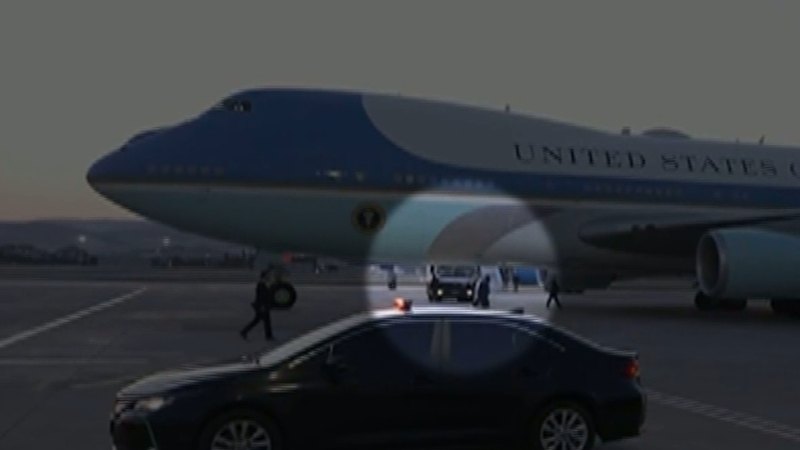
President Donald Trump didn't fly out of Turkey on the plane everyone thought he was on. Instead, a classic aviation ruse turned the legacy Air Force One into a high-profile decoy while the president slipped away on a smaller military jet.
The Anatomy of a Covert Flight Switch
The operation unfolded on July 8 following a NATO summit in Ankara. Just hours earlier, the United States had resumed military strikes against Iran, heightening security alerts across the region.
Trump publicly walked up the stairs and boarded the traditional blue-and-white Boeing 747 in front of waiting television cameras. He had previously told reporters he was taking the older aircraft "for old time's sake" rather than a newly modified Boeing 747-8 gifted by Qatar.
It was all theater.
Minutes after stepping inside, Trump and a small cluster of close aides moved through an alternate door on the opposite side of the aircraft. They climbed into an elevated airport catering truck. The hydraulic lift vehicle transported the president directly across the tarmac to a waiting U.S. Air Force C-32A.
The Unwitting Decoy Passengers
While Trump flew toward Britain on the smaller military transport, more than 100 people remained aboard the primary jet. This group included White House staff, defense officials, and the traveling press pool.
They had no idea the president wasn't on board.
Flight instructions added to the deception. Staff members told journalists to keep their window shades closed for the entire duration of the flight. When reporters later questioned the unusual order, they were left in the dark about the real reason behind it.
Defense Secretary Pete Hegseth also boarded the C-32A separately using external stairs, blending into the background to make the secondary flight look like standard administrative travel. Both aircraft eventually landed in the United Kingdom within minutes of each other, allowing Trump to seamlessly rejoin the public itinerary and greet troops.
Security Realities and Fallout
When investigative reports broke down the details of the operation, critics immediately raised questions about ethics and safety. Lawmakers pointed out the bizarre nature of using a commercial press pool and staff as unwitting decoys on a flight deemed too risky for the commander-in-chief.
Trump later defended the move in public remarks, noting that he simply follows the directives of the Secret Service and the military. He argued that the aircraft he actually traveled on faced a higher risk profile because hostile actors would naturally target the plane carrying him.
The incident highlights the immense security pressures surrounding high-level international travel in active conflict zones. Protection details routinely trade transparency for operational security when intelligence indicates credible threats.
Check your travel advisories and stay informed on global defense shifts by monitoring official updates from security agencies and defense briefings.