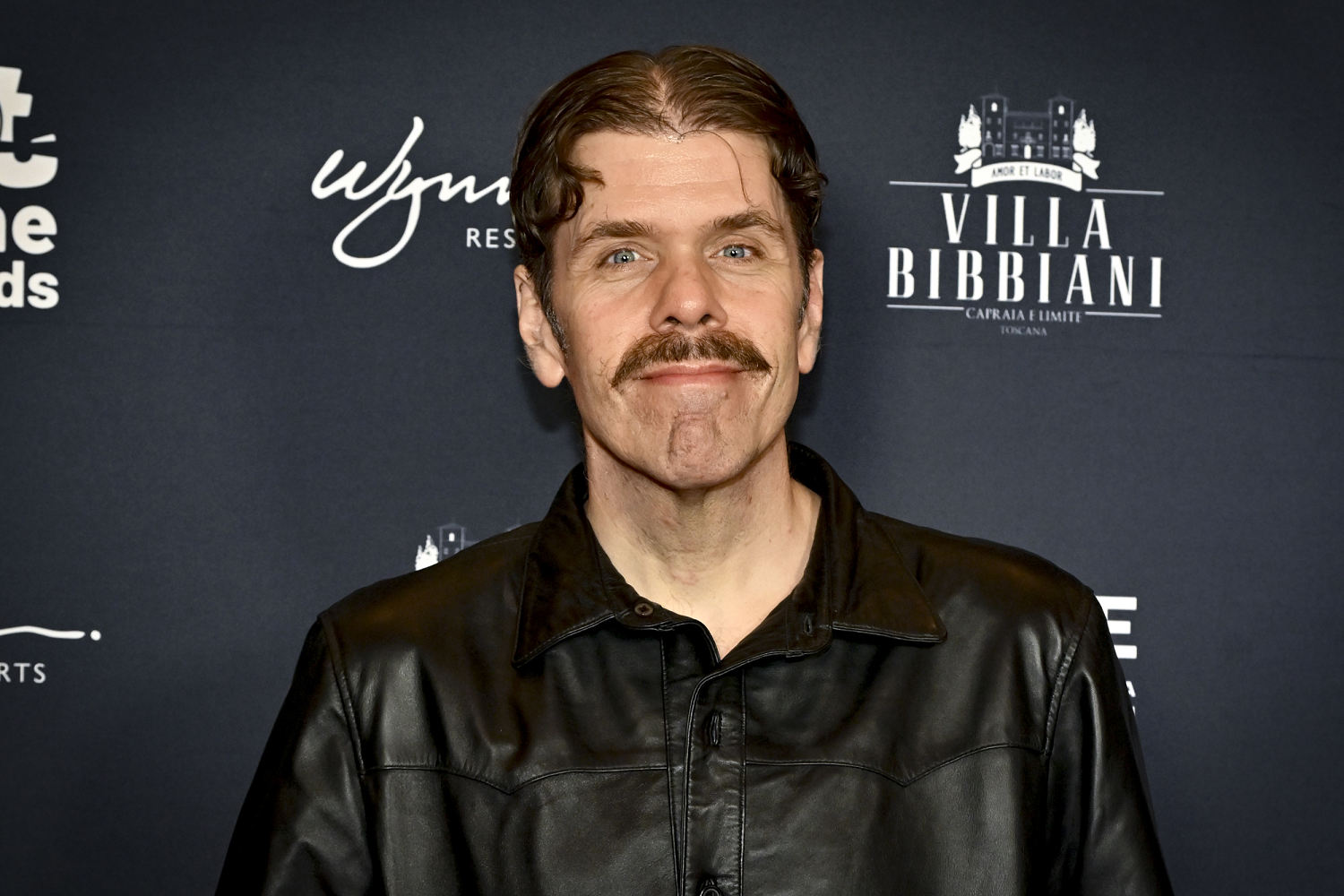
Rosie O'Donnell recently suggested that Donald Trump inadvertently made her "re-famous" following their decades-long public feud, reviving a cultural collision that defined early 2000s tabloid media. This claim brings to light a much larger mechanics of attention economy survival. Long before social media algorithms optimized outrage, two formidable personalities weaponized cable news headlines and talk show monologues to sustain cultural relevance. The long-running public dispute between the comedian and the politician was never merely a personal vendetta. It was a masterclass in modern publicity.
Decades ago, the rules of celebrity survival relied on magazine covers and late-night television couches. When the conflict between the television host and the real estate mogul erupted, it provided an ongoing narrative arc that entertainment journalism craved. Media analysts often misread these high-profile spats as accidental outbursts. In reality, they functioned as closed-loop ecosystem generators. Every counter-punch fed the news cycle, turning personal grievances into enduring currency.
The Genesis of a Cable News Spectacle
The friction began long before the political ambitions crystallized on a reality television set. During the mid-2000s, O’Donnell used her platform on The View to critique Trump's business practices, his handling of the Miss USA pageant, and his public persona. Trump responded with characteristic venom, labeling her various derogatory terms across morning news programs and early Twitter iterations.
This was the golden age of tabloid journalism, where print magazines still commanded high newsstand sales and cable news was discovering the financial power of round-the-clock punditry. Neither participant suffered from the exposure. In fact, both capitalized on the polarization.
O'Donnell's critiques positioned her as a populist truth-teller within daytime television, while Trump burnished his image as a scrappy fighter unwilling to take criticism lying down. The media fed on the friction. Ratings surged whenever either name crossed the other's lips.
The Economics of Permanent Conflict
Why do feuds endure for decades? The answer lies in audience fragmentation. As traditional television viewership began its slow decline, maintaining public attention required constant escalation.
- Conflict acts as an anchor. When public figures lock themselves into a permanent state of opposition, they secure a permanent spot in the news rotation.
- Polarization builds loyalty. Audiences rarely stay neutral. Fans of one figure automatically reject the other, creating hardened demographics that advertisers and networks rely upon.
- Nostalgia monetizes history. Years later, revisiting the feud triggers collective memory, pulling aging demographics back into the media fold for retrospective interviews and podcast appearances.
When O'Donnell remarks that the conflict kept her name circulating through cultural memory, she points to an undeniable truth of the modern attention economy. Relevance is difficult to maintain through quiet competence. Loud opposition cuts through the noise.
How the Media Machine Manufactured the Rivalry
The relationship between the tabloid press and public figures operates on a symbiotic contract. Journalists needed daily drama to fill morning broadcasts and afternoon gossip columns. O'Donnell and Trump provided a reliable narrative engine.
Consider the cadence of the escalation. A comment made on a Monday morning talk show would receive a phone-in response on a financial news network by Tuesday afternoon. Wednesday print editions would feature dueling quotes, and Thursday morning cable roundtables would analyze the psychological underpinnings of the feud. By Friday, publicists had secured fresh interview bookings for both parties.
This cycle was entirely predictable, yet consumers engaged with it as if every development were an unscripted emergency. The public forgot that both individuals understood the machinery of television better than almost anyone else in their respective fields.
The Cultural Legacy of Outrage Politics
Looking back at the trajectory of the O'Donnell and Trump dynamic reveals a blueprint for modern political and cultural discourse. Long before digital algorithms rewarded rage bait, television producers learned that conflict drove engagement metrics.
The playbook established during their daytime television wars laid the groundwork for modern political communication. The transition from entertainment gossip to national political discourse was seamless because the mechanics were identical. Label opponents, dismiss criticism with personal attacks, and never let a news cycle pass without a counter-statement.
Critics often argue that this style of communication degrades public life. That observation, while accurate, misses the functional point. It works. It captures attention, dominates headlines, and keeps careers alive long past their natural expiration dates.
Reassessing Celebrity Re-Fame
When a public figure claims a rival made them relevant again, they are acknowledging the harsh reality of cultural amnesia. The public moves on quickly. New stars emerge, formats shift, and yesterday's headliners become footnotes.
By maintaining a permanent state of tension with one of the most visible figures on earth, O'Donnell ensured she was never relegated to the archives of television history. Every time the political figure mentioned her name, her public profile received an immediate jolt of electricity. Search engine queries spiked, book sales flickered upward, and talk show producers reached out with booking offers.
The feud did not happen by accident. It persisted because both participants understood that in a crowded media landscape, being hated by the right people is often just as valuable as being loved by everyone else.
The legacy of this decades-long clash is not a cautionary tale about civility. It is a clinical demonstration of how attention is captured, weaponized, and sustained in an era that consumes conflict as entertainment.
As new generations of influencers and politicians adopt these exact tactics on digital platforms, the blueprint remains unchanged. Keep the fire burning, feed the algorithm, and never let the feud die.