Donald Trump isn't exactly known for subtle diplomacy, and his latest warning to Iran follows that familiar, high-decibel script. On Wednesday, the President took to social media to tell Tehran they "better get smart soon." He’s frustrated. Negotiations over a new nuclear deal have hit a wall, and in the meantime, one of the world's most vital energy arteries—the Strait of Hormuz—is caught in a military and economic vice.
It’s not just talk. Trump shared an AI-generated image of himself in a battlefield setting with the caption "NO MORE MR. NICE GUY!" While that might look like typical campaign-style bluster, the reality on the water is a lot more dangerous. We’re currently seeing a "dual blockade." The U.S. Navy is stopping ships that pay "illegal tolls" to Iran, while Iran has effectively throttled the passage of global oil and gas. If you’ve noticed your gas prices creeping up lately, this is why.
The High Stakes of a 21-Mile Gap
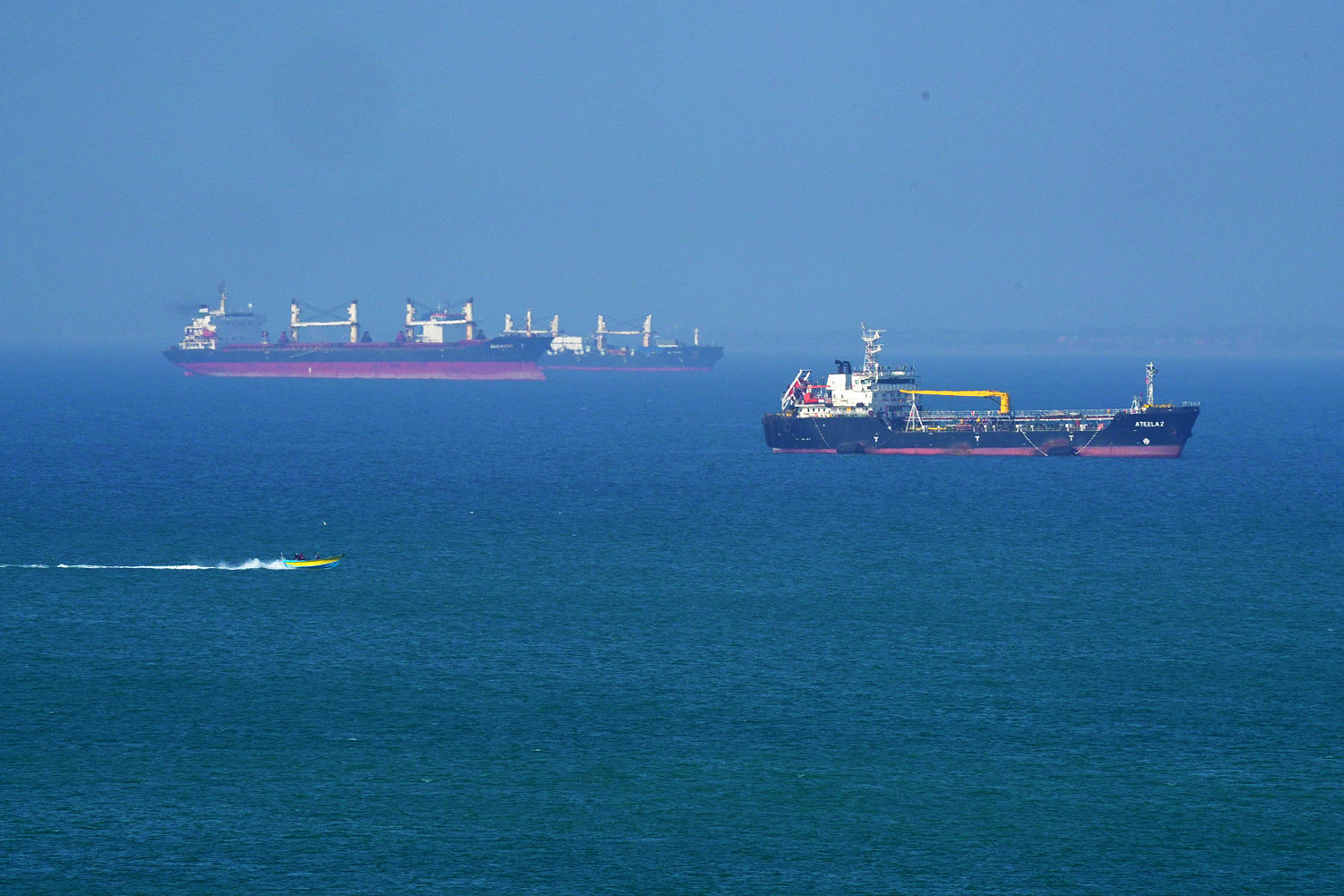
You can’t overstate how much the world depends on this tiny stretch of water. At its narrowest, the Strait of Hormuz is only about 21 miles wide. Yet, roughly 20% of the world’s oil and 25% of its liquefied natural gas (LNG) flow through here.
Most of that energy is headed to Asia—China, India, Japan, and South Korea. When Trump says Iran needs to "get smart," he’s pointing at the fact that Tehran is losing roughly $500 million a day because of the U.S. blockade. But Iran is playing a game of chicken, betting that the global economic pain of $120-a-barrel oil will eventually force the U.S. to blink.
What the Military Options Actually Look Like
Trump’s advisers are reportedly split. Some want to keep the economic screws turning, while others are pushing for direct strikes. We’ve already seen a glimpse of what that looks like. Earlier this year, Israel struck Iran’s South Pars gas field, and Iran retaliated against energy facilities in Qatar and Saudi Arabia.
Trump has been very clear about his red lines. He’s told the Navy to "shoot and kill" anyone caught mining the Strait. He’s also threatened to obliterate Iranian power plants and bridges if the waterway isn’t fully reopened. It’s a high-stakes standoff where one wrong move by a local commander could turn a "blockade" into a full-scale regional war.
Why the "Nuclear Deal" is the Real Stumbling Block
Iran wants a deal that reopens the Strait and lifts sanctions but puts the nuclear conversation on the back burner. Trump isn’t having it. He’s skeptical of their "fractured" leadership and insists that any "transaction" must be 100% complete—meaning no nuclear weapons, ever.
The Iranian President, Masoud Pezeshkian, has pushed back hard on the idea that his government is collapsing. He’s calling for "ironclad unity" and framing the U.S. presence as "piracy." It’s a classic information war. Trump claims Iran is pleading for help; Tehran claims they’re standing strong against an aggressor.
The Economic Ripple Effect
This isn’t just a Middle East problem. It’s an American kitchen table problem.
- Oil Prices: Brent crude has already surged past $125 at its peak this year.
- Supply Chains: It’s not just oil. Fertilizers and aluminum also move through the Strait.
- The Shadow Fleet: The U.S. is now actively interdicting "shadow tankers" that try to sneak Iranian oil to China.
If this deadlock continues, the IEA warns we’re looking at one of the worst supply shocks in modern history. Trump’s "get smart" comment is a demand for Iran to surrender its nuclear ambitions in exchange for its economic life.
What Happens Next
Don't expect a quiet resolution. Trump’s strategy is maximum pressure, and he’s using both memes and Navy destroyers to apply it. If you're looking for signs of de-escalation, watch the "tolls." Iran has been trying to charge ships for passage; the U.S. is telling those ships to turn around or face impoundment.
If you’re invested in energy markets or just worried about your commute, keep an eye on these specific movements:
- Naval Escorts: Look for whether the U.S. starts full-scale convoy operations for non-Iranian tankers.
- The "Truce" Extensions: There are frequent 14-day "ceasefire" windows that Trump has been granting. If one of those expires without a deal, the "shooting starts."
- Asian Response: If China or India starts losing patience with the supply disruptions, they might pressure Tehran to take the deal—or pressure Washington to ease off.
The bottom line is simple. The Strait of Hormuz is currently a "sealed up tight" chokepoint. Trump is betting that Iran will break before the global economy does. Tehran is betting the opposite. Until someone flinches, expect more "No More Mr. Nice Guy" rhetoric and more volatility at the pump.