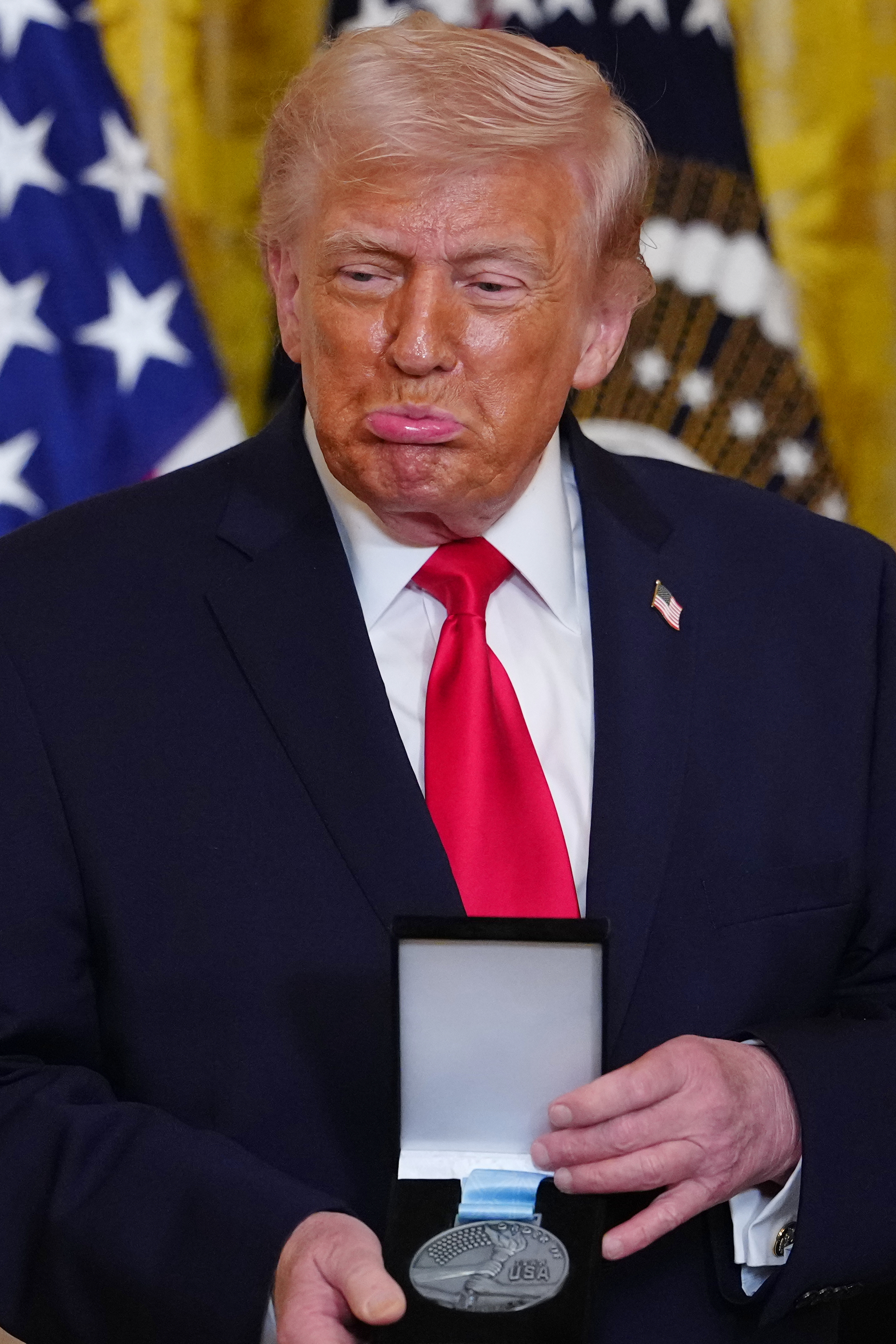
The mainstream media is currently obsessed with the idea that Donald Trump was "surprised" by Iran’s decision to target other Middle Eastern nations. They paint a picture of a baffled former president and a rogue state acting without a script. It’s a comfortable narrative for the pundit class because it suggests that global conflict is just a series of random, chaotic events driven by unpredictable personalities.
They’re wrong.
Iran isn’t acting randomly, and the "surprise" isn't a failure of intelligence—it’s a failure of perspective. If you’re shocked that Tehran is hitting targets in Pakistan, Iraq, or Syria, you haven’t been paying attention to the last forty years of geopolitical chess. You’re looking at a tactical map while the Iranians are playing a long-term game of demographic and economic survival.
The Myth of the Rational Proxy
The "lazy consensus" dictates that Iran only acts through its proxies—Hezbollah, the Houthis, and various militias in Iraq. The narrative suggests that as long as the U.S. or its allies keep these proxies in check, the "head of the snake" stays in its hole.
This is a fundamental misunderstanding of the Islamic Revolutionary Guard Corps (IRGC) doctrine. Iran has never been content with just "managing" proxies. They are building a contiguous corridor of influence from the Persian Gulf to the Mediterranean. Every strike, whether it’s a drone over the Red Sea or a missile into Erbil, is a stress test of regional sovereignty.
When Trump expresses surprise, he is reflecting the classic American bias: the belief that every actor in the Middle East wants a deal, a dollar, or a seat at the table. Iran doesn't want your seat. They want to burn the table and build their own out of the ashes of the Westphalian state system.
Security is an Illusion Sold by Consultants
We’ve seen Western defense contractors rake in billions selling "integrated air defense" systems to Gulf nations. The promise is simple: pay us enough, buy enough interceptors, and you are safe.
Then Iran launches a saturation attack.
The math is brutal. An Iranian-made Shahed drone costs roughly $20,000 to produce. A single Patriot interceptor costs nearly $4 million. You don’t need to be a math whiz to see the problem. Iran is forcing its neighbors into an economic war of attrition where the defense is 200 times more expensive than the offense.
By targeting multiple countries simultaneously, Iran isn't just "lashing out." They are demonstrating that the Western security umbrella is a sieve. They are showing that they can overwhelm any defense system through sheer volume and low-cost manufacturing. This isn't a military failure; it's a brilliant business model for regional dominance.
The Pakistan Pivot: Why the "Surprise" is Strategic
People asked, "Why would Iran hit Pakistan, a nuclear-armed neighbor?"
The "experts" on cable news called it a blunder. In reality, it was a message to the entire region: No border is sacred. By striking Jaish al-Adl targets inside Pakistan, Iran signaled that they no longer care about the traditional rules of international engagement. They are willing to risk a border skirmish with a nuclear power to prove they will pursue their enemies anywhere.
This wasn't an impulsive move. It was a calculated demonstration of the "Forward Defense" doctrine. Iran prefers to fight its wars in other people's backyards. If you wait for the threat to reach your border, you’ve already lost. By striking into Pakistan, Iraq, and Syria in the same week, they established a new baseline for what "acceptable" state behavior looks like in the 21st century.
The Energy Blackmail You Aren't Discussing
The competitor articles focus on the "shock" of the strikes. They ignore the flow of oil.
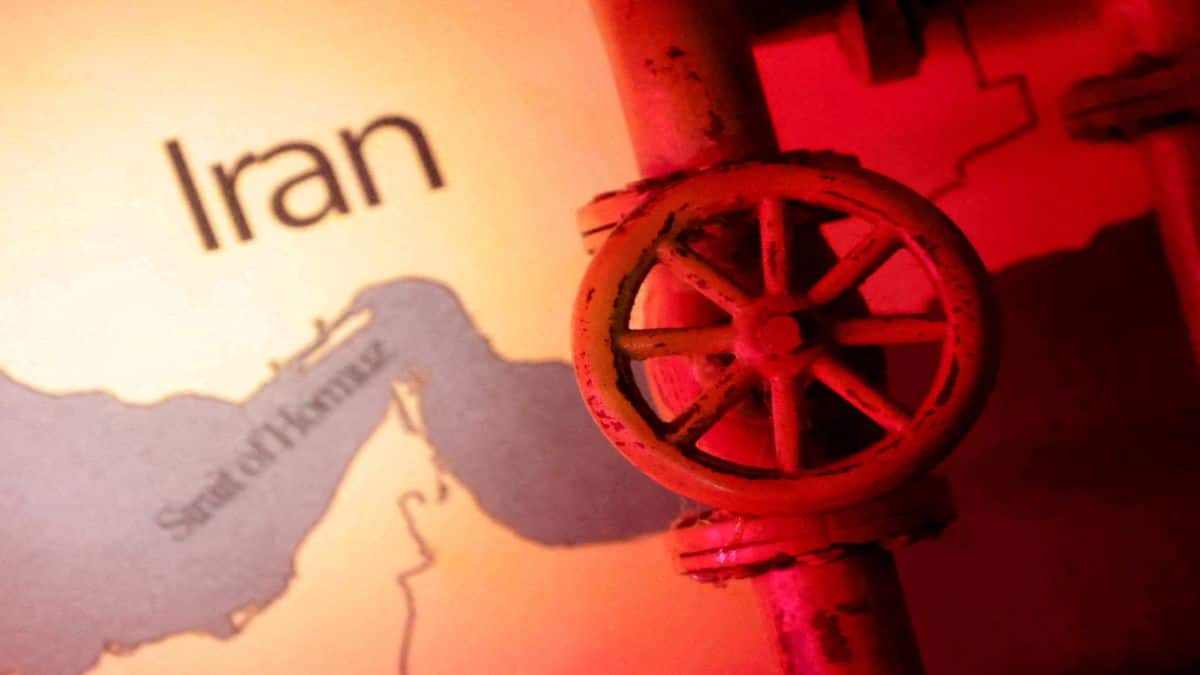
Iran’s true leverage isn't just its missile inventory; it's the geography of the Strait of Hormuz. Roughly 20% of the world’s petroleum passes through that narrow choke point. Every time Iran "surprises" the world with a strike, the risk premium on every barrel of oil moves.
If you think this is about religion or ancient grudges, you’re missing the point. This is about energy hegemony. Iran knows that the West’s greatest weakness isn't its military—it’s the sensitivity of its voters to gas prices. By creating a persistent state of "unpredictability," Iran maintains a permanent thumb on the scale of global energy markets. They don't need to close the Strait; they just need everyone to fear that they might.
Stop Looking for a "Rational Actor"
Western analysts love to apply "Game Theory" to the Middle East. They assume both sides want to minimize losses and maximize gains.
This is where the logic breaks down. The IRGC doesn't view loss the way a CEO in London or a politician in Washington does. In their world, suffering is a prerequisite for victory. They are willing to endure decades of sanctions and international isolation if it means they eventually emerge as the undisputed regional hegemon.
You cannot "negotiate" with an entity that views the timeline of the conflict in centuries rather than fiscal quarters.
The Actionable Truth
If you are an investor, a policy-maker, or just an informed citizen, stop waiting for the "return to normalcy." The "surprise" strikes are the new normal.
- Accept the Cost Disparity: Recognize that traditional defense spending is failing. If a country cannot defend its airspace against $20k drones without bankrupting itself, it is not "secure."
- Diversify Away from Choke Points: Any business or nation reliant on the stability of the Persian Gulf is effectively a hostage to Tehran’s mood.
- Ignore the Rhetoric, Watch the Logistics: Don't listen to what is said at the UN. Watch where the missiles are being manufactured and where the radar signatures are appearing.
The "surprise" wasn't that Iran struck. The surprise is that we still expect them to behave like a Western democracy. They have told us exactly who they are for four decades. It’s time we started believing them.
Stop asking why they are doing this. Start asking why we are still shocked when they do exactly what they promised.