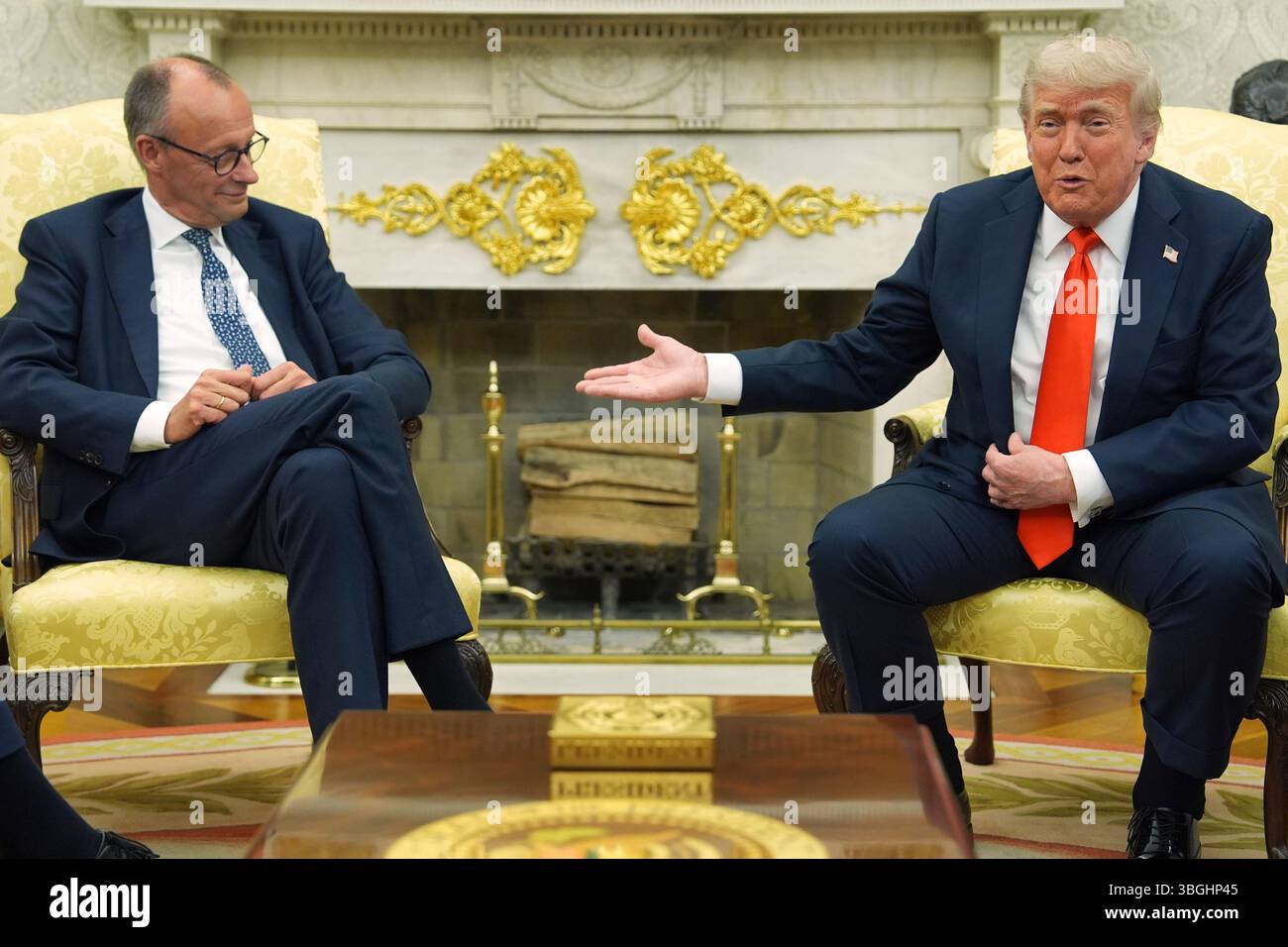
The relationship between Washington and Berlin just hit a new low. If you thought the tension between Donald Trump and the previous German leadership was bad, what’s happening now with Chancellor Friedrich Merz is on a different level. It’s not just a disagreement over trade or defense spending anymore. We’re looking at a fundamental split over an active war in Iran that could reshape the entire NATO alliance by the time 2026 is over.
Trump didn't hold back this week. On Truth Social, he basically told Merz to shut up and fix his own "broken country" instead of critiquing American military strategy. He even suggested Merz was fine with Iran having nuclear weapons. It’s a wild accusation, considering Merz has been a career Atlanticist, but it shows how thin the skin has become at the White House when it comes to the two-month-old conflict in the Middle East.
The Humiliation Comment That Started the Fire
The spark for this latest explosion came from Merz himself. During a visit to a school in western Germany, the Chancellor didn't mince words. He said the United States was being "humiliated" by the Iranian leadership at the negotiating table. Merz’s point was simple: Washington jumped into this war without a clear exit strategy.
He’s not exactly wrong. Since the war started in February 2026, the US and Israel have found that Tehran is a much tougher nut to crack than the initial briefings suggested. Merz pointed out that Iran is "negotiating very skillfully—or simply very skillfully not negotiating," while American officials are left flying back and forth to Pakistan with nothing to show for it.
Trump’s reaction was predictable. He lashed out, claiming Merz is "totally ineffective" regarding the Russia-Ukraine war and is failing on immigration and energy at home. It’s the classic Trump playbook: if an ally questions your foreign policy, attack their domestic record.
Why Germany Is Suddenly Playing Hardball
You might wonder why Merz, who was supposed to be the "pro-American" Chancellor, is suddenly the one poking the bear. It’s about the money. Germany’s economy is stalling out for the fourth year in a row. The Iran war has sent fuel prices through the roof, and the German government just had to slash its growth forecast to a measly 0.5%.
Merz was elected on a promise to fix the economy. Instead, he’s watching the far-right AfD climb to 27% in the polls because people are fed up with paying for wars that feel a world away.
- Energy costs: The Strait of Hormuz is partially mined, and 20% of the world's oil is stuck behind a naval blockade.
- Defense fatigue: Germany is already stretched thin supporting Ukraine. Adding an Iranian front to the mix is a nightmare for the Berlin budget.
- Political survival: Merz can’t afford to look like a lapdog for a US administration that he believes is dragging Europe into a long, expensive quagmire.
The Threat of Troop Withdrawals
This isn't just a war of words. Trump is now openly talking about pulling US troops out of Germany. There are roughly 50,000 American personnel there right now. Trump says he’s "studying and reviewing" a reduction as punishment for Germany’s lack of support in the Iran conflict.
This is a massive deal. Germany is the hub for US military operations in Europe and Africa. Pulling troops out wouldn't just hurt German security; it would throw the entire NATO structure into chaos. Merz tried to play it cool, saying his personal relationship with Trump is "as good as ever," but nobody’s buying that. When the leader of the free world is publicly trashing you for being "ineffective," the "good relationship" ship has probably sailed.
The Strategy Gap in the Middle East
The real beef here is that Germany and the US are looking at two different maps. Trump wants a decisive victory that ends the Iranian nuclear threat once and for all. Merz is looking at the history books—specifically Afghanistan and Iraq—and seeing a repeat of the "forever war" cycle.
Merz warned that Iran is "stronger than expected." He’s worried that an extended conflict will destroy what’s left of the global economy. Berlin has even refused to join a NATO mission to secure the Strait of Hormuz, with the German Defense Minister calling the Iran conflict "not our war." That kind of talk is absolute heresy in the current White House.
What Happens Next
Don't expect a handshake and a photo op to fix this anytime soon. The rift is too deep. Germany is stuck between its historic alliance with the US and the harsh reality of an energy crisis that is tearing its domestic politics apart.
If you're watching this unfold, keep an eye on two things: the price of Brent crude and the polling numbers for the AfD. If oil stays above $100 and the German right-wing keeps gaining ground, Merz will have no choice but to distance himself further from Trump’s Iran strategy.
For now, the best move is to watch the troop numbers. If the Pentagon actually starts moving units out of Ramstein or Stuttgart, we’ll know the transatlantic alliance isn't just strained—it’s breaking. You should also pay attention to any shift in how Germany handles the Russia-Ukraine situation, as Trump is clearly trying to use that as leverage to get Merz to fall in line on Iran.