Donald Trump is back at it. During a Fox Business interview on April 15, 2026, he looked into the camera and told Maria Bartiromo he’d fire Federal Reserve Chair Jerome Powell if he doesn't pack his bags the second his term as chair ends on May 15. "I’ve wanted to fire him," Trump said, sounding like a man whose patience has finally hit a wall. But here's the thing. Presidents love to talk about the Fed like it's just another department they can shuffle around, but the law says something very different.
If you’re watching the headlines, you might think a massive constitutional crisis is hitting next month. It isn't. Not yet, anyway. Trump wants Powell gone, not just from the chair's seat, but from the Federal Reserve entirely. While Powell's four-year stint as the "boss" of the Fed ends in May, he holds a separate seat on the Board of Governors that legally lasts until January 31, 2028.
Trump expects a clean break. Powell isn't budging. That's the collision course we're on.
The legal wall Trump is hitting
You can't fire a Fed governor just because you don't like their face or their interest rate hikes. The Federal Reserve Act of 1913 is the rulebook here. It states that members of the board can only be removed "for cause." In the world of law, "cause" is a high bar. It means Powell would have to be caught doing something genuinely crooked—think personal corruption, gross neglect of his actual duties, or breaking the law.
Policy disagreements don't count. If they did, every president would fire the Fed chair every time the stock market took a dip.
The Supreme Court has already weighed in on this kind of thing. Back in the 1930s, in a case called Humphrey's Executor v. United States, the court told FDR he couldn't fire a commissioner at the FTC just because their political vibes didn't match. The Fed is designed to be insulated from the White House so that monetary policy doesn't become a tool for winning the next election.
Trump’s team knows this, which is why they’re digging for "cause" elsewhere. They’ve pointed to a $2.5 billion renovation of the Fed headquarters that has seen massive cost overruns. The DOJ is even poking around with a criminal investigation into testimony related to that project. Trump is basically trying to find a "fireable offense" in the plumbing and drywall budget because he can't fire Powell over interest rates.
What happens on May 15
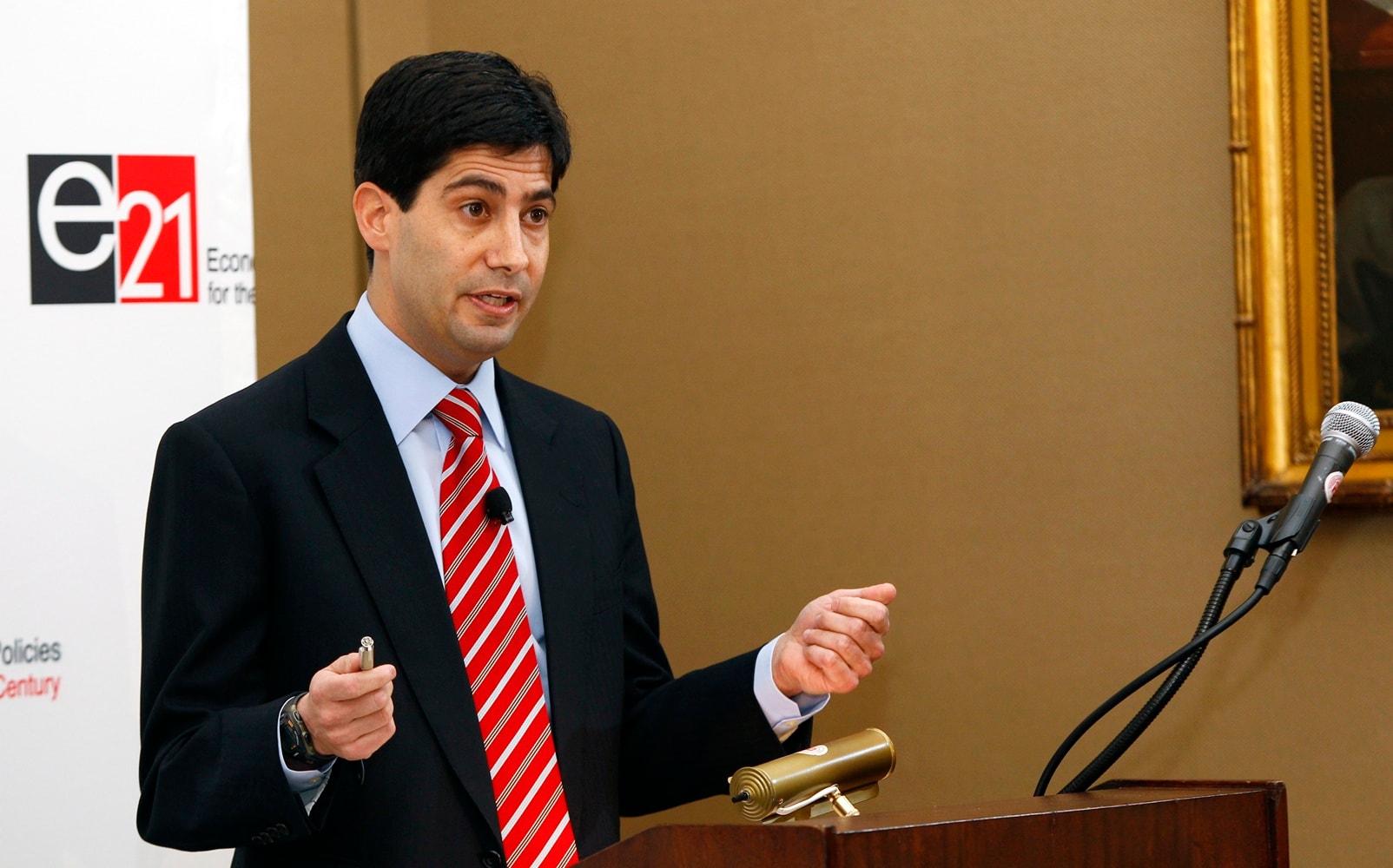
When May 15, 2026, rolls around, Powell’s title as "Chair" officially expires. Trump has already picked his successor: Kevin Warsh. Warsh is a former Fed governor and a Stanford fellow who's much more in sync with Trump’s "growth at all costs" mentality. Trump’s been bragging that Warsh could help push US economic growth past 15%, which, honestly, most economists think is a total fantasy.
But even if Warsh is confirmed by the Senate—and that’s a big "if" given the current political climate—Powell doesn't have to leave the building. He can pull a "Marriner Eccles." In 1948, Eccles finished his term as chair but stayed on the board as a regular governor for three more years.
If Powell stays, he keeps his vote on interest rates. He keeps his seat at the table. Most importantly, he prevents Trump from appointing another loyalist to that specific seat until 2028. It's the ultimate power play of "you can't make me leave."
The Kevin Warsh factor
Kevin Warsh is scheduled to testify before the Senate Banking Committee on April 21. His financial disclosures show he's worth somewhere between $131 million and $209 million. He’s a Wall Street insider who knows the system, but he’s also been a vocal critic of how Powell has handled the balance sheet.
Trump wants a "yes man" who will slash rates and support his tariff agenda. Warsh is seen as someone who might do that, but he still has to get through a Senate where even some Republicans are nervous about trashing the Fed’s independence. Senator Thom Tillis has already threatened to stall all Fed nominations. It’s a mess.
Why the markets aren't panicking
You’d think the "smart money" would be freaking out about the President threatening to fire the man who controls the US dollar. They aren't. On prediction markets like Kalshi, traders are only giving a 14% chance that Trump actually manages to boot Powell before May 15.
Investors have seen this movie before. Trump threatened Powell throughout his first term and never pulled the trigger. The markets know that a forced, illegal firing would cause a global financial meltdown. Bond yields would spike, the dollar would go into a tailspin, and the resulting chaos would probably tank the very economy Trump is trying to boost.
The reality of the DOJ investigation
The most dangerous part of this for Powell isn't a tweet or a Fox Business interview. It’s the DOJ. In January, the Justice Department threatened the Fed with a criminal indictment over testimony regarding that headquarters renovation.
Powell has called this investigation "unprecedented" and a tactic to undermine the Fed's independence. He's not wrong. It’s a classic squeeze play. If the DOJ finds enough smoke to justify a "for cause" firing, Trump gets exactly what he wants without having to argue about the Constitution in front of the Supreme Court.
But Powell has signaled he won't resign while this cloud is over him. He's dug in. He sees himself as the last line of defense for the Fed’s autonomy.
Watch the Senate April 21
If you want to know how this ends, don't watch Trump's social media posts. Watch the Senate Banking Committee on April 21 during the Warsh hearings. That’s where the real temperature check happens.
If Republican senators start echoing Trump’s "fire him for cause" rhetoric, Powell’s seat gets very hot. If they stick to the tradition of Fed independence, Trump’s threats remain just that—noise.
Basically, you’re looking at a game of chicken where neither side has a steering wheel. Powell is betting on the law. Trump is betting on his ability to bully the system into submission. For now, the law is winning, but May 15 is coming fast.
Don't expect Powell to walk away quietly. If Trump wants him out, he’s going to have to drag him through a legal battle that could take years to resolve—likely long after the 2026 midterms are over. Get ready for a long, ugly summer in D.C.