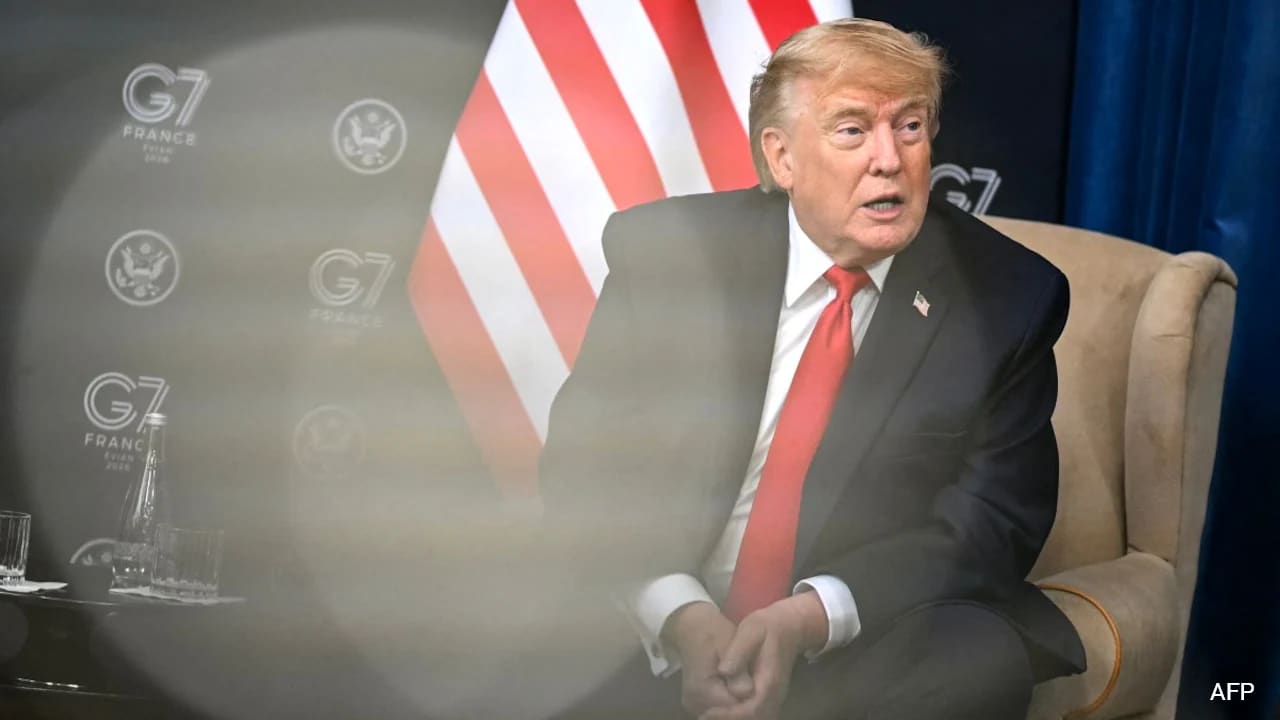
Donald Trump just signed a preliminary peace agreement with Tehran, but he's already talking about military action. Speaking at the G7 summit in Evian, France, the US president made it clear that the newly minted Iran deal isn't set in stone. In true Trump fashion, he threatened to go right back to dropping bombs right smack in the middle of their head if the Iranian government doesn't behave. This aggressive posturing comes just two days before both nations are scheduled to physically sign the formal pact in Switzerland. If you thought this memorandum of understanding meant immediate, permanent peace in the Middle East, you don't understand how this administration operates.
The electronic signing of the memorandum on June 16, 2026, initially triggered a massive sigh of relief across global markets. Oil prices tumbled to their lowest levels in three months. Stock markets rallied. The deal aims to end a destructive conflict that erupted earlier this year following US and Israeli airstrikes on Iranian targets. A core part of the pact involves reopening the vital Strait of Hormuz within 30 days and lifting the US naval blockade on Iranian ports. But Trump's latest comments alongside Egyptian President Abdel Fattah al-Sisi show that the threat of war hasn't vanished. It has just changed shape.
The Reality Behind the New Iran Deal
Many onlookers assumed the crisis had wrapped up. They're wrong. This agreement is merely a framework. It establishes a 60-day window to negotiate the highly sensitive details of Iran's nuclear program. Trump explicitly stated that the document is just a memorandum of understanding, not a final treaty. He wants everyone to know he keeps his finger on the trigger.
The administration's strategy relies on maximum pressure, even after an agreement is reached. Vice President JD Vance backed this up earlier in the week, bragging that America holds all the cards in these negotiations. The White House believes that by threatening immediate military resumption, they can force Iran to accept strict enrichment limits. According to the International Atomic Energy Agency, Iran currently possesses enough highly enriched uranium to build multiple atomic weapons. Trump insists that 99.9 percent of this deal is about ensuring Tehran never achieves that nuclear capability.
Misconceptions About Sanctions and Cash Flow
Rumors started swirling almost immediately after the digital signatures were dry. Reports suggested the US agreed to inject 300 billion dollars into the Iranian economy. Trump flatly denied this at the G7 summit. The US isn't giving Iran a single dime in direct payments.
Sanctions relief isn't happening overnight either. While Washington is immediately issuing waivers to allow Iranian crude oil sales to resume, the permanent removal of sanctions depends entirely on future behavior and compliance. Trump isn't opening the floodgates. He's turning a valve, and he can shut it at any moment. Other nations are free to invest in Iran if they choose to take that risk, but Uncle Sam isn't financing the recovery.
What Happens Next on the Ground
Navigating this diplomatic minefield requires watching concrete actions rather than political rhetoric. The physical signing ceremony is still on track for Friday in Geneva. After that, the clock starts ticking on the 30-day window to clear naval mines and restore regular shipping traffic through the Strait of Hormuz.
Keep a close eye on the shipping lanes. Shippers won't risk billion-dollar vessels if rockets are still flying or if mine-clearing operations stall. Watch the International Atomic Energy Agency inspection reports over the next two months. If inspectors face delays or roadblocks in Iran, expect Trump to walk away from the table and order the bombers back into the air. True stability in the region depends on verifying compliance during this 60-day negotiation window, not on the initial signatures. Keep your eyes on the inspections and the strait, because those metrics will tell you if the peace will actually last.