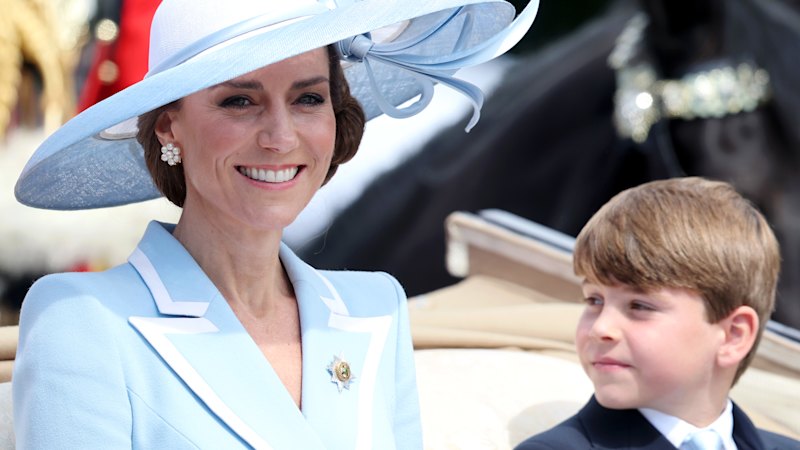
Rain or shine, the British royal family loves a structured tradition. Every June, London transforms into a sea of scarlet tunics, bearskin caps, and precision marching for Trooping the Colour. If you've ever wondered why a man born in November celebrates his birthday in June, you aren't alone. It comes down to classic British pragmatism: the weather. King George II started the dual-birthday tradition back in 1748 because late autumn is famously miserable for outdoor parades. Fast forward to today, and the King's Birthday Parade remains the absolute crown jewel of the UK's ceremonial calendar.
The real magic of this event isn't just the flashy pageantry or the royal family waving from the Buckingham Palace balcony. It is the staggering level of military precision happening right in the open. We're talking about more than 1,400 soldiers, 200 horses, and 400 musicians moving in absolute unison. The 2026 parade brings a distinct historical weight, featuring the King's Colour of the Grenadier Guards, escorted by the guardsmen from the King's Company.
The True Meaning of Trooping the Colour
To understand why this massive operation happens every year, you have to look past the surface glamour. The word "colour" refers specifically to the regimental flag. Centuries ago, these flags weren't just decorative symbols. They served as vital battlefield markers. In the chaos, smoke, and noise of combat, soldiers needed a clear, recognizable focal point to regroup and maintain their lines.
The act of "trooping" means carrying this flag slowly through the ranks of soldiers. It ensured every single young officer and guardsman knew exactly what their regiment's insignia looked like. Today, the battlefield utility is gone, but the tradition holds firm. Each year, a different regiment takes its turn in the spotlight. For 2026, the honor belongs to the Grenadier Guards, the most senior regiment of the Foot Guards. King Charles III personally presented the new flag earlier in the week at Buckingham Palace, setting the stage for its formal escort on Horse Guards Parade.
Inside the Logistics of the King's Birthday Parade
Executing a flawless state ceremonial parade takes months of exhausting preparation. It isn't just about looking sharp in a wool uniform. The soldiers on display are fully operational, highly trained active combat troops who balance their deployments with intense drill practice.
The event follows a strict timeline that operates with the reliability of a Swiss watch. The action kicks off around 10:00 AM as the public crowds line The Mall and St James's Park.
- The Royal Procession: The King travels down The Mall from Buckingham Palace, accompanied by a Sovereign's Escort from the Household Cavalry Mounted Regiment.
- The Arrival: Exactly as the clock on Horse Guards chimes 11:00 AM, the King arrives to take the Royal Salute. A 41-gun salute simultaneously roars from Green Park, fired by The King's Troop Royal Horse Artillery.
- The Inspection: The King conducts a thorough inspection of his troops, checking the alignment, bearing, and uniforms of the assembled guards.
- The Musical Troop: The Massed Bands perform a complex musical routine before the Regimental Colour is formally trooped through the ranks.
- The March-Past: The Foot Guards and Household Cavalry march past the King, who salutes the colours in return. The troops then head back up The Mall toward the palace.
What It Takes to Attend the Event
Getting a seat at Horse Guards Parade isn't as simple as showing up on the morning of the event. The seated tickets are highly coveted and distributed through a strict online ballot system that closes months in advance, usually by late March. Tickets for the main parade cost around £30, making them a hot commodity for royal enthusiasts and tourists alike.
If you didn't score a ticket in the ballot, you can still experience the atmosphere for free. Veteran spectators know to claim a spot along The Mall or near the edge of St James's Park by 9:00 AM. The views can be partially blocked by the sheer volume of moving troops, but the energy is unmatched.
There is also a strict dress code for those lucky enough to secure grandstand seats. This is a formal state occasion, so the requirements lean heavily on smart attire. Think morning dress, lounge suits, or smart dresses. Denim, shorts, and sandals will get you turned away at the gates. Even umbrellas and parasols are explicitly banned to prevent blocking the view of the people sitting behind you.
The Balcony Moment and the RAF Flypast
The climax of the day shifts from the dirt of Horse Guards Parade back to the stone balcony of Buckingham Palace. Around 1:00 PM, the King joins senior members of the royal family to watch the traditional Royal Air Force flypast. This moment provides the defining imagery of the event that ends up plastered across global news networks.
Dozens of aircraft, ranging from historic World War II fighters to modern supersonic jets, streak across the London sky. It draws massive crowds to the gates of the palace, packing The Mall completely. For the royal family, it serves as a public show of unity and stability, anchoring an ancient military tradition directly into the modern era.
If you plan to experience a future iteration of this historic parade, start your planning early. Set a reminder for the ticket ballot in February, brush up on the strict dress codes, and prepare for a masterclass in British military pageantry.


