Tiger Woods is back in the headlines for all the wrong reasons. Again. If you've followed his career, the news of another car crash and subsequent legal trouble feels like a grim rerun of a movie we’ve seen too many times. It's not just about a celebrity making a mistake. It's about the physical and mental toll of sustaining an elite athletic career through decades of surgeries and high-intensity trauma.
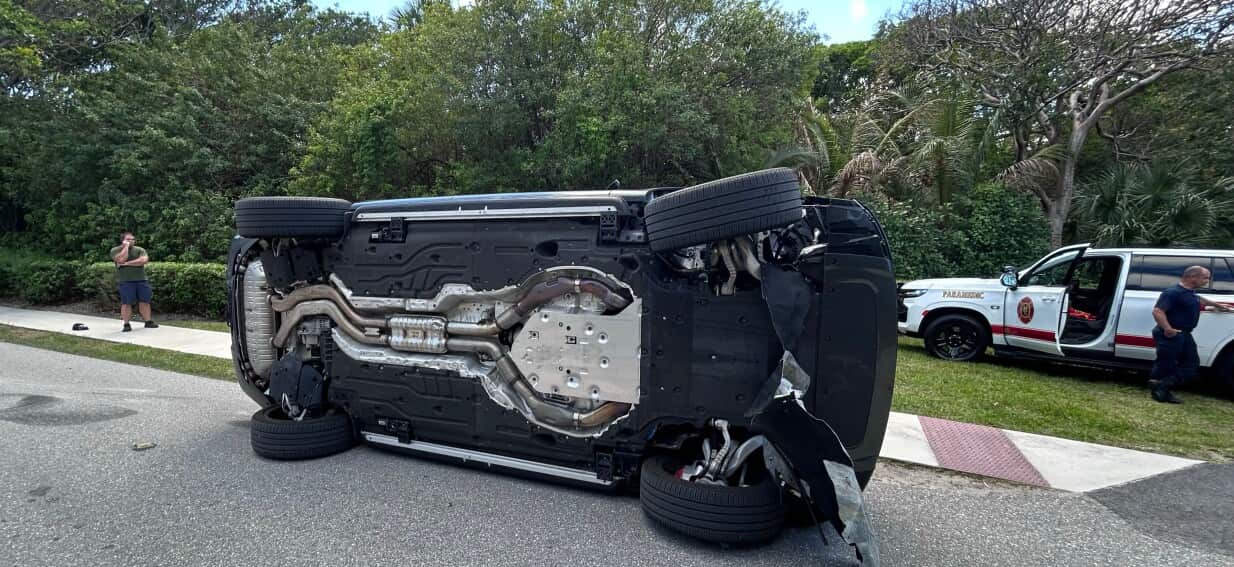
People want to know if he's okay and what happened this time. The short answer is that the details are messy. Police reports and early footage show a scene that's becoming hauntingly familiar to golf fans. A mangled vehicle, flashing lights, and the greatest golfer of a generation facing questions that have nothing to do with his putting stroke. We need to look past the tabloid surface to understand the mechanics of these incidents and why they keep happening.
What actually happened on the road
The crash occurred in the early hours, leaving his SUV unrecognizable. First responders described a scene where the vehicle had clearly left the roadway at a velocity that made a simple "accident" seem like an understatement. When the police arrived, the focus shifted from a medical emergency to a legal one.
He wasn't just a victim of bad luck. There were signs of impairment that led to an immediate arrest. This isn't just about one bad night. It's about a pattern of behavior that suggests a much deeper struggle with the recovery process from his previous, near-fatal leg injuries.
When a car hits an object at high speed, the physics are brutal. Even in a modern luxury SUV with top-tier safety ratings, the kinetic energy has to go somewhere. For someone like Tiger, whose body is basically held together by screws and determination, these impacts are catastrophic. His right leg was already a patchwork of surgical interventions from his 2021 rollover in Rolling Hills Estates. Adding another layer of blunt force trauma to that foundation is a nightmare for any orthopedic surgeon.
The physical reality of a broken body
We often forget that Tiger Woods has undergone at least five back surgeries and nearly as many on his knees. His fusion surgery (ALIF) was supposed to be the end of his pain, but it often just moves the stress to a different part of the spine.
- The 2008 U.S. Open win on a broken leg was legendary, but it set a dangerous precedent.
- The 2017 arrest for DUI involved a cocktail of painkillers and sleep aids.
- The 2021 crash nearly resulted in an amputation.
You don't just "bounce back" from these things. The medications required to manage chronic, bone-on-bone pain are powerful. They cloud judgment. They slow reaction times. When you mix that with the pressure of trying to remain competitive against 20-year-olds who don't have a single scar, the mental weight becomes unbearable.
Why the recovery narrative is a myth
The media loves a comeback story. We cheered when he won the Masters in 2019 because it felt like the ultimate redemption. But redemption is a process, not a destination. You don't just win a trophy and suddenly your nerves stop screaming or your addiction to the "grind" disappears.
The truth is that Tiger's body is a map of his ambitions and his mistakes. Every time he gets behind the wheel and things go wrong, it's a reminder that the "Greatest of All Time" is still a human being dealing with significant trauma. If you’re looking for a simple explanation, you won't find it. It's a mix of physical pain, possible reliance on medication, and the isolation that comes with being an icon.
The legal and professional fallout
An arrest like this carries weight far beyond a courtroom. Sponsors usually stick by him because he’s a walking economy, but there’s a limit. The PGA Tour and his partners at TGR Ventures have to balance their loyalty with the reality of public safety.
- Legal Consequences: Depending on the specific charges, he's looking at heavy fines, license suspension, or mandated rehabilitation programs.
- Health Implications: Further damage to his lower extremities could mean he never walks a full 18 holes again, let alone competes.
- Legacy: Does this erase the 15 majors? No. But it stains the sunset of his career in a way that’s hard to watch.
Moving forward without the noise
If you're a golfer or just a fan of the sport, the best thing you can do isn't to speculate on his private life or hunt for more mugshots. Instead, look at the reality of injury management. If you’re dealing with chronic pain or find yourself relying on "pills for the hills," seek a different path. Tiger’s situation shows that all the money and fame in the world can’t fix a person if the underlying issues aren't addressed.
Stop waiting for the next "miracle" comeback. We should be hoping for a quiet recovery instead. The most important thing for him right now isn't getting back to the tee box at Augusta. It's staying off the road and getting the help that stops this cycle from ending in a much more permanent tragedy.
Check in on the people in your life who are dealing with long-term injuries. Pain is a quiet, lonely motivator for bad decisions. If you're struggling with substance use or the mental toll of chronic injury, call a professional or reach out to a support group before the "next time" becomes the last time.