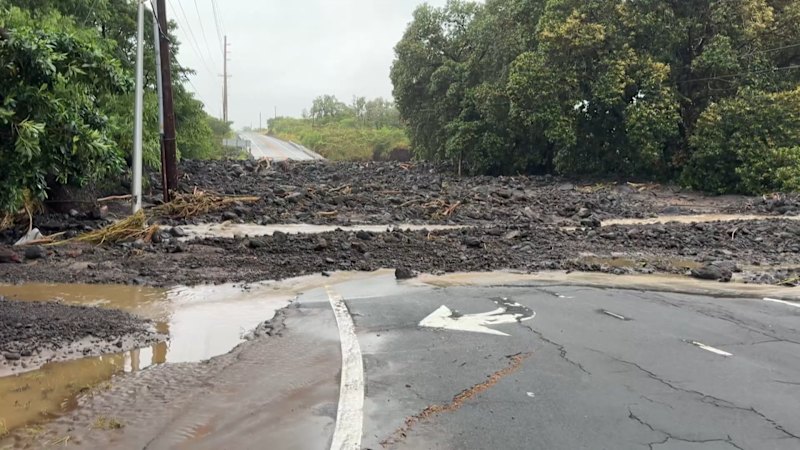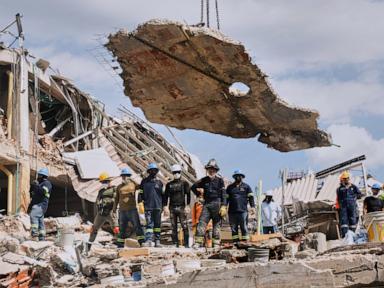
The lazy consensus arrives like clockwork. A natural disaster hits a developing economy, cameras roll over rubble, and politicians immediately pivot to emergency diplomacy. The script is predictable. The Colombian president steps up to the international microphone, looks at Washington, and asks for a suspension of tariffs to fund earthquake recovery. It sounds compassionate. It sounds like common sense. It is also an absolute masterclass in economic illiteracy.
Every mainstream commentator is nodding along, arguing that temporary trade relief is the humanitarian lifeline Bogotá needs right now. They are missing the entire plot.
I have watched sovereign states use tragedy as a Trojan horse for protectionist rent-seeking for two decades. I have sat in trade negotiation rooms where leaders shed crocodile tears for victims while quietly trying to permanently rewrite tariff schedules under the cover of temporary goodwill. Suspending tariffs because of an earthquake does not rebuild houses. It short-circuits domestic capital formation, penalizes local insurers, and teaches governments that fiscal mismanagement and under-engineered infrastructure can be bailed out by foreign trade concessions.
Let us dismantle the emotional blackmail.
The Charity Trap Disguised As Trade Policy
When leaders demand tariff waivers in the wake of an earthquake, the underlying premise relies on a deeply flawed equation: that import duties are the primary bottleneck preventing reconstruction capital from reaching citizens. That is false.
Tariffs on industrial inputs, construction materials, and heavy machinery exist for a reason. They protect domestic supply chains, fund local municipal bonds, and maintain a baseline tax revenue structure. If you wipe them out overnight because of a seismic event, you do not create a miraculous building boom. You instantly bankrupt domestic manufacturers who cannot compete with dumped foreign inventory flooding in under emergency exemptions.
Imagine a scenario where a Colombian cement plant has spent years upgrading its kilns to meet regional seismic safety codes, only to watch the government wave in duty-free foreign cement from subsidizing nations because of a localized earthquake. The local plant bleeds cash, lays off workers, and slows down long-term R&D. You have traded a temporary influx of cheap foreign bags of concrete for the permanent destruction of domestic industrial capacity.
That is not recovery. That is liquidation.
The Moral Hazard of Geopolitical Panhandling
The Colombian administration knows exactly what it is doing. Tying natural disaster relief to trade policy with the United States is a calculated play on Western guilt. It forces an impossible diplomatic binary: either you grant the tariff suspension and look pragmatic, or you enforce the trade rules and look like a cartoon villain withholding aid from orphans.
This is where the mainstream analysis completely disintegrates. Trade agreements are not charity jars. They are hard-fought legal frameworks designed to create predictable, long-term rules of engagement. When you start bending those rules for every natural catastrophe—hurricanes in the Caribbean, floods in South Asia, earthquakes in the Andes—you turn the entire global trade architecture into a discretionary slush fund.
The moment trade rules become emotional rather than contractual, foreign direct investment evaporates. Capital hates unpredictability more than it hates high taxes. If a multinational corporation knows that tariff rates can fluctuate wildly based on tomorrow's seismic reading or political sob story, they pull their capital out and deploy it somewhere boring, stable, and rule-bound.
What Recovery Actually Requires
If you want to understand why countries stay stuck in a cycle of post-disaster poverty, look at their balance sheets, not their tariff schedules.
Colombia does not need Washington to pause import taxes. Colombia needs a functioning catastrophic risk insurance market, mandatory building code enforcement, and municipal bond yields that actually reflect seismic risk.
When an earthquake flattens poorly zoned brick homes built on liquefiable soil, the failure is structural, institutional, and political. It is not caused by a 5 percent tariff on imported rebar. Blaming trade policy for the consequences of bad zoning laws is like blaming the weather forecast for getting wet without an umbrella.
Look at the hard data. Post-disaster reconstruction funds are almost never bottlenecked by customs duties. They are bottlenecked by local bureaucratic corruption, inefficient procurement processes, and a complete absence of local rainy-day funds. Governments love trade waivers because they cost the ruling party zero political capital. Raising taxes domestically to fund retrofitting? That loses elections. Begging a foreign superpower for a tariff exemption? That makes you look like a heroic defender of the homeland on the evening news.
The Dangerous Seduction of Temporary Relief
There is no such thing as a temporary government intervention. Milton Friedman taught us that half a century ago, yet economic journalists still fall for the "emergency measure" trap every single time.
Once you grant a tariff suspension for an earthquake, every lobbyist in Bogotá with a warehouse full of blocked imports wakes up. Importers of luxury goods, electronics, and non-essential consumer products suddenly discover that their shipments are somehow crucial to the "earthquake recovery effort." Bureaucrats get bribed at customs checkpoints to classify standard commercial cargo as disaster relief. The system rots from the inside out.
Within six months, the emergency waiver has expanded into a massive loophole. The domestic treasury is bleeding revenue, local industries are suing the state for anti-competitive favoritism, and the actual earthquake victims are still living in temporary tents because the tariff savings were captured by urban importers and middlemen.
The Real Question We Should Be Asking
People keep asking: How can the international community bend its trade rules to help disaster-struck nations recover faster?
That is the wrong question.
The real question is: Why do developing nations treat trade policy as a substitute for sovereign fiscal preparedness?
Until emerging economies stop using international sympathy as a crutch to bypass domestic structural reform, they will remain perpetual victims of both natural geography and their own economic policy failures. Trade is an engine of long-term prosperity, not a relief check. Stop treating it like one.
Write off the debt if you want to help. Send direct humanitarian aid. Ship medical supplies, rescue gear, and prefabricated field hospitals. But keep your hands off the tariff schedules.
Because when the dust settles and the cameras leave, the trade rules are all you have left to survive by. If you trade them away for a headline, you have engineered your own disaster.