The global community just did something that seemed impossible only a few years ago. The Organisation for the Prohibition of Chemical Weapons, or OPCW, just handed Syria its voting rights back.
If you remember the absolute horror of the Syrian civil war, this might sound like a bad joke. The former Assad regime used sarin gas and chlorine barrel bombs to butcher its own citizens. It lied to inspectors. It hid stockpiles. In 2021, the OPCW stripped Syria of its voting rights in an unprecedented move to say "enough."
So why the sudden change of heart? Honestly, it isn't a reward for good behavior from an old dictator. It's a direct result of a massive shift in power, and it gives the world a rare chance to clean up a terrifying mess.
A Whole New Government in Damascus
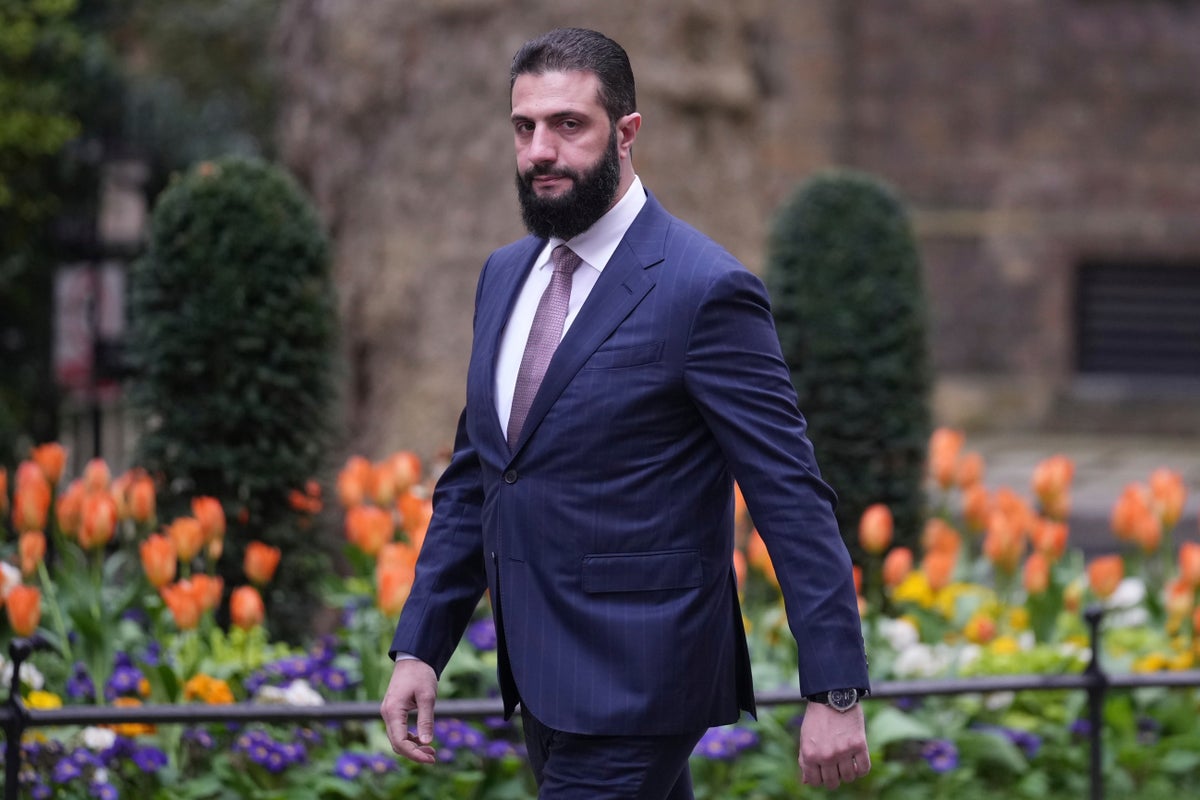
Let's look at what actually changed. This isn't Bashar al-Assad's Syria anymore. After Assad was kicked out of power in late 2024, a transitional government took over. The new president, Ahmad al-Sharaa, used to be an insurgent leader, but now he's trying to rebuild a broken country.
Sharaa wants to fix Syria's broken ties with the West. Just this week, Washington even took Syria off its list of state sponsors of terrorism.
To show he's serious, Sharaa's government chose transparency over secrecy. They didn't just promise to behave; they actually invited OPCW inspectors back into the country, gave them permanent access, and started handing over information that Assad kept hidden for a decade.
The Haunting Scale of Assad's Secret Stockpiles
When Syria originally joined the OPCW back in 2013 under intense international pressure, Assad claimed his chemical weapons program was spread across 26 different sites.
The OPCW always knew that was a lie. They suspected there were actually an extra 100 hidden sites scattered across the country. Turns out, they were right.
Since the new government opened the doors, inspectors have uncovered dozens of previously undeclared chemical bombs, rockets, and raw materials. In May, Syrian officials admitted they found remnants of the old clandestine weapons program, including the exact kind of munitions used in those deadly gas attacks during the civil war.
Here's what the OPCW is doing right now to fix it:
- Establishing a permanent inspector presence on the ground to map out old facilities.
- Approving a concrete destruction plan for Category 3 chemical weapons located at Al Qutayfah, a site about 37 kilometers north of Damascus.
- Setting up strict verification agreements for major storage facilities in both Al Qutayfah and Homs.
The materials found at these sites aren't just old junk. They include highly dangerous precursor chemicals used to mix nerve agents. Getting these out of circulation isn't just about politics; it's a massive win for global security.
Symbolism vs. Practical Security
Some critics might think giving Syria its vote back is too much, too soon. It's true that a vote at the OPCW headquarters in The Hague is mostly symbolic. Syria isn't going to suddenly dictate global arms policy.
But look at the mechanics of international diplomacy. You can't expect a new government to clean up a dictator's toxic legacy while keeping them locked out in the cold. By restoring these rights, the OPCW is acknowledging "tangible progress," as Director-General Fernando Arias put it.
Sixty-seven member states co-sponsored the decision to bring Syria back into the fold. It shows a collective agreement that engagement works better than isolation when you're trying to track down weapons of mass destruction.
The Long Road to Cleaning Up the Dossier
Don't think the job is done just because the voting rights are back. The OPCW made it perfectly clear that Damascus is still on the hook. The executive council is going to keep monitoring the country closely to make sure every last ounce of Assad's inherited chemical program is completely destroyed.
The next practical steps involve securing the remaining 100 suspected sites and safely neutralizing the nerve agent precursors without causing environmental disasters. It's a tedious, dangerous process that will take years. But for the first time in over a decade, international inspectors and the Syrian government are actually pulling in the same direction.



