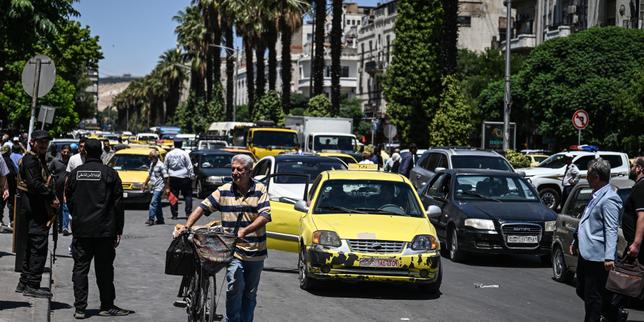
The United Nations continues to issue urgent appeals for Syria, reminding a weary global audience that millions remain dependent on external assistance. Yet these diplomatic communiqués mask a grim reality on the ground. Declarations of solidarity from Geneva and New York rarely translate into sustainable recovery for ordinary civilians inside the country.
International fatigue has set in. Years of protracted conflict, shifting geopolitical priorities, and donor burnout have reduced humanitarian interventions to mere survival rations. This dynamic creates a dangerous illusion of stability while underlying socio-economic structures disintegrate entirely.
The Anatomy of Donor Fatigue
Money is drying up. Traditional Western donors are redirecting funds toward newer flashpoints in Eastern Europe and the Middle East, leaving humanitarian agencies in Syria underfunded and overstretched.
Operating budgets are slashed annually. This fiscal starvation forces organizations to prioritize emergency triage over structural rehabilitation. Clean water systems fail, agricultural supply chains break down, and hospitals operate on generators that sputter due to fuel shortages.
International forums prefer high-profile pledging conferences over messy, long-term state-building. Pledges are announced with great fanfare, but the actual disbursement rates lag months behind schedule. By the time funds clear bureaucratic hurdles, inflation has devoured a significant portion of their purchasing power.
Emergency aid keeps people breathing for another month, but it does nothing to restore the economic engine required for self-reliance.
Sanctions and the Banking Paralysis
Economic policy remains one of the most overlooked drivers of civilian hardship. Comprehensive international sanctions, designed to pressure the regime in Damascus, inadvertently create a chilling effect across the entire financial sector.
Compliance officers at global banks choose caution over humanitarian exception. Moving funds into Syria requires navigating a labyrinth of regulatory hurdles that can take months to clear.
- Correspondent banking relationships have effectively vanished.
- Local importers cannot secure letters of credit for essential medicine or food machinery.
- Legitimate humanitarian groups face immense administrative friction just to pay local staff salaries.
This financial isolation strangles local entrepreneurs who want to rebuild small businesses. Without capital access, recovery is impossible. The private sector shrinks into an informal, cash-only economy vulnerable to corruption and exploitation.
The Mirage of Early Recovery
Diplomats frequently champion the concept of early recovery projects. Restoring bakeries, repairing irrigation canals, and rehabilitating schools are framed as stepping stones toward normalization.
In practice, these initiatives face severe political blockades. Donor countries often refuse to fund any project that might inadvertently benefit the central government. Consequently, critical infrastructure repairs are held hostage by geopolitical standoffs.
A damaged water treatment plant might sit unrepaired for years simply because opposing factions cannot agree on oversight mechanisms. Civilians pay the price for this political gridlock with their health and livelihoods.
+-------------------------------------------------------------+
|               The Aid Bottleneck Cycle                      |
|                                                             |
|  International Pledge -> Bureaucratic Delay -> Inflation    |
|            ^                                     |          |
|            |------- Chilled Banking System <-----|          |
+-------------------------------------------------------------+
Displaced Populations and Regional Pressures
Internal displacement numbers remain staggeringly high. Millions live in makeshift camps across the northwest and northeast, facing harsh winters and scorching summers without adequate shelter.
Host countries in the region are buckling under the strain of hosting refugees. Domestic political pressure in neighboring states is driving forced returns, often to areas lacking basic security and infrastructure.
Forcing people back into a shattered landscape does not solve the migration crisis. It merely relocates the suffering, creating secondary waves of displacement as returnees find their homes destroyed and their land confiscated.
Reassessing the Path Forward
Continuing down the current path guarantees permanent dependency. Humanitarian agencies are trapped in a cycle of managing decline rather than engineering recovery.
A fundamental shift in strategy requires separating basic humanitarian access from high-level political negotiations. Basic human survival cannot remain a bargaining chip in a stalled peace process.
Local civil society organizations must receive direct funding instead of relying entirely on massive international NGOs that eat up high overhead costs. Grassroots networks understand the local terrain better than any foreign consultant and can deliver aid with greater efficiency.
The international community must decide whether it wishes to maintain an indefinite charity ward or genuinely invest in the foundational elements of civil society. Right now, the choice is default neglect disguised as diplomacy.