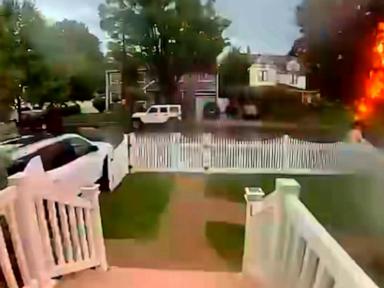
A bolt of lightning carries up to one billion volts of electricity, yet the physical survival rate sits at roughly ninety percent. Most reports focus entirely on the flash, the thunderclap, and the immediate hospital discharge. They ignore the permanent neurological and psychological transformation that begins the moment the current exits the human body. Survivors do not simply heal and return to normal life. They inherit a complex medical anomaly that modern healthcare systems are ill-equipped to manage.
The Physics of the Strike
When lightning strikes a human, the electricity rarely passes entirely through the core. Instead, it typically travels across the skin via a phenomenon known as flashover, driven by the moisture and sweat on the body's exterior. Even so, millions of milliamperes penetrate internal pathways, seeking the path of least resistance through the nervous and cardiovascular systems.
Cardiopulmonary arrest occurs instantly in most severe cases. The heart’s natural pacemaker is scrambled by the external electrical charge, plunging the victim into ventricular fibrillation. Without immediate bystander cardiopulmonary resuscitation, brain death follows within minutes. Those who make it to an emergency room face a cascade of internal failures that textbooks rarely capture.
Neurological Carnage
The human brain operates on electrochemical impulses. Introduce an external electrical shock of astronomical proportions, and the internal wiring suffers catastrophic damage. Survivors frequently report chronic memory loss, cognitive slowing, and a persistent inability to concentrate.
Peripheral nerve damage manifests as a constant, burning sensation known as paresthesia. Muscles twitch uncontrollably. Chronic pain becomes a permanent baseline. Many develop Lichtenberg figures—feathery, fern-like skin patterns that trace the path of capillaries bursting beneath the epidermis under extreme thermal and electrical stress. While these temporary markings usually fade within days, the internal scarring remains permanent.
The Psychological Toll
Physical wounds heal faster than psychological trauma. Survivors often experience severe post-traumatic stress disorder, compounded by sensory hypersensitivity. The sound of rain, the flicker of a distant lightbulb, or the rumble of thunder triggers immediate panic attacks.
Isolation is another hidden hazard. Because lightning strike injuries leave few visible, long-term markers compared to traditional trauma like car crashes, friends and employers struggle to comprehend the invisible disability. Victims lose jobs, relationships fracture, and support groups remain sparse. Medical research into long-term sequelae is severely underfunded, leaving survivors to navigate a maze of chronic fatigue and cognitive deficits largely on their own.
Rebuilding a life after a strike requires specialized neurological rehabilitation, chronic pain management, and psychological counseling tailored to electrical trauma. The flash lasts a fraction of a second. The reality lasts a lifetime.