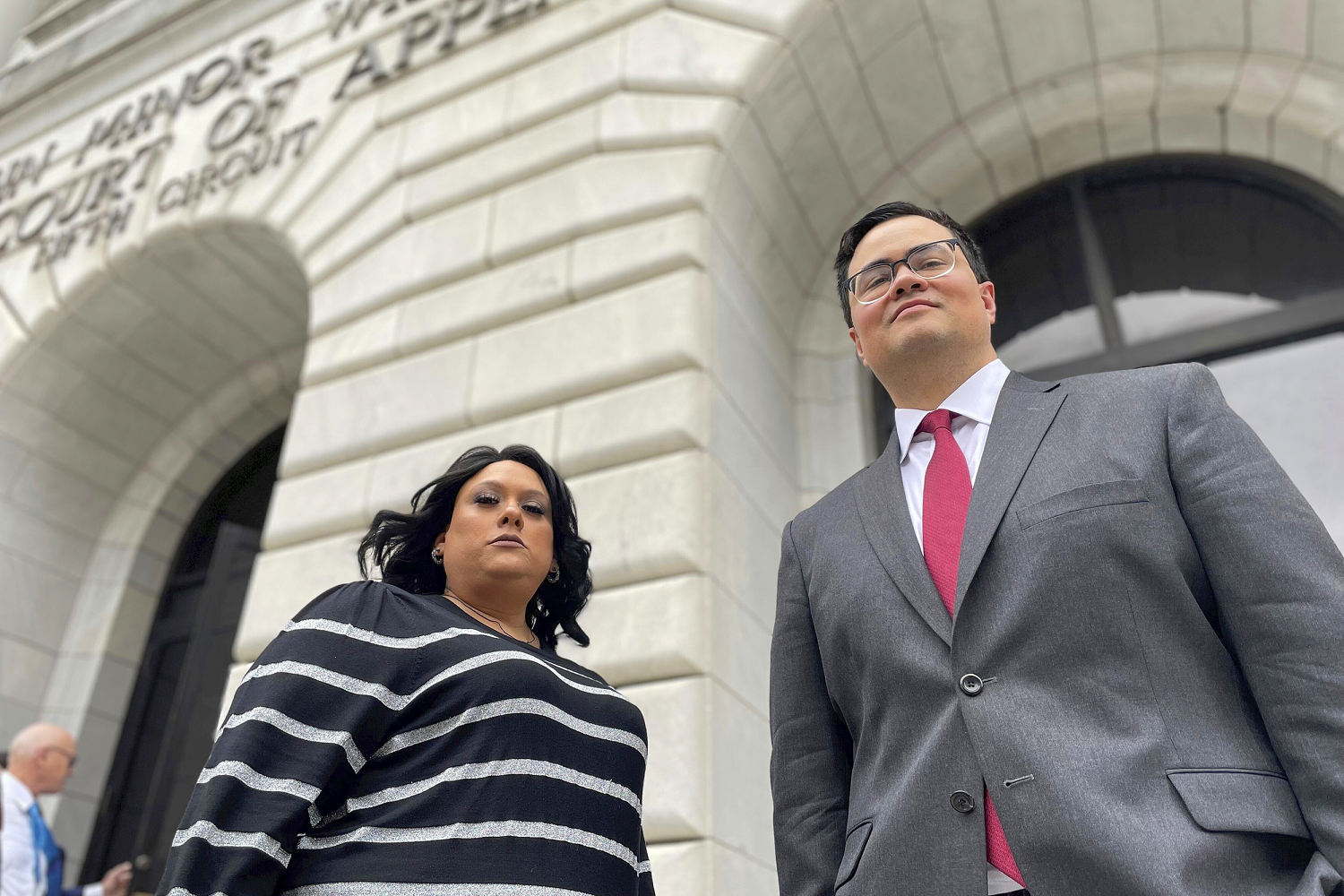
The outrage machine is redlining. If you’ve spent five minutes on social media or skimmed the "civil liberties" newsletters this week, you’ve seen the narrative. A "citizen journalist" in Laredo, Texas, gets arrested for doing her job. She sues. The Supreme Court refuses to hear her case. The headlines scream that the First Amendment is dead, buried under the weight of judicial apathy.
They are wrong. They are dangerously, fundamentally wrong.
By declining Villarreal v. City of Laredo, the Supreme Court didn't kill the free press. It refused to hand out a "Get Out of Jail Free" card to anyone with a smartphone and a Facebook following. The collective wailing from the media class misses a cold, hard truth: journalism is a function, not a shield for administrative chaos.
If you think Priscilla Villarreal is a martyr for the First Amendment, you haven’t been paying attention to how law actually functions in the real world. You’re looking at a caricature of justice while ignoring the structural integrity of the legal system.
The Myth of the Untouchable Reporter
The "lazy consensus" argues that because Villarreal was seeking information from a government official—a standard reporting task—she should be immune from any local statute that complicates that process. This is the "Journalist as Super-Citizen" fallacy.
The First Amendment guarantees you the right to speak and publish. It does not grant you a tactical advantage over the criminal code. Villarreal was arrested under a Texas law that prohibits soliciting non-public information for a "personal benefit." In her case, that benefit was "scooping" the traditional media to grow her Facebook following.
Critics call the law "archaic" or "vague." Maybe it is. But here is the nuance the outrage mob ignores: the legal battle wasn’t about whether the law was good. It was about Qualified Immunity.
To win a Section 1983 lawsuit against officials, a plaintiff has to prove that the officers violated a "clearly established" right. There is no clearly established constitutional right to solicit confidential information from a back-channel source in violation of a specific state statute, even if that statute eventually turns out to be unconstitutional.
I’ve seen dozens of civil rights cases fall apart because activists wanted the court to invent a right on the fly. That’s not how the system works. If you want to change the law, you lobby the legislature. You don't ask the Supreme Court to retroactively punish police officers for enforcing a law that was on the books at the time of the arrest.
Transparency is Not a License for Anarchy
The "People Also Ask" section of your brain is probably screaming: But don't we want reporters to get the scoop?
Of course we do. But we also want a functioning government where sensitive information—like the names of deceased individuals before their families are notified—isn't treated like a commodity for social media engagement.
Villarreal’s "scoops" often involved identifying suicide victims or car accident casualties before the police had cleared the scene or contacted the next of kin. This isn't "muckraking." This is digital ambulance chasing. When we conflate the right to "report" with the right to interfere in active investigations or administrative privacy, we degrade the profession of journalism itself.
The Problem with "Citizen" Labels
We’ve spent the last decade fetishizing the "citizen journalist" because we’re mad at the New York Times. I get it. The legacy media is often out of touch. But "citizen journalism" has become a linguistic cloak for "unaccountable actor."
A professional newsroom has a legal department. It has editors who weigh the public interest against potential harm. It operates within a framework of ethical standards that, while flawed, provide a baseline for conduct. Villarreal operated in the Wild West of Facebook Live.
When the courts refuse to grant special status to these actors, they aren't suppressing the truth. They are maintaining the boundary between public inquiry and private interference.
The Qualified Immunity Boogeyman
The 5th Circuit Court of Appeals—often the most conservative and scrutinized court in the country—originally sided with Villarreal. Then, in a rare move, they reversed themselves en banc. The court realized that if they allowed Villarreal’s suit to proceed, they would be creating a world where every arrest of a person with a social media account could be litigated as a First Amendment violation.
Imagine a scenario where a local blogger is arrested for trespassing on a crime scene. Under the "Villarreal Standard" her supporters wanted, she could sue the officers personally, claiming her status as a "journalist" gave her a "clearly established" right to be there.
That leads to a paralyzed police force. Not because they fear "the truth," but because they fear the ruinous cost of defending frivolous lawsuits from every person with 500 followers and a grudge.
Why This is Actually Good for the Press
The most counter-intuitive part of this? This ruling protects real investigative journalism.
When "journalism" is defined so broadly that it includes soliciting confidential tips for "clout" or "personal benefit," the currency of the First Amendment is debased. If everyone is a journalist, no one is.
If the Supreme Court had taken this case and ruled in Villarreal's favor, they would have had to define exactly what constitutes a journalist to avoid the "anarchy" scenario mentioned above. Do you really want the government—the very entity you are supposed to be watching—defining who is and isn't a "real" reporter?
By staying out of it, the Court avoided creating a federal licensing scheme by another name. They left the messy, local work of policing and reporting to the local jurisdictions.
The Hard Truth About Texas Penal Code 39.06(d)
The law Villarreal was arrested under was eventually declared unconstitutional by a local judge. That is exactly how the system is supposed to work. The law was flawed; the law was struck down.
But the officers who made the arrest? They were operating under a statute that existed. To strip them of immunity for doing their jobs based on a law that hadn't been voided yet would be a total collapse of the rule of law.
We can’t have it both ways. We can’t demand that police follow the law to the letter and then sue them when they follow a law we happen to dislike.
The Professional Price of Amateurism
The media’s defense of Villarreal is a defensive crouch. They are terrified that if she isn't protected, they won't be either.
This is a failure of confidence. A professional journalist knows the difference between a high-stakes whistleblower leak and a back-alley tip about a suicide victim's ID. One is in the public interest; the other is a cheap grab for views.
If we want the protections of the First Amendment, we have to accept the responsibilities that come with it. We have to be better than the people we cover. We have to understand that the "right to know" isn't a blank check to disrupt the basic functions of local government.
Stop Looking for a Judicial Savior
The obsession with this case proves that we’ve become a society that wants the courts to solve every moral and professional dilemma.
- Don't like the arrest? Change the local ordinances.
- Don't like the police? Vote for a different sheriff.
- Don't like the news? Support better outlets.
The Supreme Court didn't "fail" us. It did its job. It looked at a messy local dispute involving an amateur who played fast and loose with administrative secrets and said, "This is not a constitutional crisis."
It’s time to stop crying wolf every time a "citizen journalist" hits the guardrails of the legal system. The First Amendment is fine. It just doesn't belong to the loudest person in the room.
Go file a FOIA request. Do the work. Stop expecting the Supreme Court to bail you out for being reckless.