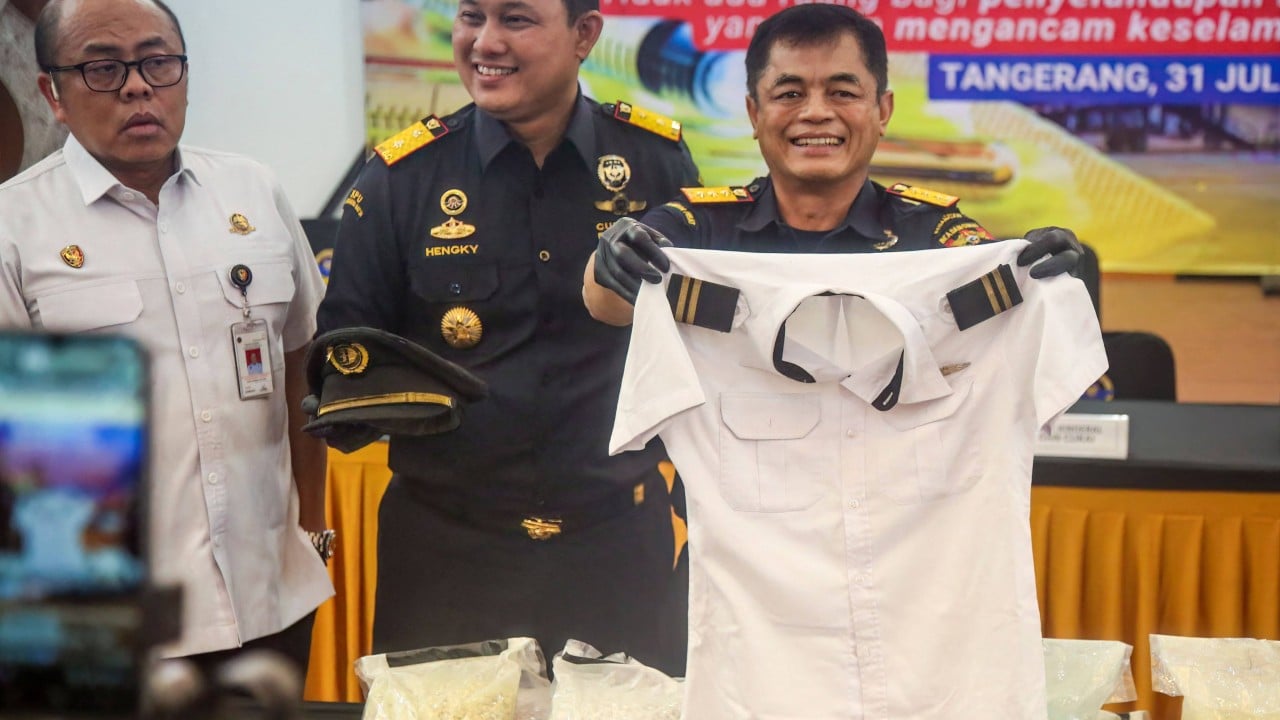
Commercial aviation networks possess inherent vulnerabilities that transnational drug trafficking syndicates systematically exploit, bypassing traditional border controls through the manipulation of trusted insider credentials. The arrest of a second commercial pilot in Malaysia, directly linked to a multi-million-dollar narcotics seizure at Soekarno-Hatta International Airport in Jakarta, exposes the operational mechanics of cross-border smuggling networks operating within the commercial aviation sector. Understanding how these syndicates convert routine flight schedules into logistics vectors requires examining the structural breakdown of airport security checkpoints, financial layering operations, and the economic incentives driving insider threats.
The Operational Anatomy of Insider Smuggling Vectors
Traditional smuggling relies on concealing contraband within cargo containers or commercial freight, subject to customs inspection rates, manifest verification, and automated scanning. Insider vectoring bypasses these checkpoints by leveraging the crew fast-track lanes, known structurally as Crew Customs and Immigration channels. Flight crew members undergo expedited security screenings compared to standard passengers, a operational necessity required to maintain tight turnaround times for commercial flight rotations.
Syndicates exploit this friction-reducing protocol by recruiting individuals possessing active airline identification badges. In the case involving the initial detention of a 39-year-old pilot at Jakarta's primary international hub, customs officers discovered approximately 25 kilograms of ecstasy pills and methamphetamine distributed across luggage compartments. The physical volume of 70,000-plus pills demonstrates that the operation did not rely on personal concealment or minor pocket transport. Instead, it required institutional blind spots where crew baggage receives minimal physical inspection relative to high-density passenger queues.
The supply chain architecture of this syndicate relied on distinct functional tiers:
- Upline Suppliers: Local operatives who procure bulk chemical narcotics from clandestine manufacturing nodes.
- Transport Couriers: Trusted insiders, such as commercial airline crew members, who leverage professional travel credentials to cross sovereign borders without standard baggage scrutiny.
- Financial Clearing Agents: Intermediaries responsible for managing liquidity, converting illicit cash proceeds, and layering funds across distinct banking entities to obfuscate the paper trail.
The Economics of Transnational Narcotics Valuation
The intercepted shipment, valued at approximately 45 million ringgit, highlights the extreme valuation density of synthetic drugs like ecstasy and methamphetamine. High valuation density alters the risk-reward calculation for aviation personnel facing stagnant or declining real wages against the backdrop of rising urban living costs in Southeast Asia.
When a syndicate deploys a commercial pilot as a courier, they purchase two assets: physical transport capacity and regulatory immunity derived from uniform credentials. The marginal cost of adding 25 kilograms of contraband to an existing flight deck rotation is near zero in terms of logistics, while the payout structure dwarfs standard monthly compensation packages for commercial aviators.
However, law enforcement counter-strategies target the structural dependencies of these syndicates, specifically focusing on capital flows rather than just physical interdiction. The apprehension of a second pilot in the Klang Valley region—an individual working for a separate airline who tested negative for drug use but managed fund transfers—proves that operational security requires specialized division of labor. Couriers rarely handle capital cleansing, and financial managers rarely cross borders with physical product.
Systemic Vulnerabilities in Multi-Airline Conspiracies
The involvement of multiple airline personnel across different commercial carriers indicates a networked syndicate model rather than an isolated insider breach. When criminal enterprises infiltrate multiple corporate entities, they reduce single-point-of-failure risks. If one airline increases internal security audits or drug-testing frequencies, the network routes physical transport through alternative carrier personnel whose rosters operate independently.
The Bukit Aman Narcotics Crime Investigation Department's deployment of specialized teams to Jakarta, followed by domestic sweeps under the Dangerous Drugs (Special Preventive Measures) Act, illustrates the defensive response mechanism required to dismantle networked cells. Under preventative detention frameworks allowing extended holding periods without trial, investigators map the communication topologies and financial ledgers connecting suppliers, couriers, and money handlers.
To neutralize these vulnerabilities, aviation authorities face a difficult trade-off between operational efficiency and security tightening. Eliminating expedited crew screening would introduce severe scheduling bottlenecks across commercial fleets, increasing turnaround times and airline operating costs. Conversely, maintaining current trust-based exemptions leaves the aviation corridor open to sophisticated criminal syndicates willing to invest millions in corrupting certified flight crew.
Future interdiction frameworks must decouple crew credentials from physical bag exemption. Implementing random, high-frequency biometric and baggage audits for flight deck personnel upon arrival at high-risk destination ports disrupts the predictability that syndicates rely on to execute cross-border transfers.
Malaysia arrests second pilot linked to Jakarta Ecstasy pills smuggling
This coverage details the arrest of the second pilot and the broader transnational drug investigation involving commercial airline personnel.