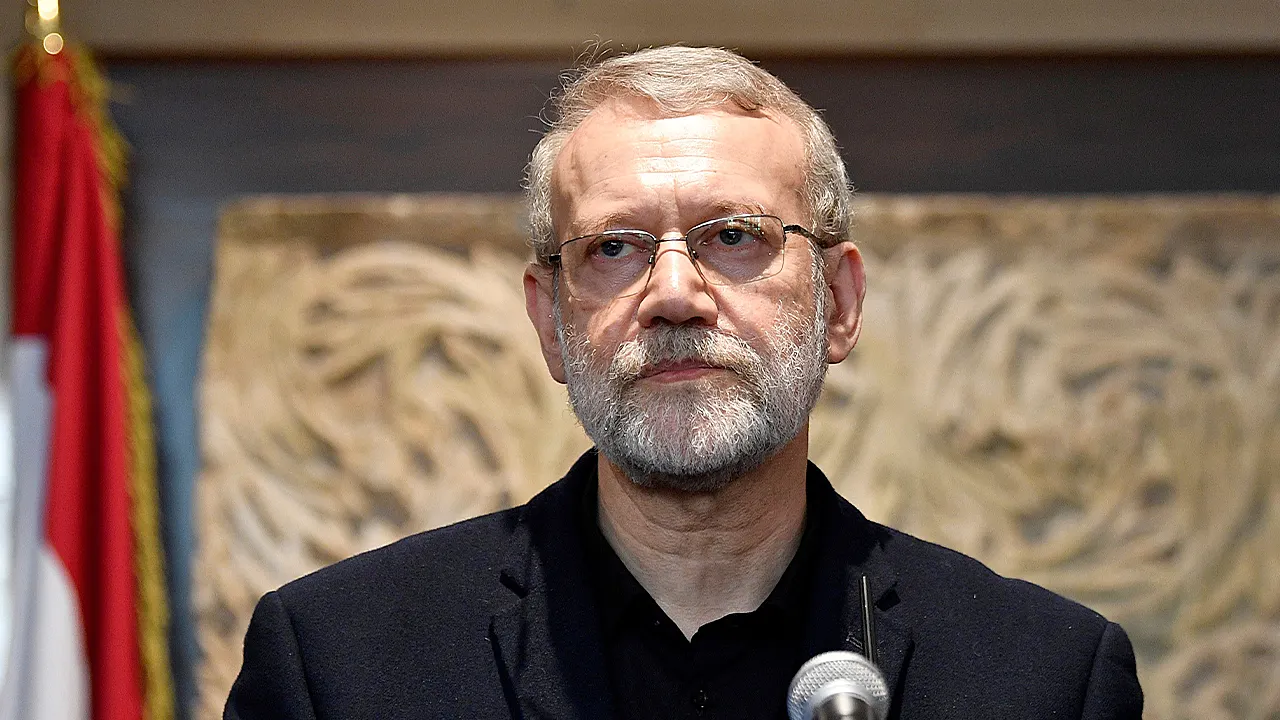
Diplomatic press releases are the junk food of geopolitics. They are high in sodium, low in substance, and leave you feeling slightly sick if you consume too many. The recent "warm exchange" between Prime Minister Modi and Kuwait’s Crown Prince Sheikh Sabah Al-Khaled Al-Sabah is the latest example. The headlines scream about "reiterating stands on peace" and "strengthening ties."
It’s a performance. It’s a choreographed dance designed to hide the fact that the old rules of Middle Eastern diplomacy are dead.
The media wants you to believe that India is merely a concerned bystander hoping for stability. They are wrong. India isn't just watching the fire; it is quietly redesigning the fireplace. While the mainstream press obsesses over the boilerplate language of "regional peace," they miss the cold, hard shift from ideological alignment to brutal transactionalism.
The Myth of the Diplomatic Mediator
Most analysts argue that India’s value in the Gulf lies in its ability to play the "neutral friend." This is a fundamental misunderstanding of power. In the real world, neutrality is often just another word for irrelevance.
The consensus suggests that India’s phone calls to Kuwait or the UAE are about "fostering" (a word I loathe) stability. Nonsense. These calls are about leverage. India is no longer a supplicant looking for oil security. It is the world’s largest back-office and its most hungry consumer market.
When Modi speaks to the Kuwaiti leadership, he isn't just talking about peace in the Levant. He is talking about the 1 million-plus Indian nationals who act as the nervous system of the Kuwaiti economy. He is talking about the fact that if India decided to pivot its energy procurement aggressively toward Russia or the Americas, the Gulf’s balance sheets would bleed.
The "peace" mentioned in these calls isn't a moral stance. It’s a business requirement.
Kuwait is the Canary in the Coal Mine
Why Kuwait? Why now? While the world looks at Saudi Arabia’s flashy "Vision 2030" or Dubai’s skyline, Kuwait represents the old guard of the Gulf—wealthy, traditional, and increasingly nervous.
Kuwait’s sovereign wealth fund, the Kuwait Investment Authority (KIA), is one of the largest on the planet. They have billions looking for a home that isn't a volatile Western tech stock or a crumbling European bond. India is the only destination with the scale to absorb that capital.
The "regional peace" talk is code for: "Don't let the neighborhood blow up before we finish moving the money."
I have sat in boardrooms where "strategic partnerships" were discussed. The suit-and-tie crowd loves to talk about shared values. In reality, shared values don't pay the bills. Shared vulnerabilities do. India and Kuwait are bound by a mutual fear of a post-oil world. That is the conversation happening under the table, while the press release talks about "historical bonds."
The West is Flailing India is Scaling
If you want to see what a failing Middle East policy looks like, look at Washington. The U.S. approach is a mess of contradictions—preaching human rights one day and selling missiles the next. It’s inconsistent and, frankly, exhausting for Gulf leaders.
India offers something the West can't: Indifference to internal politics.
Modi’s "Look West" policy works because it doesn't come with a lecture. India doesn't care how Kuwait governs itself. It cares if the ports stay open and the UPI integration works. This is the "Bazaar Diplomacy" model. It’s messy, it’s transactional, and it is significantly more effective than the "Missionary Diplomacy" of the West.
The Diaspora as a Weapon of Peace
The competitor article treats the Indian diaspora in Kuwait as a "bridge of friendship." That is a soft, lazy metaphor.
In reality, the diaspora is a demographic occupation.
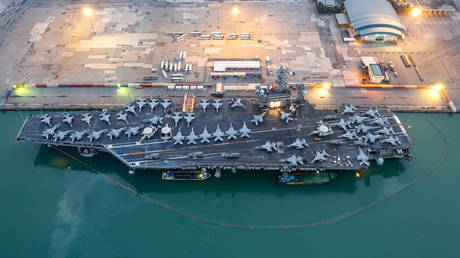
Think about it. If the Indian workforce in the Gulf went on strike for 48 hours, those nations would grind to a halt. Hospitals would close. Power grids would flicker. The "reiteration of peace" is a reminder of this quiet power. India doesn't need to station a carrier strike group in the Persian Gulf to have influence. It already has an army there—one that wears blue collars and scrubs instead of fatigues.
This isn't about "soft power." It’s about structural necessity. The Gulf leaders know that their internal security depends on the stability of their foreign workforce. When Modi calls, he isn't just a head of state; he’s the Chairman of the Board of the world’s largest labor provider.
Stop Asking About "Peace" Start Asking About "Price"
People always ask: "Can India actually stop a war in the Middle East?"
The answer is: "No, and it shouldn't try."
The premise of the question is flawed. India’s goal isn't to be the world’s policeman. That’s an expensive, thankless job that has ruined every empire that tried it. India’s goal is to be the world’s essential partner.
The "reiteration of peace" is a signal to the markets, not a command to the combatants. It tells investors that despite the chaos in Gaza or the tensions in the Red Sea, the India-Gulf corridor is "Open for Business."
The Strategic Failure of "Balanced" Reporting
The media fails because it tries to be balanced when the reality is skewed. They report on these calls as if they are a meeting of equals. They aren't.
India is an ascending superpower with a 3-trillion-dollar-plus economy and a demographic dividend. Kuwait is a petro-state trying to figure out how to survive the 21st century. The power dynamic has shifted. The tone of these "warm conversations" is increasingly one where India sets the terms of engagement.
If you’re still reading these diplomatic updates and looking for "insight" into peace treaties, you’re looking at the wrong map. You should be looking at the trade data for the India-Middle East-Europe Economic Corridor (IMEC). You should be looking at the volume of remittances and the diversification of the KIA’s portfolio.
The Hard Truth About Regional Stability
Regional peace is a luxury. Trade is a necessity.
India’s "stand on regional peace" is actually a stand on uninterrupted logistics. If peace helps the ships move, India is for it. If a "controlled conflict" keeps a rival power busy and energy prices predictable, India will stay silent.
The contrarian truth is that India’s silence on specific geopolitical flashpoints is its greatest strength. By refusing to take sides in the sectarian or ideological battles of the Middle East, India ensures it is the only player everyone still talks to.
Stop Falling for the Script
The next time you see a headline about Modi talking to a Gulf leader, ignore the first five paragraphs. Skip the quotes about "mutual respect" and "civilizational ties."
Look for the mention of "food security."
Look for the mention of "fintech."
Look for the mention of "energy transition."
That is where the real war is being fought. Not with drones and missiles, but with MoUs and equity stakes. The competitor thinks this is a story about diplomacy. It’s actually a story about an economic takeover disguised as a phone call.
India isn't asking for peace. It’s billing for it.
Go check the investment flows into the Adani Group or Reliance from Gulf sovereign funds right after these "peace talks." The correlation isn't an accident; it's the invoice. If you aren't tracking the money, you aren't tracking the diplomacy. You're just reading the brochure.