The Invisible Hand Stabilizing Global Oil
Tehran and Muscat are currently engaged in a high-stakes diplomatic maneuver to ensure that the Strait of Hormuz remains open despite escalating regional friction. While public statements focus on "smooth transit" and maritime cooperation, the reality involves a complex web of security guarantees designed to prevent a total energy blockade. Oman is acting as the primary pressure valve, translating Iranian intent for Western powers to avoid a miscalculation that could send crude prices into an unrecoverable tailspin.
This isn't just about ships moving from point A to point B. It is about the survival of the global supply chain.
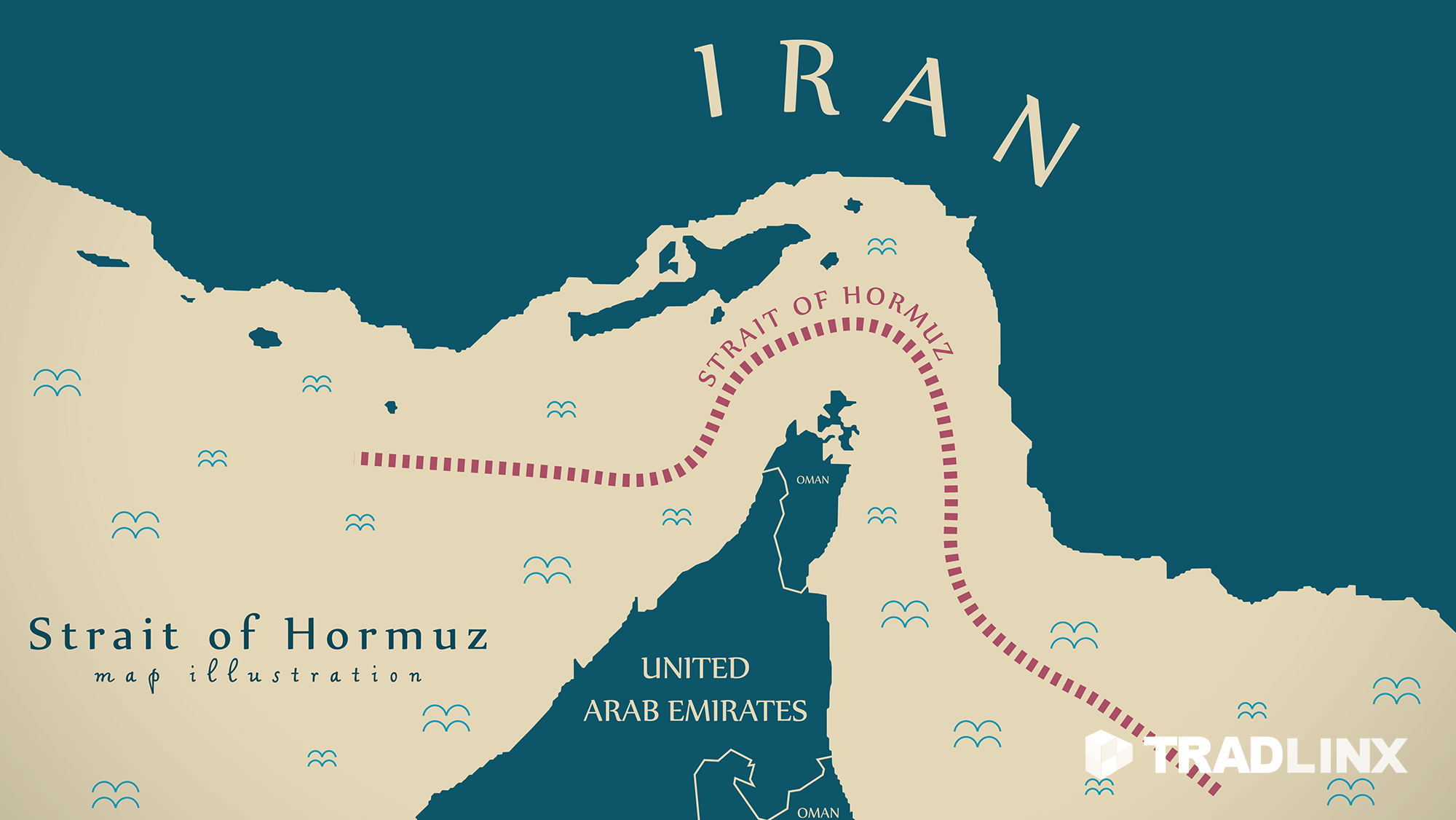
The Strait of Hormuz is the world's most sensitive chokepoint. Approximately one-fifth of the world’s liquid petroleum consumption passes through this narrow stretch of water every single day. If the flow stops, the global economy doesn't just slow down; it breaks. The recent discussions between Omani and Iranian officials are a preemptive strike against chaos, aiming to formalize "rules of the road" at a time when traditional international law is being ignored by non-state actors and regional powers alike.
Beyond the Official Communique
When the Omani Foreign Ministry issues a statement about maritime safety, the markets usually barely flinch. However, the timing of these latest talks suggests something far more significant than routine bureaucracy. Iran is currently facing intense internal and external pressures. By engaging with Oman—a nation that has mastered the art of "neutrality as a service"—Tehran is signaling that it still views the Strait as a strategic asset to be managed, rather than a weapon to be detonated.
Oman’s role is unique. It doesn't just sit on the other side of the water; it provides the literal path for the deep-water shipping lanes. Most of the navigable channel for VLCCs (Very Large Crude Carriers) actually falls within Omani territorial waters. This gives Muscat a massive amount of leverage. They aren't just hosting a meeting; they are managing the security of the actual pavement the oil trucks of the sea drive on.
The discussions likely center on the Integrated Maritime Security Center in Muscat. This facility serves as the nervous system for regional monitoring. By sharing data and coordinating patrols with Iran, Oman is creating a buffer zone. This buffer prevents "accidental" seizures of tankers that have characterized the last few years of Persian Gulf tensions.
The Infrastructure of a Chokepoint
To understand why these talks matter, you have to look at the geography. The Strait is only about 21 miles wide at its narrowest point. But the actual shipping lanes—the two-mile-wide paths for inbound and outbound traffic—are separated by a two-mile buffer zone. It is a tight squeeze.
Why the Strait is Vulnerable
- Shallow Depths: Large tankers cannot simply "swerve" to avoid trouble. They are restricted to specific depths, making them sitting ducks for asymmetric warfare.
- Proximity to Launch Sites: Iranian coastal batteries can reach any point in the shipping lane with low-tech, high-impact weaponry.
- Asymmetric Tactics: The use of fast-attack craft and limpet mines has proven that you don't need a massive navy to shut down global trade. You only need to make insurance rates so high that no captain will agree to sail.
Insurance is the hidden hand here. When a tanker is seized or a mine is spotted, the War Risk Insurance premiums for every vessel in the Gulf skyrocket. For some operators, these costs can jump from a few thousand dollars to over $200,000 per voyage in a matter of hours. Oman and Iran are discussing how to keep these "risk perceptions" low. If they can guarantee a degree of "smooth transit," they keep the bean counters in London and Singapore from effectively blockading the region through sheer cost.
The Shadow Economy of the Persian Gulf
There is a segment of the maritime industry that thrives in the gray. Millions of barrels of "shadow" oil move through these waters every month, often on aging tankers with obscured transponders. Iran relies on this trade to bypass sanctions. Oman, while officially following international norms, often finds itself as the middleman in a region where everyone knows what is happening, but no one says it out loud.
The "smooth transit" discussions are partly about ensuring these shadow fleets don't collide with legitimate commercial traffic or trigger a military response from the Western task forces stationed in Bahrain. It is a delicate dance of managing the "white," "gray," and "black" shipping markets simultaneously.
The Failure of International Maritime Law
The 1982 United Nations Convention on the Law of the Sea (UNCLOS) is supposed to govern these waters. It outlines "transit passage," which allows vessels the right to pass through straits used for international navigation. However, Iran has signed but never ratified UNCLOS. They argue that they are only bound by "innocent passage," a much more restrictive standard that gives the coastal state more power to intervene if they feel their security is threatened.
Oman, conversely, is a signatory. This creates a legal friction point that can only be solved through bilateral agreements, not international courts. When an Iranian official talks to an Omani official, they aren't citing UN articles. They are discussing the reality of whose gunboats are where and which tankers are "off-limits."
The Counter-Argument: Is Stability Even Possible?
Critics of these bilateral talks argue that Oman is simply being used as a shield. By appearing to negotiate "smooth transit," Iran gains a diplomatic cover that makes it harder for the U.S. or its allies to justify increased naval presence or preemptive strikes.
There is also the "Houthi Factor." While the talks are happening in Muscat, the southern end of the Arabian Peninsula is seeing unprecedented disruption in the Red Sea. Some analysts believe the Hormuz talks are a way for Iran to show they can "turn off" the chaos just as easily as they can "turn it on," using the Strait as a bargaining chip for broader regional concessions.
The Logistics of the "New Normal"
For the master of a Suezmax tanker, the "smooth transit" means nothing until they see the actual security on the water. Modern maritime security in the Strait now involves a mix of:
- AIS Spoofing Protection: Ensuring that GPS signals aren't being jammed to lure ships into territorial waters where they can be legally seized.
- Drone Surveillance: Constant overhead monitoring to spot "suicide boats" or mine-laying activities before they reach the shipping lanes.
- Communication Protocols: Direct radio links between merchant vessels and the Omani Coast Guard to bypass slower international channels.
These are the concrete takeaways from the Muscat meetings. They are building a technical framework to prevent a "oops" moment from turning into a Third World War.
The Economic Burden of Neutrality
Oman pays a high price for its role as the region’s mediator. It must maintain expensive naval and air assets to patrol its side of the Strait, and it must constantly balance its relationship with the West against its proximity to Iran. If Muscat leans too far toward Tehran, it risks its standing with Washington. If it leans too far toward the U.S., it risks its own shoreline.
The current discussions suggest that the cost of neutrality is rising. As regional conflicts intensify, the "middle ground" is shrinking. Muscat is effectively trying to widen that ground by force of will. They are betting that both the West and Iran are more afraid of an oil-less world than they are of each other.
A Fragile Status Quo
Despite the optimistic language coming out of the meetings, the stability of the Strait remains an illusion held together by thin diplomatic threads. One rogue commander, one misidentified radar blip, or one stray drone could render these talks moot in seconds.
The "smooth transit" mentioned by Muscat is not a permanent state of being. It is a daily, hourly negotiation. The real news isn't that they are talking; it's that they have to talk so frequently just to keep the lights on in the rest of the world.
The Strait of Hormuz remains a loaded gun. Oman is simply trying to keep the safety catch on for one more day.
The shipping industry should not mistake these talks for a lasting peace. They are a temporary ceasefire in an ongoing economic war. Companies must continue to diversify routes, invest in "dark hull" detection, and prepare for a scenario where the Omani buffer finally snaps. The world’s most important waterway is being managed by a country with a population smaller than New York City, standing between two ideologies that have been at odds for decades.
Relying on Muscat to keep the global economy afloat is a gamble that the world has no choice but to take.
Watch the insurance rates. They tell the truth that diplomats won't. If the premiums stay flat after these talks, the "smooth transit" is real. If they tick upward, the meetings were a failure.