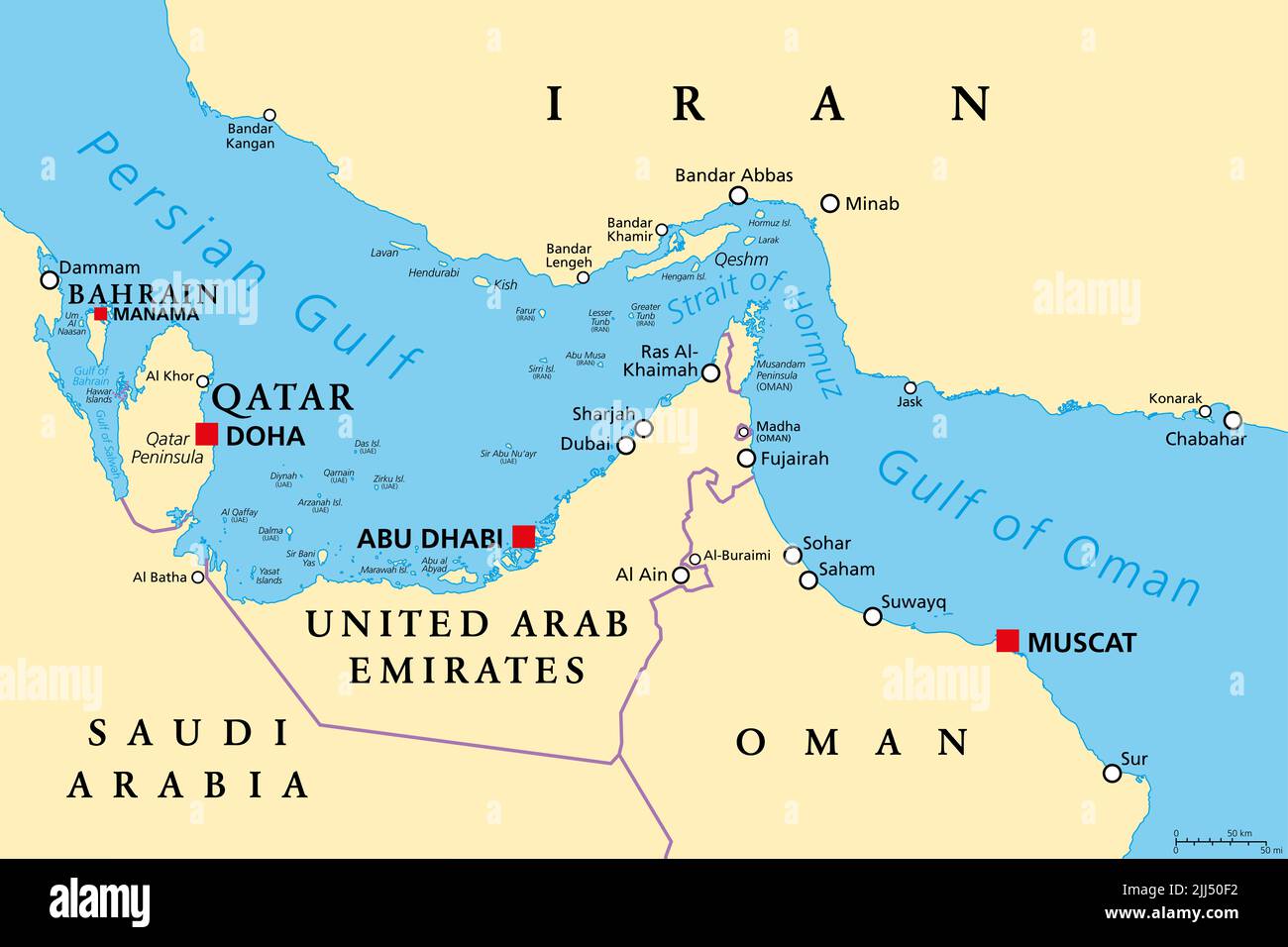
The Strait of Hormuz is not merely a geographic corridor; it is the physical manifestation of global energy systemic risk. When the flow of 21 million barrels of oil per day (bpd) is compromised, the impact is not a linear reduction in supply but a non-linear shock to the global price discovery mechanism. The recent OPEC declaration that a partial closure has reduced production by 30% creates a divergence between nominal supply and effective market availability. This 30% reduction represents a removal of approximately 6 to 7 million bpd of OPEC crude from the global balance, a volume that cannot be offset by existing spare capacity in the West or the release of Strategic Petroleum Reserves (SPR).
The Mechanics of Structural Supply Disruption
The fragility of the global oil market is defined by the Inelasticity of Short-Term Supply. When the Strait of Hormuz—through which 20% of the world's liquid petroleum passes—experiences a transit failure, the market enters a state of structural deficit.
The 30% production cut reported by OPEC is a forced curtailment. Unlike voluntary quotas designed to manage price floors, this is an operational stoppage. The supply chain for oil operates on a "Just-in-Time" basis regarding tanker schedules. If a tanker cannot exit the Persian Gulf, the upstream infrastructure (wells, flow lines, and storage tanks) reaches maximum capacity within days. Once storage is full, producers must "shut in" wells. The technical risk here is significant: shutting in mature wells can lead to permanent reservoir damage or expensive workover requirements to resume flow, meaning a "temporary" 30% cut can evolve into a long-term capacity erosion.
The Transit Risk Hierarchy
The threat to the Strait of Hormuz can be categorized into three distinct risk tiers, each with a different impact on the global cost function:
- Kinetic Blockage: Physical obstruction or active military engagement that halts all traffic. This leads to an immediate cessation of roughly 17 million bpd of crude and 4 million bpd of condensate/refined products.
- Insurance and Risk Premium Escalation: The "War Risk" premium. Even if the Strait remains technically open, the cost to insure a Very Large Crude Carrier (VLCC) can spike by 500-1,000%. This cost is passed directly to the refiner, suppressing margins and incentivizing them to seek non-Gulf grades (Brent, WTI, or Urals), which in turn creates a price "squeeze" on those benchmarks.
- Logistical Rerouting Inefficiency: Attempting to bypass the Strait via the East-West Pipeline (Saudi Arabia) or the Abu Dhabi Crude Oil Pipeline. These have a combined capacity of approximately 6.5 million bpd. Utilizing these alternatives creates a 14.5 million bpd shortfall that remains unaddressed, while simultaneously increasing the ton-mile demand on the global tanker fleet.
Demand Destruction vs. Demand Delay
OPEC’s warning regarding threatened demand growth this year stems from the Price Elasticity of Demand. At a certain price threshold—historically observed when oil expenditures exceed 4% of global GDP—consumers begin to modify behavior.
The "30% production cut" acts as a catalyst for two distinct economic phenomena:
1. The Industrial Cost Push
Energy-intensive industries (petrochemicals, steel, aviation) operate on thin margins. A sustained outage in the Strait forces these players to reduce utilization rates. We see this first in the crack spreads—the difference between the price of crude oil and the products extracted from it. If crude prices rise due to a Hormuz squeeze but refined product demand is suppressed by high retail prices, refineries lose the incentive to produce, leading to a secondary supply shock in gasoline and diesel.
2. The Macroeconomic Feedback Loop
The primary threat to demand growth is not the lack of oil, but the central bank response to the resulting inflation. An energy-driven spike in the Consumer Price Index (CPI) forces a hawkish monetary stance. Higher interest rates to combat energy-induced inflation reduce the availability of capital for industrial expansion, thereby killing the very demand growth OPEC originally projected for the fiscal year.
The Geopolitical Arbitrage of Spare Capacity
The global energy market relies on a "buffer" known as spare capacity, primarily held by Saudi Arabia, the UAE, and Kuwait. The irony of the Hormuz closure is that the actors holding the spare capacity are the ones physically blocked from delivering it.
The only viable counter-balance is the US shale patch and the SPR. However, US shale is currently governed by "Capital Discipline" models. Publicly traded E&P (Exploration and Production) companies are prioritizing shareholder returns (dividends and buybacks) over aggressive production growth. Even if prices hit $120 per barrel, the lag time to drill, complete, and connect a new well to a pipeline is six to nine months. Consequently, the US cannot act as a "swing producer" in a timeframe relevant to a Hormuz crisis.
The SPR Limitation
The US Strategic Petroleum Reserve has been drawn down to historic lows over the past 24 months. Its current ability to dampen a 3-month total closure of the Strait is mathematically impossible. The maximum withdrawal rate of the SPR is roughly 4.4 million bpd. If OPEC production is down 30% (6-7 million bpd), and the Strait is closed (21 million bpd total flow), the SPR can only cover approximately 20% of the missing volume for a limited duration.
The Mathematical Reality of the $150 Barrel
To quantify the impact, one must look at the Supply-Demand Balance Sheet. In a balanced market, supply equals demand at roughly 102 million bpd. A 30% cut in OPEC output, combined with the logistical bottleneck of the Strait, creates a daily deficit of 5-8% of global consumption.
Because oil demand is highly inelastic in the short term—people still need to drive to work and heat homes regardless of a 20% price hike—the price must rise high enough to "force" the poorest or most marginal users out of the market. This is the point of demand destruction. Quantitative models suggest that for every 1 million bpd of sustained deficit, the price of Brent crude increases by approximately $15-$20. A 6 million bpd shortfall (the OPEC 30% cut) creates a theoretical price floor of $150 per barrel, assuming no other market intervention.
Strategic Realignment and the Non-OPEC Pivot
The threat of a Hormuz closure forces a fundamental shift in procurement strategy for Asian refiners, who are the primary destination for Persian Gulf crude. China, India, and Japan are currently facing a "Single-Point-of-Failure" risk.
- Strategic Diversification: Expect an aggressive pivot toward Atlantic Basin crudes (Guyana, Brazil, US Gulf Coast). This creates a permanent shift in trade flows that may not reverse even after the Strait reopens.
- Infrastructure Investment: Increased capital expenditure in pipeline bypasses that do not terminate in the Persian Gulf.
- Energy Transition Acceleration: High volatility in fossil fuel supply chains serves as a non-market incentive for electrification. The 30% production cut effectively acts as a carbon tax, making renewable ROI look significantly more attractive to sovereign wealth funds.
The Strategic Playbook for Market Participants
The current data indicates that the "30% cut" is likely a conservative estimate if the logistical friction persists for more than 30 days. The primary risk is no longer the price of oil, but the Physical Availability of molecules.
For industrial consumers and institutional investors, the strategy must shift from price hedging to supply-chain hardening.
- Inventory Front-Loading: Organizations must shift from "Just-in-Time" to "Just-in-Case" inventory models. The cost of carrying excess inventory is currently lower than the cost of a total production shutdown due to fuel or feedstock lack.
- Basis Risk Management: Traditional hedges using WTI or Brent may fail if the local "landed" price of oil decouples from the futures market due to shipping and insurance premiums. Hedging must incorporate freight rate swaps (Forward Freight Agreements) to be effective.
- Credit Risk Scrutiny: High energy prices will trigger defaults in energy-intensive emerging markets. Counterparty risk assessments must be updated to account for a $130+ oil environment and its impact on sovereign debt stability.
The reduction in OPEC production is a systemic warning. The global economy is operating with a razor-thin margin of safety, and the Strait of Hormuz remains the single most potent lever for global economic destabilization. The data suggests that we are not entering a cycle of high prices, but a cycle of high volatility where the traditional relationship between supply, demand, and price is fundamentally broken by geographic constraints.