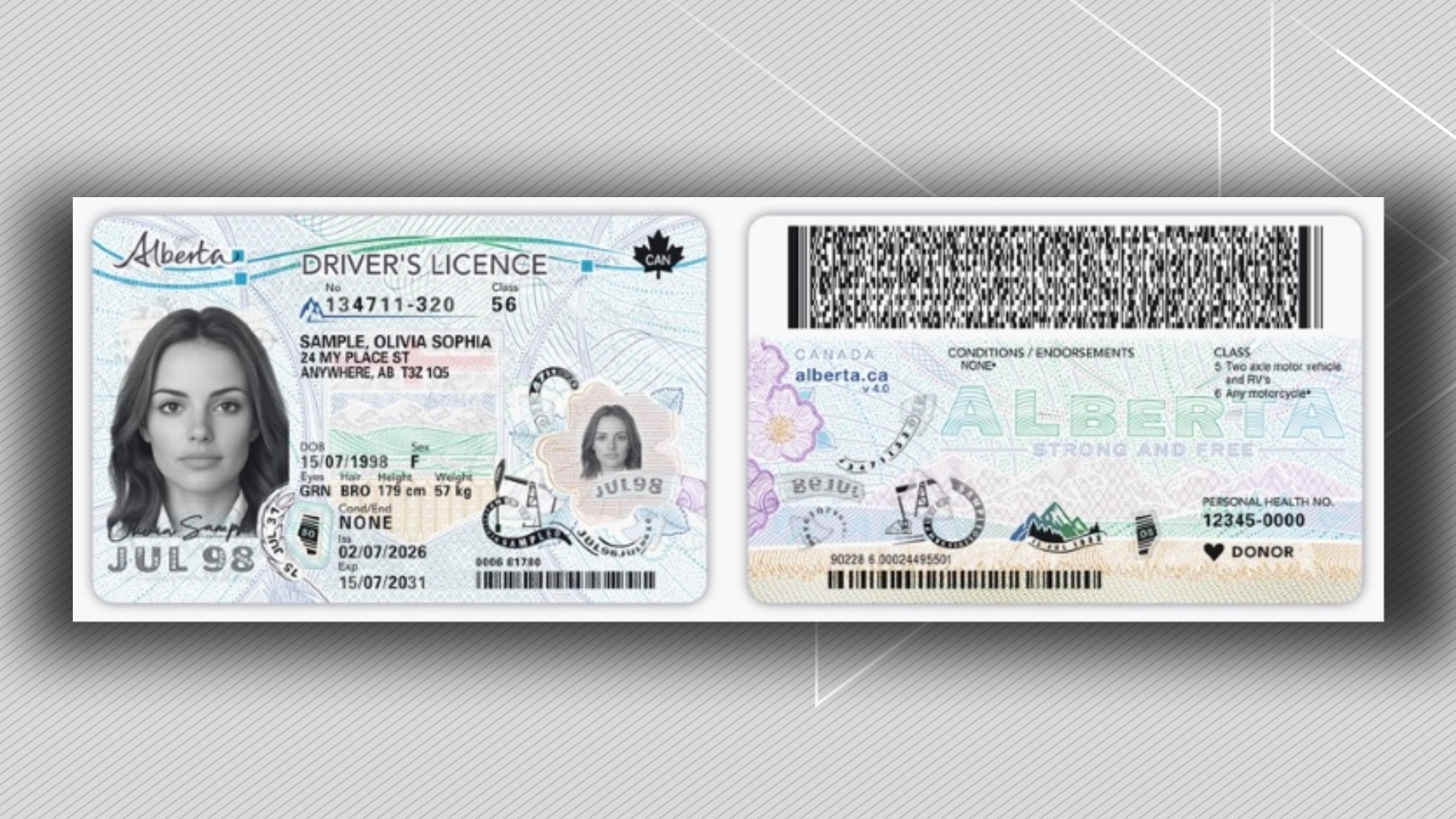
Another week, another media outcry over basic administrative competence. Headlines are wringing their hands over married women in Alberta running into friction while renewing their driver licences. The narrative paints a picture of a predatory bureaucracy ambushing unsuspecting citizens with sudden paperwork traps.
It is time to puncture that lazy consensus.
This is not a story about systemic misogyny or cruel registry agents. It is a story about the consequences of treating legal identification like a casual suggestion for forty years. If your identity documents do not match, the system is working exactly as intended when it stops you.
The Myth of the Surprise Bureaucratic Ambush
The core complaint making the rounds is that individuals who assumed a spouse's surname decades ago are suddenly being asked to prove who they are using marriage certificates or birth records. Critics call it an undue burden. They argue that provincial databases should magically stitch together a lifetime of informal name usage without requiring physical proof.
This perspective ignores how identity verification actually functions in a modern digital economy.
When you adopt a partner's surname through marriage in Alberta, you are executing an assumed name change, not a legal one. Your birth certificate remains your foundational legal anchor. For decades, registry clerks glanced at expired documents, winked, and pushed renewals through manually. That era of lax security is over, and good riddance.
Provincial systems now cross-reference national security and identification databases to stop identity fraud. When a database encounters a mismatch between a birth record and a driver profile, it throws a flag. Expecting a multi-billion-dollar identification network to bypass its own integrity checks just because finding your marriage certificate from 1984 is inconvenient is peak entitlement.
Personal Responsibility Is Not a Design Flaw
Adult life requires maintaining a paper trail. Passports expire. Health cards change. Birth certificates stay put. Treating the mandatory presentation of foundational documents as an operational crisis reveals a deeper unwillingness to manage one's own legal portfolio.
Imagine a scenario where banks, border agencies, and provincial registries accepted verbal assurances or mismatched aliases without a verified chain of custody. Fraud rates would skyrocket overnight. Security protocols are built precisely to inconvenience the unprepared so they can protect the compliant.
The grievance hinges on the idea that because a name change happened a long time ago, the requirement to prove it expires too. That logic holds up nowhere else in law or finance. You wouldn't expect a land title office to transfer a deed based on a casual handshake from thirty years ago. Why expect a jurisdiction to renew a license—which grants you the legal privilege to operate a multi-ton weapon on public asphalt—without verifying the exact spelling of your legal identity?
What You Should Do Instead of Complaining
Stop waiting until three weeks before your expiry date to look at your cards.
- Audit your portfolio today: Pull your driver licence, passport, birth certificate, and marriage documentation side by side. If a single letter or surname differs, your paperwork is out of sync.
- Secure the chain: If you chose the traditional route of an assumed surname, your marriage certificate is not a keepsake; it is a required legal bridge. Order a replacement copy from vital statistics immediately if it is lost.
- Accept the friction: Bureaucracy is the price of living in a stable society. Stop looking for villains where there are only rules.