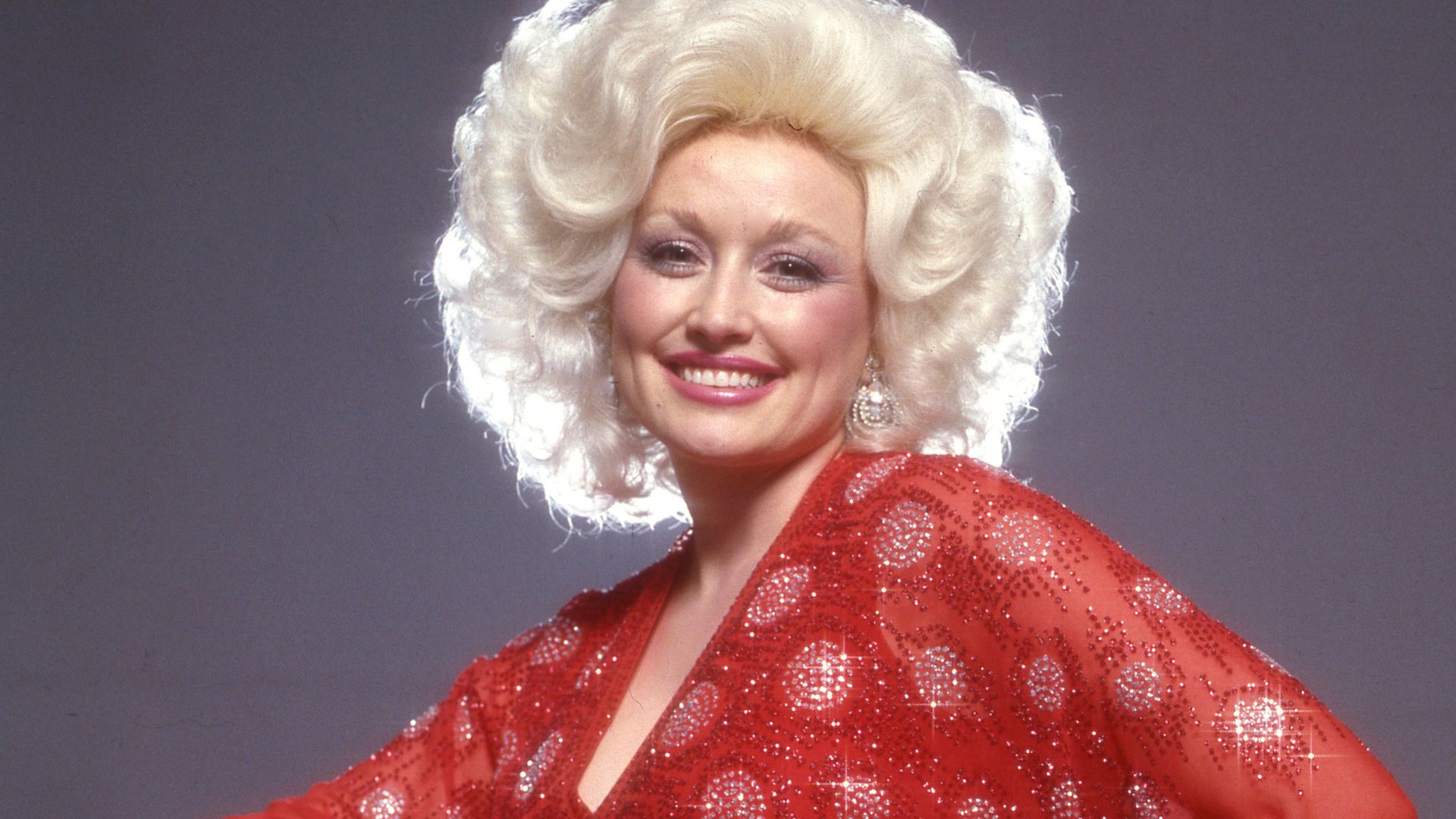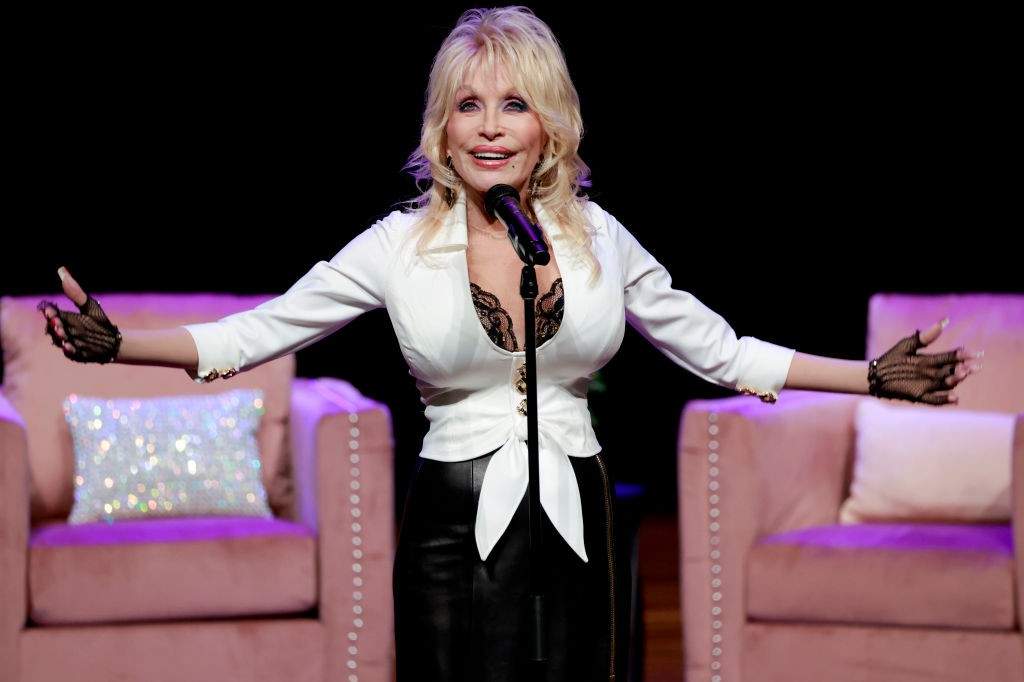
Nostalgia journalists love to package 1977 as the magical year Dolly Parton threw off her Nashville shackles, jumped on a tour bus, and sang her way into pop-cultural nirvana. They paint a picture of free-spirited authenticity, long highway miles, and raw Appalachian grit hitting the American interstate.
It is a comfortable fairy tale. And it is entirely wrong.
If you look past the sepia-toned media dispatches from that era, 1977 was not a folksy victory lap. It was a cold, calculated corporate extraction machine designed to sever a generational songwriter from her roots and repackage her into digestible pop product for suburban malls. We have sanitized the grind of that year into a Pinterest board, ignoring the brutal commercial mechanics that actually forced her hand.
The Myth Of The Independent Cowgirl
The lazy consensus among music historians is that Parton spent 1977 joyfully asserting her independence after finally cutting ties with Porter Wagoner. The reality is far messier. She was bleeding money, trapped in a predatory business arrangement, and facing a suffocating lawsuit over royalty distributions that threatened to bankrupt her ambitions.
I have seen artists burn through millions trying to buy their own master tapes, mistaking contractual emancipation for creative freedom. Parton was not skipping down the highway in 1977; she was running for her financial life. When media outlets like TIME chronicled her journey that year, they framed her relentless touring schedule as an artistic awakening. They omitted the panic of a performer realizing that traditional country radio had plateaued and that staying put meant financial obscurity.
To survive, she had to dismantle her own brand. She stopped sounding like the mountains and started sounding like Los Angeles.
The Pop Crossover Trap Nobody Talks About
Everyone praises the pivot that brought us "Here You Come Again". Critics treat the track as a spontaneous gift from the country gods. But let us look at the mechanics. Parton did not write that song; Barry Mann and Cynthia Weil did. She handed over creative control to producer Gary Klein because her self-produced pop experiments on the New Harvest... First Gathering album underperformed on mainstream charts.
The 1977 tour was the live-action marketing campaign for this forced stylistic dilution. Fans love to pretend that an artist can pivot effortlessly between genres without losing their soul. That is a fantasy. When Parton stepped onto pop stages in 1977, she was trading her authentic storytelling currency for crossover radio slots.
Imagine a scenario where a generational folk poet is told that her acoustic truth has an expiration date, forcing her to trade her banjo for a slick, string-infused arrangement just to clear the pop-chart threshold. That is not evolution. That is capitulation under economic duress.
✨ Don't miss: The Girl Who Borrowed the Sun
The trade-off worked, sure. She secured her empire, built a massive multi-demographic following, and laid the groundwork for Dollywood. But let us stop pretending the 1977 tour was an artistic triumph of self-expression. It was a hostile corporate takeover of a southern icon by the mainstream entertainment apparatus, engineered to turn Appalachian trauma into Billboard-chart inventory.
Dismantling The Archive
When modern commentators dissect that period, they ask why she changed her sound so drastically. The premise of the question is flawed. They assume artists choose their evolutions out of pure inspiration. They do not. Markets dictate survival.
If you want to understand how modern artists navigate burnout and corporate restructuring, stop studying the gloss of 1977 and study the ledger books. Parton survived because she understood that authenticity is a luxury item you can only afford after you own your masters. She played the game better than anyone else in Nashville history. But do not confuse the hustle for a vacation.
Stop romanticizing the road. It was an assembly line.