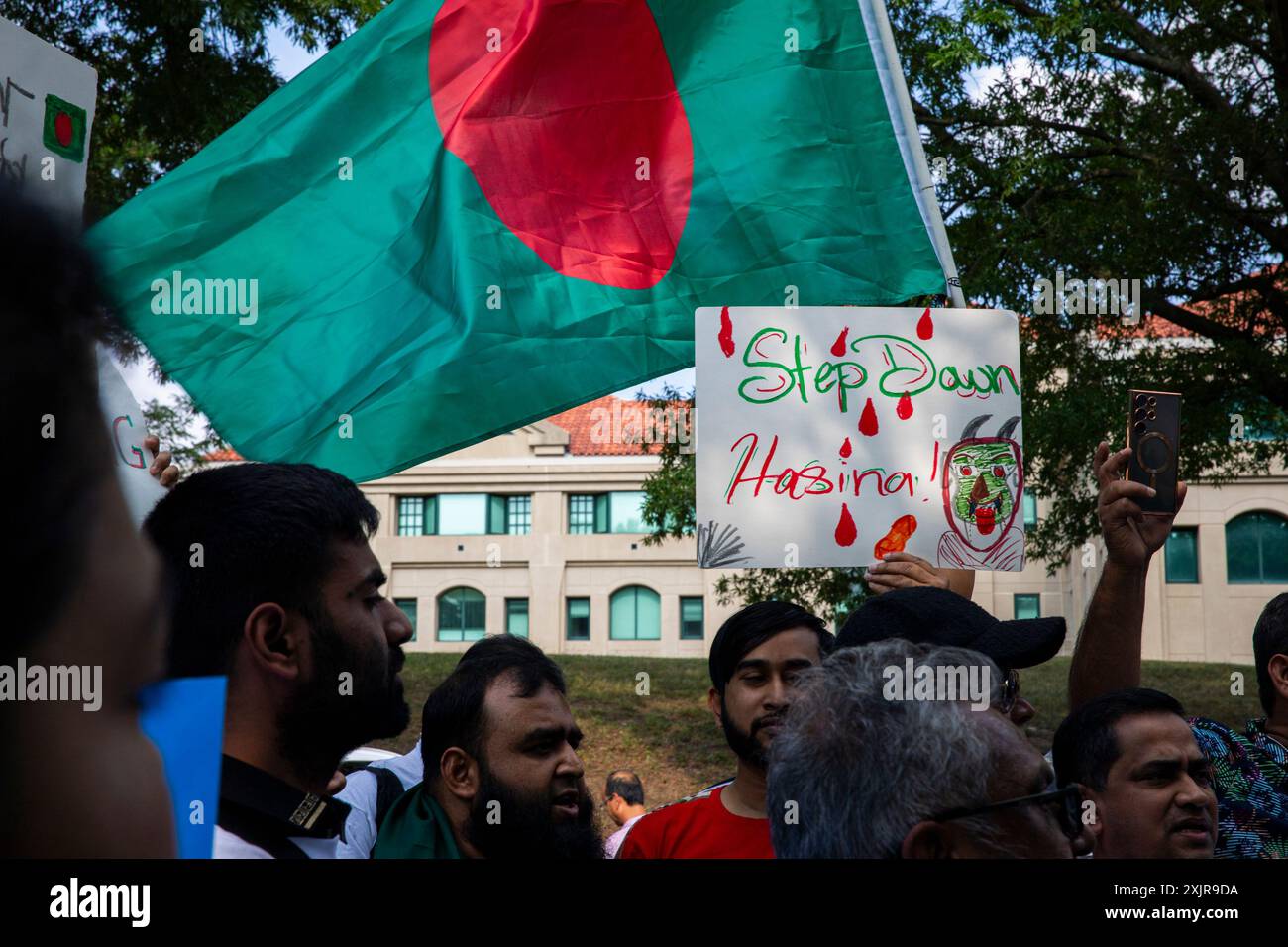
Every mainstream foreign policy column on South Asia reads like a rerun of a bad soap opera. The conventional narrative insists that the diplomatic freeze between Dhaka and New Delhi hinges entirely on one person. The lazy consensus claims that until Sheikh Hasina is extradited, tried, or quietly relocated to a third country, bilateral ties will remain frozen in amber.
This diagnosis is comfortable. It is simple. And it is entirely wrong.
When you strip away the emotional rhetoric and examine the structural realities of trade, security architecture, and domestic political survival, the Hasina fixation looks less like a core impediment and more like a convenient smoke screen. Both capitals are using her as an excuse to avoid hard strategic compromises.
The Faulty Premise of the Persona Trap
Foreign desks love personalization. It makes complex geopolitical friction digestible for an audience that prefers heroes and villains. The standard line is that India cannot stomach the optics of a friendly government in Dhaka falling to a mass uprising, while Bangladesh's interim administration cannot survive politically if it appears soft on New Delhi or cozy with a deposed leader.
I have watched diplomats chase these personality ghosts across continents for decades, blowing millions of dollars in institutional capital on summits that achieve nothing because they are answering the wrong question.
The question is never about an individual's passport or legal status. The question is whether two interdependent economies with porous borders can afford a permanent cold war. The answer is no. But admitting that requires breaking comfortable political habits on both sides.
The Trade Reality Check
Let us look at the economic data that the pundits conveniently ignore. Bangladesh remains one of India's largest export markets in the region. Millions of dollars in daily cross-border commerce flow through land customs stations regardless of who sits in the prime minister's office.
Power grids, transit corridors, and supply chains do not care about partisan boycotts or diplomatic snubs. When factories in Narayanganj need raw materials from West Bengal, commercial gravity takes over. The bureaucratic machinery in New Delhi understands this. The technocrats in Dhaka understand this too.
The deadlock is not stalling because of a stubborn political exile. It is stalling because both governments are domesticating foreign policy to appease domestic nationalist bases that reward belligerence over pragmatism.
The Security Paradox Nobody Mentions
Let us address the elephant in the room that mainstream analysts gloss over: border security and insurgency management.
For fifteen years, New Delhi enjoyed a security dividend on its eastern flank. Cooperation on counter-terrorism was unprecedented. When power shifted abruptly, Indian security planners panicked, fearing a vacuum that hostile regional actors would exploit.
This panic produced a defensive crouch. New Delhi adopted a posture of strategic distance, waiting for signs of instability or anti-India sentiment to justify containment measures. Meanwhile, Dhaka viewed every expression of Indian concern not as legitimate counter-terrorism anxiety, but as unwelcome interference in its domestic democratic rebirth.
Both sides are suffering from phantom limb syndrome. India misses a predictable interlocutor; Bangladesh resents the implication that it cannot manage its own sovereignty without external supervision.
Why the Status Quo Serves Domestic Audiences
Politicians do not maintain deadlocks by accident. They maintain them because conflict pays political dividends.
In Dhaka, adopting a tough stance against the old regime and signaling distance from New Delhi plays well with a restless youth demographic that demanded systemic change. In certain Indian political circles, portraying the eastern neighbor as unstable or hostile mobilizes domestic voter segments.
The downside of this cynical game is immense. Every month the reset stalls, transaction costs for businesses rise, infrastructure projects sit half-finished, and regional connectivity suffers.
Dismantling the Extradition Red Herring
The diplomatic rumor mill treats the potential extradition request as an immovable boulder. The logic goes that if India refuses, Bangladesh feels insulted; if India complies, it betrays a longtime ally and signals weakness to other regional partners.
This is a false binary designed by people who confuse legal theater with statecraft.
In the real world of international relations, inconvenient legal requests are parked in bureaucratic limbo for years. Extradition treaties have built-in escape hatches for political offenses. Both foreign ministries know this handbook backward and forward.
If Dhaka genuinely wanted to break the stalemate, it would decouple bilateral economic engagement from the Hasina extradition saga. If New Delhi wanted to unfreeze ties, it would separate humanitarian or legal disputes from regional transit and energy agreements.
The fact that they refuse to do so tells you everything you need to know. The deadlock is deliberate. It buys time for both administrations to shore up their domestic flanks while pretending to fight historic battles.
What Real Regional Pragmatism Looks Like
If you want to fix this relationship, stop reading press releases from foreign offices. Look at the port authorities, the energy traders, and the commercial banks. They are already engineering workarounds.
Cargo is moving through alternative channels. Transit protocols are being re-negotiated at the working level, far away from the television cameras. The adults are quietly returning to the room because geography is an unyielding master.
Bangladesh shares the bulk of its border with India. That physical reality will outlast every administration, every political uprising, and every cable news broadcast about diplomatic freezes.
The next time a headline tells you that bilateral ties are doomed because of a single political figure, remember what is actually happening beneath the surface. Real estate cannot be moved, trade routes cannot be wished away, and shared security cannot be outsourced to ideology.
The deadlock will end the moment both sides stop playing to the bleachers and remember that neighboring countries do not need to love each other to do business. They just need to stop pretending that geography is optional.