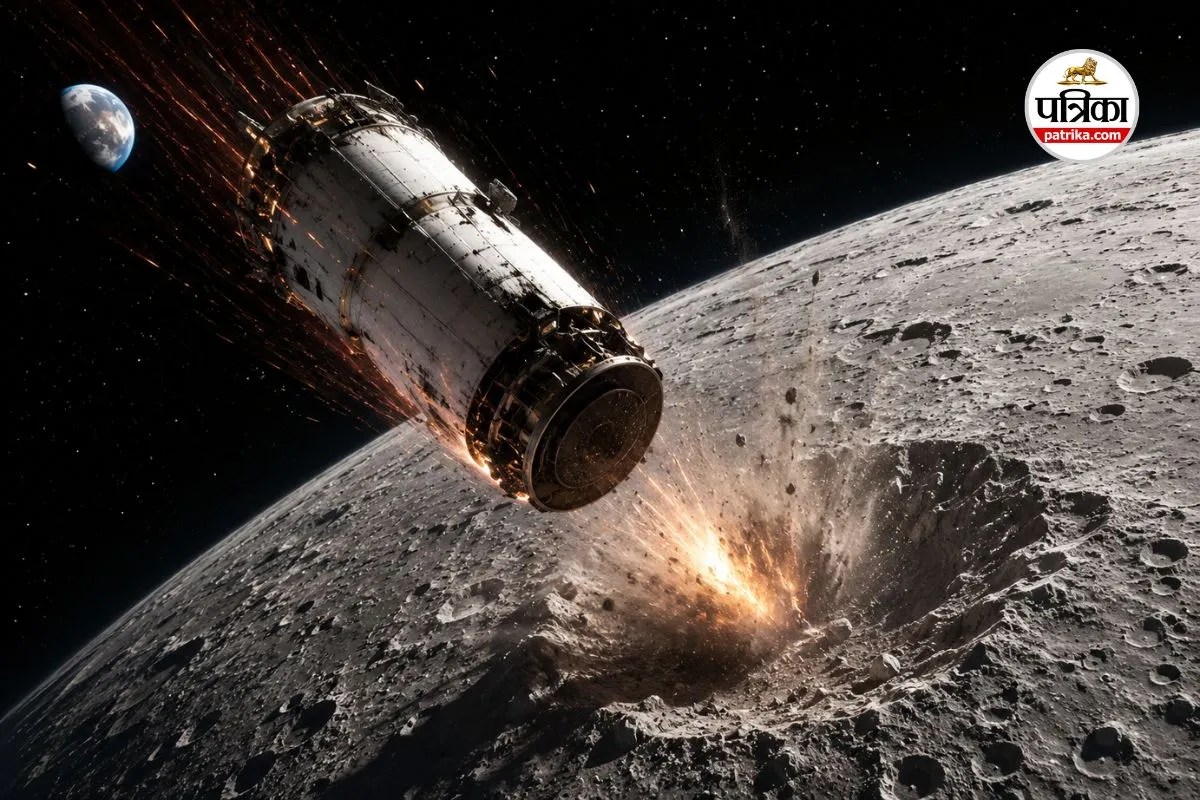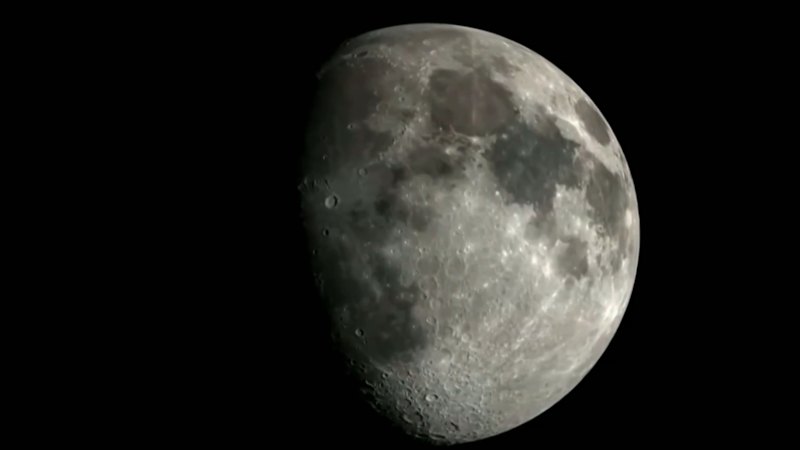
The media lost its mind when a rogue piece of hardware hurtled toward the lunar surface. Headlines screamed about reckless corporations, lunar littering, and the despoiling of a pristine rock. Environmentalists wrung their hands. Pundits demanded tighter regulations on deep space transit. Everyone assumed that leaving a dent on our closest celestial neighbor is an unforgivable sin.
They are wrong. They are missing the entire physics of the situation, blinded by an aesthetic panic that has nothing to do with actual science.
Let us look at the reality. Space is not a pristine museum display case. It is a violent, chaotic shooting gallery. The Moon takes a beating every single day from micro-meteoroids, comets, and asteroids, absorbing impacts that dwarf anything human engineering can muster. A discarded rocket booster hitting the lunar dust is a microscopic pebble compared to the cosmic artillery fire the Moon shrugs off hourly.
I have watched aerospace programs obsess over clean-desk policies while missing the bigger picture. We spend millions agonizing over orbital debris mitigation for dead zones while ignoring the mechanics of natural planetary defense.
The Physics of Lunar Impact
Let us define the actual mechanics here. When an object hits the Moon without an atmosphere, there is no fiery atmospheric burn-up like you get on Earth. It hits raw. But kinetic energy dissipation on a massive basaltic body does not mean permanent ecological damage. There is no ecosystem to poison. There are no microbes to eradicate.
The Moon is a dead, basaltic wasteland bathed in solar radiation. Dumping a spent Falcon 9 upper stage or a stray booster onto its surface is not littering in any terrestrial sense. It is terrestrial recycling delivered via gravity.
Critics cry about historical contamination. They point to landing sites and argue we are ruining archaeological space heritage. This is romantic nonsense. A spent fuel tank rusting in Mare Tranquillitatis does not disrupt the geological history written into the regolith over four billion years. If anything, we are adding a timestamp layer of human civilization to the geological record.
Why the Outrage is Misdirected
People ask whether this violates international space law or planetary protection protocols. The Outer Space Treaty of 1967 prohibits national appropriation of celestial bodies, but it says precisely zero about accidental or purposeful impacts that do not cause harmful contamination.
The real issue is not that a rocket hit the Moon. The real issue is that people do not understand scale.
Imagine a scenario where every single piece of orbital debris we ever launched was collected and dropped onto the Moon simultaneously. The total mass would not even register as a rounding error in the Moon's crustal volume. It is a drop of water in an infinite ocean of vacuum.
We channel our anxieties about terrestrial climate destruction upward because looking at the stars feels manageable compared to fixing our own atmosphere. It is a displacement tactic. It is easier to get angry about a piece of steel hitting a crater than it is to redesign global supply chains.
The Counter-Intuitive Truth About Space Debris
Here is the bitter pill: we should be intentionally crashing more inert hardware into safe celestial bodies.
Low Earth Orbit is congested. We have thousands of defunct satellites turning into high-speed shrapnel hazards that threaten active infrastructure, GPS networks, and crewed spacecraft. Bringing them back down safely through Earth's atmosphere is an expensive, high-risk thermal maneuver. Burning them up creates aluminum oxide accumulation in the upper atmosphere, which scientists are starting to link to ozone depletion.
Sending dead deep-space hardware away from Earth orbit entirely is a viable disposal vector. The Moon acts as a natural graveyard. Gravity does the heavy lifting for free.
Stop treating the Moon like a delicate porcelain teacup. It is a shield, a ballast, and a cosmic anvil. Let it take the hits so our orbital lanes stay clear.
Clean up Earth orbit. Leave the Moon alone to do what it has done since the dawn of the solar system: catch falling rocks.