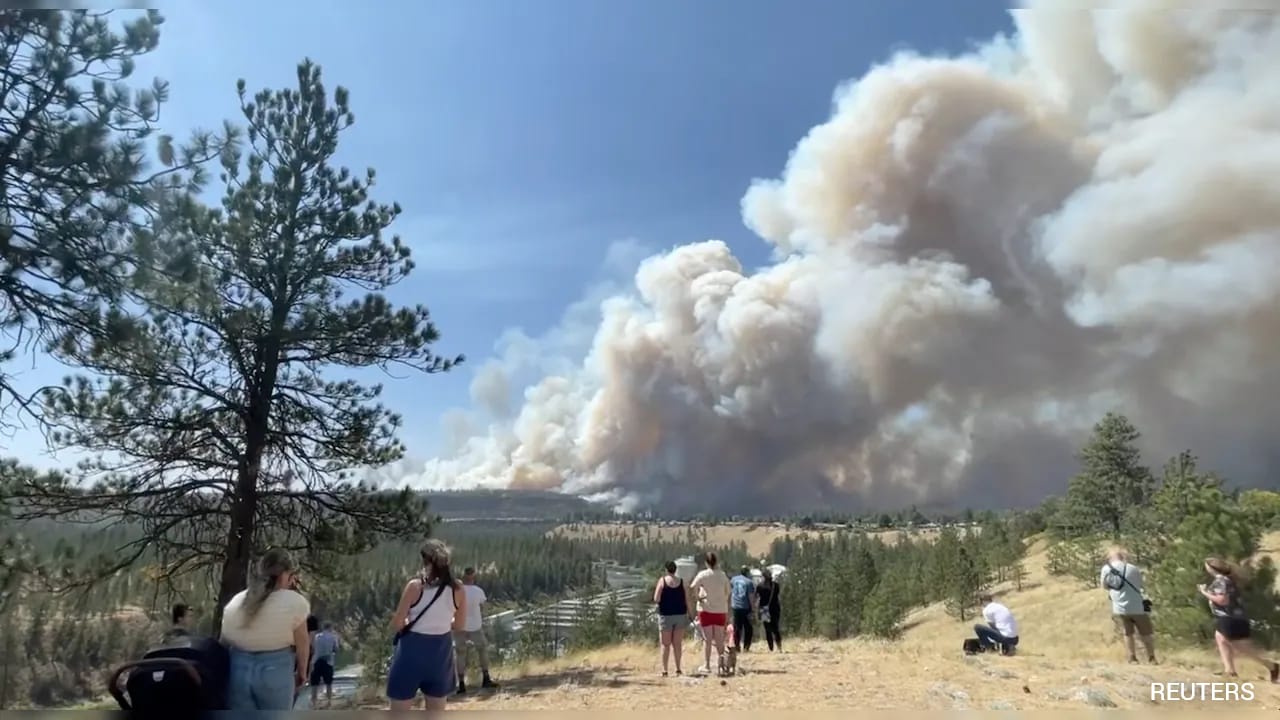
Another summer, another quarter-million acres of Washington State timber up in smoke, and another parade of hand-wringing pundits screaming about climate anomalies and emergency response failures. The standard narrative treats every wildfire as an unmitigated tragedy, a systemic breakdown, and an urgent mandate to pack up the station wagon and flee.
That narrative is dangerously wrong.
Every time we treat a wildfire as an apocalyptic emergency rather than an overdue ecological correction, we guarantee bigger, hotter, more catastrophic fires down the road. We are managing our forests into a corner, trading short-term panic for long-term ecological devastation.
The Fallacy Of Total Suppression
The lazy consensus in modern crisis reporting is simple: smoke equals damage, and evacuation equals safety. If a fire starts, throw everything at it. Put it out. Protect every square inch of timber at all costs.
I have spent decades watching agencies throw billions of dollars at total suppression, treating every spark like a localized nuclear threat. It feels noble. It looks good on the evening news. But ecologically, it is a masterclass in mismanagement.
Forests are not static museum exhibits. They are dynamic, fire-dependent systems. For millennia, low-intensity fires swept through the Pacific Northwest every few years, clearing out underbrush, thinning dense saplings, and returning vital nutrients to the soil. These frequent, cool fires acted as a natural reset button.
When we step in with bulldozers, retardant drops, and absolute suppression policies, we break that cycle. We stop the small fires, which means we spend decades quietly packing the forest floor with fuel. We create dense, overcrowded timber stands where trees choke each other out for water and sunlight.
Imagine a scenario where you never take out the trash in your kitchen. You just keep piling more bags into the corner, packing them down tight, convincing yourself that everything is clean because nothing is technically on fire yet. Eventually, a single stray spark turns that kitchen into a blast furnace. That is our current wildfire strategy. A quarter-million acres burning in Washington State is not a random act of god. It is the inevitable interest payment on a century of debt accumulated by fire suppression.
Why Evacuations Treat The Symptom And Ignore The Disease
The standard playbook for these events focuses entirely on human logistics: close the highways, empty the towns, and wait for the weather to change.
Evacuation is often necessary for immediate human preservation, but treating it as the primary solution to a fire crisis is cowardly evasion. We are spending vast public resources evacuating communities while refusing to confront the structural reason those communities are sitting in the crosshairs of extreme fire behavior in the first place.
We built homes directly into overgrown, fire-suppressed wildland-urban interfaces without requiring adequate defensible space, structural hardening, or community-level fuel breaks. Then, when nature inevitably comes to collect, we act surprised. We act as though the fire invaded our space, rather than recognizing that we built our homes inside its living room.
True safety does not come from running away faster or putting more water on a crown fire that is already throwing embers a mile ahead of its front. True safety comes from aggressive, systemic mechanical thinning and controlled burning when the weather cooperates.
The Economics Of Managed Neglect
Let us talk about the real numbers. Federal and state agencies burn through billions of dollars annually on emergency fire suppression, treating suppression as an infinite budget item. Meanwhile, preventative prescribed burning is chronically underfunded, bogged down by risk-averse bureaucracy, air quality regulations, and public squeamishness about smoke.
This is upside-down economics. Every dollar spent on proactive thinning and low-intensity prescribed fire saves roughly seven to ten dollars in emergency suppression costs, property damage, and watershed rehabilitation later. Yet, decision-makers are terrified of the political fallout of a prescribed burn escaping its lines, so they choose the path of least resistance: do nothing, let the fuel load compound, and wait for a massive natural ignition to turn half a county into ash.
We are paying a massive premium for our collective squeamishness. We accept the catastrophic loss of 250,000 acres in a single sweep because it happens all at once, while actively blocking the smaller, controlled burns that would have kept those ecosystems resilient.
The Uncomfortable Truth About Smoke
The knee-jerk panic over smoke exacerbates the cycle. Yes, wildfire smoke is unpleasant. It disrupts outdoor activities, triggers respiratory sensitivities, and looks apocalyptic on local news broadcasts.
However, accepting short-term smoke exposure from managed, low-intensity burns is the price of admission for living near fire-adapted forests. When we treat every plume of smoke as a public health emergency that must be stamped out immediately, we ensure that the inevitable wildfire will burn with such ferocious intensity that the resulting smoke will choke entire states for weeks, rather than days.
We are not eliminating smoke; we are merely deferring it, compounding it, and unleashing it all at once during the worst possible weather conditions.
What Real Forest Management Looks Like
Fixing this mess requires abandoning sentimental conservation models that view nature as something that needs to be bubble-wrapped.
First, we must decouple forest management from short-term political cycles. Land management agencies need legal shields that encourage aggressive prescribed burning and mechanical thinning without exposing them to career-ending liability every time a controlled flame jumps a line.
Second, zoning laws in fire-prone regions need teeth. If you build a home in the middle of a dense timber stand, you should be legally required to maintain defensible perimeters, use non-flammable roofing materials, and accept that the state will not bankrupt taxpayers to save poorly planned developments from their own geography.
Third, we need to reframe our emotional relationship with fire. A forest on fire is not always dying; often, it is surviving.
Until we stop treating every acre of burning timber as a systemic failure and start treating it as a natural process we foolishly interrupted, Washington State will continue to watch its landscape burn from the inside out, season after miserable season.
Stop running. Start clearing. Let the fire do its job before it decides to do it for us.