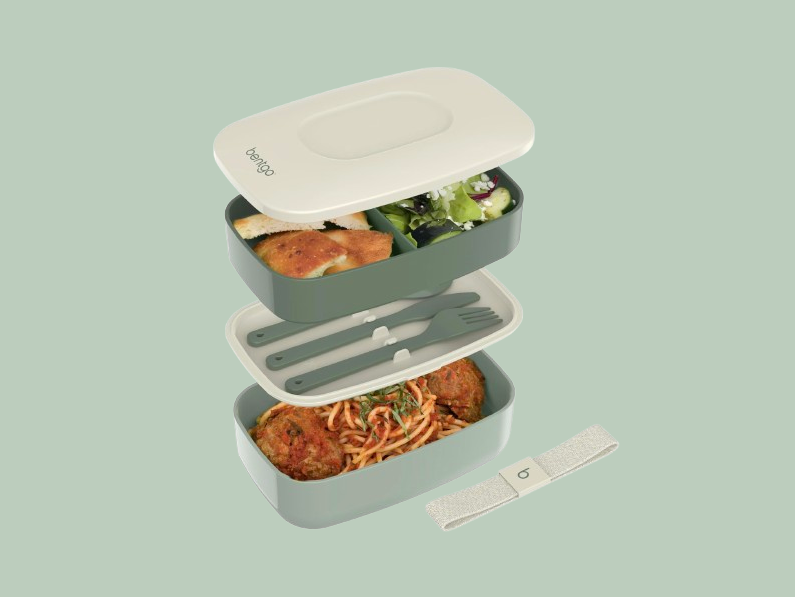
Soggy sandwich paper is the absolute worst. You spend twenty minutes slicing vegetables, packing leftovers, and crafting a decent midday meal, only to pull it out of your backpack and find dressing pooled at the bottom. It ruins your food, ruins your day, and usually ruins your bag.
Most people buy lunchboxes based entirely on how they look on a shelf. They grab a cute container, toss it in a tote, and hope for the best. That approach fails constantly. If you want a setup that genuinely holds soup, yogurt, and heavy dressings without soaking your laptop, you have to look past the aesthetics and focus heavily on mechanical sealing, latch quality, and silicone gaskets. Also making news in related news: Why Stackable Storage Bins Are Saving Every Small Space Right Now.
I’ve tested dozens of containers over the years, watching seals warp in dishwashers and latches snap after two weeks of commuting. You don't need marketing fluff. You need gear that works.
Why Cheap Containers Always Fail
The market is flooded with plastic tubs that promise airtight performance. They cost five bucks. They have four flimsy plastic tabs clicking into place. They lie. More insights regarding the matter are detailed by Vogue.
Plastic warps. It happens in the microwave, and it happens in the top rack of the dishwasher. The moment a plastic lid warps by even half a millimeter, the airtight seal breaks. Liquids find that microscopic gap instantly.
Another major issue is pressure. When you pack warm food and snap the lid shut, steam builds up inside. As the air cools, it creates a vacuum that pulls moisture into weird places or pops the lid loose during transit. Cheap containers lack pressure release valves. They also use cheap, porous plastics that absorb tomato sauce odors and turn a weird shade of orange by month three.
If you are tired of throwing away stained containers every six months, you have to upgrade to materials that hold their shape. Stainless steel and high-grade borosilicate glass change the entire equation.
What Actually Makes a Leakproof Lunchbox Work
Three components determine whether a lunchbox stays dry or ruins your commute.
First is the gasket. A proper leakproof box uses a removable, thick silicone ring embedded in the lid. If the silicone is thin or glued into a permanent groove where mold can grow, skip it. You need a ring you can pop out, wash, and shove back in.
Second is the closure mechanism. Screw-top lids with heavy threading offer incredible security for liquids, but they are annoying to open when you are hungry at your desk. Four-sided snap latches with reinforced hinges provide a better balance of convenience and security, provided the plastic is thick enough to resist bending.
Third is weight versus durability. Glass containers won't stain or warp, but they add serious weight to your daily carry. Stainless steel is virtually indestructible and lightweight, but you cannot toss most metal boxes into the microwave.
The Best Leakproof Lunchboxes on the Market Right Now
Let's cut through the noise. Here are the containers that survive real-world commuting, drops on subway platforms, and aggressive dishwashing cycles.
The Heavy-Duty Glass Champion
Ello DuraGlass or similar borosilicate glass containers with silicone sleeves.
Glass remains the gold standard for office lunch warriors who want to microwave their food safely. The trick with glass is the sleeve. A silicone wrap protects the glass from chipping when you drop it on a tile floor. The snap-lock lids with silicone seals create a watertight barrier that handles watery curries and stews without a drop escaping.
The downside? They are heavy. If you walk two miles to work, your shoulders will feel the difference.
The Bulletproof Stainless Steel Option
PlanetBox or ECOlunchbox style multi-compartment trays.
If you hate plastic and want something that lasts a decade, stainless steel is your answer. While traditional metal bento boxes aren't fully leakproof between compartments, modern designs feature individual screw-top mini containers tucked inside for dressings and dips. They don't absorb odors, they don't stain, and you can throw them in the dishwasher a thousand times without degradation.
The Ultimate Leakproof Bento
Bentgo Glass or Monbento positive-seal systems.
If you love having separate compartments for crackers, fruit, and wet salads, standard bento boxes usually fail because liquid leaks from one section into the next. Monbento and similar airtight systems solve this by using internal silicone valves and pressure lids that seal each tier independently. They require a bit more effort to clean, but they keep your crackers crisp and your dressing where it belongs.
Common Mistakes That Ruin Good Lunchboxes
Even the best container will leak if you misuse it. People make simple errors every single day.
Putting boiling hot food straight into a sealed container creates a dangerous steam trap. Let your food cool down for at least ten minutes before snapping the lid shut. Not only does this protect your seals from warping, but it also stops the vacuum effect that makes lids impossible to open later.
Another mistake is stuffing your bag. If your lunchbox is jammed sideways between a heavy laptop and a hardback book, constant pressure can warp the lid enough to breach the seal. Give your lunch its own dedicated pocket or a proper lunch bag with rigid walls.
Never use abrasive scrub sponges on silicone gaskets. Tiny tears ruin the airtight barrier. Wash them gently with warm soapy water and let them air dry completely before reassembling your lids.
Choosing Your Next Setup
Stop buying multipacks of cheap plastic containers at the grocery store. They are designed to fail so you buy them again next year. Spend twenty to forty dollars on a single, high-quality container with a replaceable silicone seal and a solid warranty.
Match the container to your actual eating habits. If you eat cold salads and fruit, get a lightweight stainless steel or partitioned glass setup. If you survive on reheated leftovers and soups, invest in thick borosilicate glass with a locking lid.
Take care of your gear, wash the seals properly, and your bag will stay dry for years.