Blaming Geology Is an Executive Cop-Out
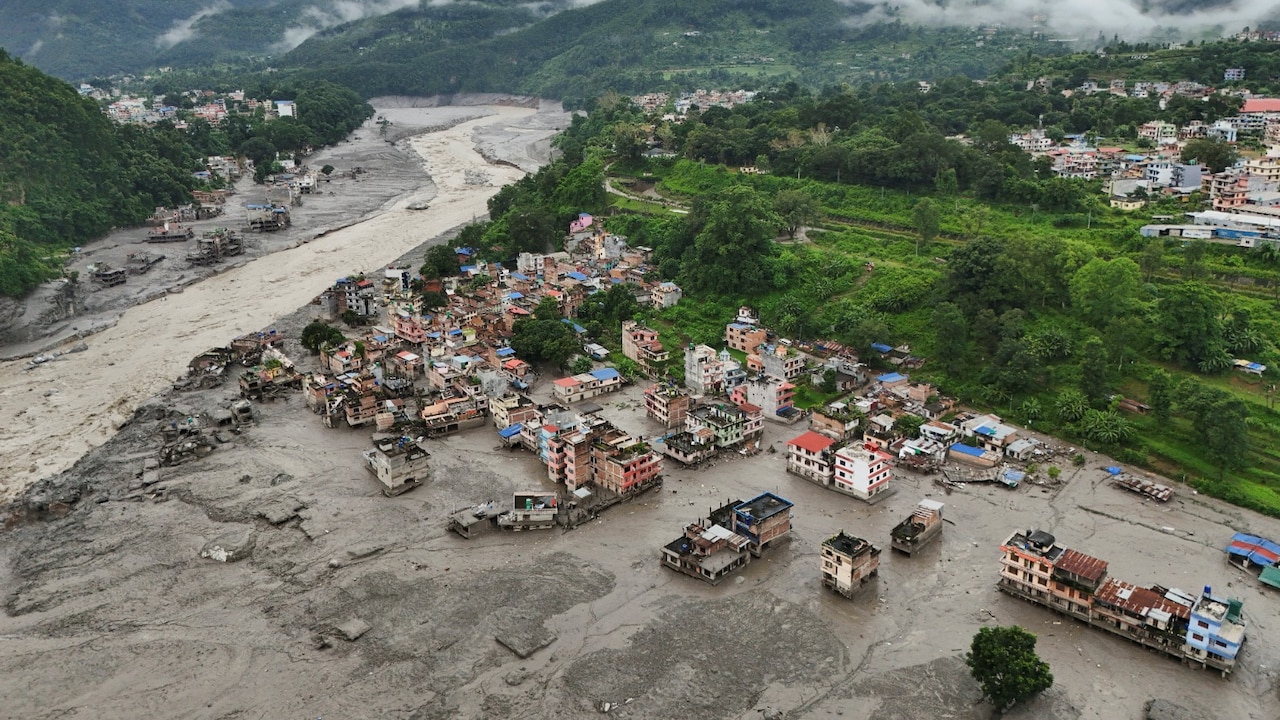
Nepal’s steep mountains did not destroy its infrastructure. Poor engineering, unchecked urban encroachment, and systemic policy failure did.
Every time monsoon rains trigger devastating flash floods and landslides across the Himalayan corridor, mainstream media outlets rush to publish the exact same narrative: Nepal’s dramatic verticality makes disaster inevitable. They show colorful 3D topo maps, interview hydrologists who state the obvious—water flows fast downhill—and wrap up their coverage by throwing their hands up at nature's terrifying power.
It is a comfortable lie. It lets local officials off the hook. It gives international aid agencies a perpetual funding pitch. Worst of all, it distracts from the actual root cause of the body count.
Topography is a static variable. The slopes of the Himalayas have existed for millions of years. What changed over the last three decades is not the gradient of the hillsides, but human stupidity on top of them.
The Physics of Slope Fallacy
Let us break down the hydrologic mechanics that standard news outlets constantly misinterpret.
Media reports treat steep terrain as an active hazard. In reality, steep topography is a natural drainage system. High gradients accelerate run-off, meaning water should clear urban basins rapidly if natural channels remain unobstructed.
The crisis occurs when human intervention bottlenecked these systems.
1. The Paved Riverbed Crisis
In the Kathmandu Valley, streams like the Bagmati, Hanumante, and Bishnumati were historically surrounded by wide floodplains. Over the past 20 years, illegal land plotting filled these corridors with concrete. When torrential rains hit, water follows the path of least resistance. It cannot soak into the ground because the ground no longer exists.
2. Unengineered "Dozer Roads"
In rural districts, local governments spend massive budgets hiring excavators to carve unengineered dirt tracks up sheer hillsides. These cuts destroy the root networks of vegetation, disrupt natural aquifers, and deposit tons of loose aggregate directly into stream beds. When rain hits, these roads act as artificial channels, pooling water until entire mountain faces shear off.
Conventional Wisdom:
Himalayan Gradient + Heavy Rain = Inevitable Destruction

The Reality:
(Deforestation + Unengineered Excavation + Floodplain Encroachment) x Rain = Man-Made Disaster
Calling this a "natural disaster" is factual misdirection. The rain is natural. The steepness is natural. The failure to respect basic geotechnical limits is entirely man-made.
The Hydropower Blindspot
I have sat in boardrooms with infrastructure investors who look at Nepal's roaring rivers and see only gigawatts. They build run-of-the-river hydroelectric dams without factoring in the massive sediment load carried by steep-gradient rivers during monsoons.
When heavy rainfall strikes, dam operators face a brutal choice:
- Open the floodgates to prevent structural failure, inundating downstream communities overnight.
- Hold the water back, risk a dam breach, and threaten millions.
In 2024, multiple hydropower projects along the Trishuli and Rosi rivers sustained catastrophic damage. Analysts pointed to the rain volumes. They ignored the fact that these structures were built directly in known debris-flow paths, anchored into unstable slate rather than bedrock, with zero upstream catchment management.
Building high-density concrete infrastructure in an active seismic and steep hydrologic zone without rigorous geotechnical oversight is not ambitious engineering. It is criminal negligence.
Dismantling the Standard Questions
Whenever this conversation comes up, policymakers fall back on predictable questions designed to protect the status quo.
"Can a developing nation really afford advanced flood defenses on mountains?"
This question assumes that flood defense requires billion-dollar seawalls or mega-tunnels. It does not. The cheapest defense is spatial planning: enforcing strict building setbacks along river corridors and outlawing unengineered road cutting. It costs almost nothing to pass and enforce land-use zoning. Nepal spends far more repairing destroyed bridges every three years than it would cost to enforce building codes today.
"Isn't climate change making rainfall too unpredictable to engineer for?"
Climate change accelerates extreme weather events, but using it as an umbrella excuse for structural failure is intellectual laziness. If an event is predictable enough to happen every three to five years, it is an engineering design constraint, not an act of God. Constructing a bridge with culverts designed for a 10-year flood cycle in a region prone to 100-year cloudbursts is an engineering failure, regardless of global temperature trends.
Stop Funding the Disaster Cycle
International aid organizations have spent decades throwing money at post-disaster rehabilitation in South Asia while ignoring the regulatory rot that enables the damage.
If you want to stop the washing away of Himalayan settlements, the strategy must change immediately:
- Moratorium on Unengineered Rural Roads: Freeze local government funding for road construction unless designed and signed off by certified geotechnical engineers.
- Reclaim the Floodplains: Demolish illegal structures built within historical river margins. Water will take its space back; we can choose to vacate it gracefully or be washed out.
- Rethink Micro-Hydropower: Enforce strict sediment transport models and mandate real-time downstream warning networks before issuing generation licenses.
Topography is not the enemy. Gravity is not a surprise. Until we stop treating geography as a scapegoat for political inaction, the exact same headlines will print every single September.
Stop blaming the mountains. Start holding the builders accountable.